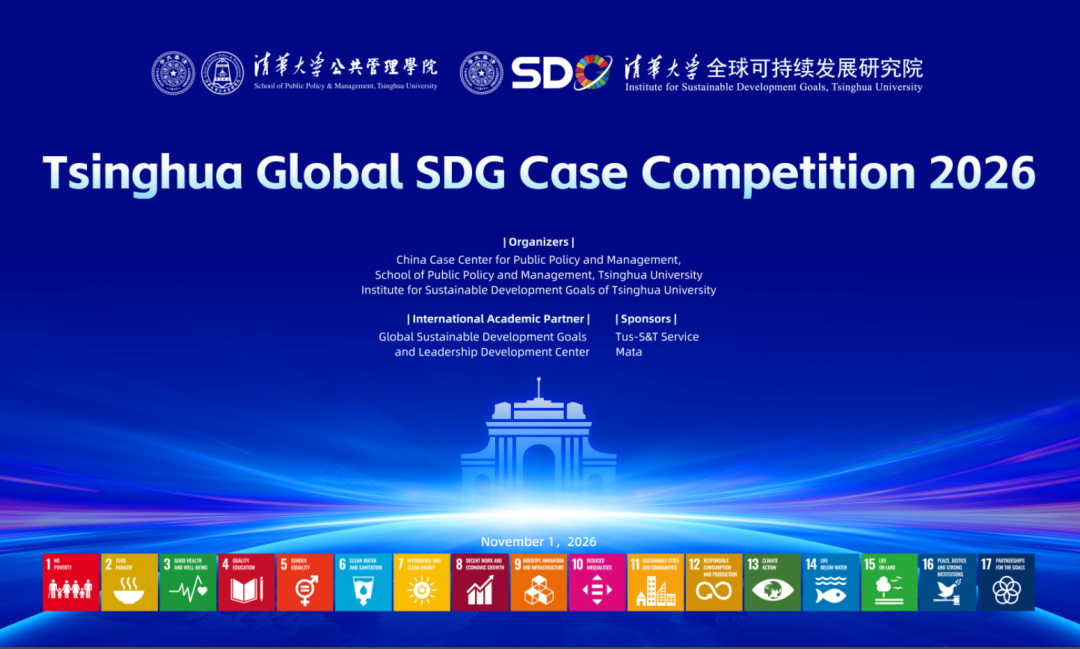
On November 1, 2026, the final round of the Tsinghua Global SDG Case Competition 2026 was held at the School of Public Policy and Management (SPPM), Tsinghua University. Conducted in a hybrid format combining online and in-person participation, the finals brought together 24 shortlisted teams from around the world to present their case studies and respond to questions from the judging panels. An additional 30 teams were invited to participate in a poster exhibition, providing a platform for participants to exchange ideas on real-world challenges and policy practices related to global sustainable development.
The competition was jointly organized by the China Case Center for Public Policy and Management (CCCPPM) of Tsinghua SPPM and the Institute for Sustainable Development Goals of Tsinghua University (Tsinghua SDG Institute), with the Global Sustainable Development Goals and Leadership Development Center (GSLDC) serving as the international academic partner. The event was supported by Tus-S&T Service and Mata (Xiamen) Eco Co., Ltd.
Open to undergraduate, master's, and doctoral students from universities worldwide, the competition aimed to encourage young scholars from diverse national, institutional, and disciplinary backgrounds to conduct public policy case studies centered on the 17 United Nations Sustainable Development Goals (SDGs). It also sought to promote case-based teaching and international academic exchange while strengthening students' abilities to analyze and address real-world public policy challenges.
Since its launch in June 2026, the competition had attracted 325 teams from 251 universities across 45 countries and regions, including China, Vietnam, the United Kingdom, France, Ethiopia, Australia, and the United States.
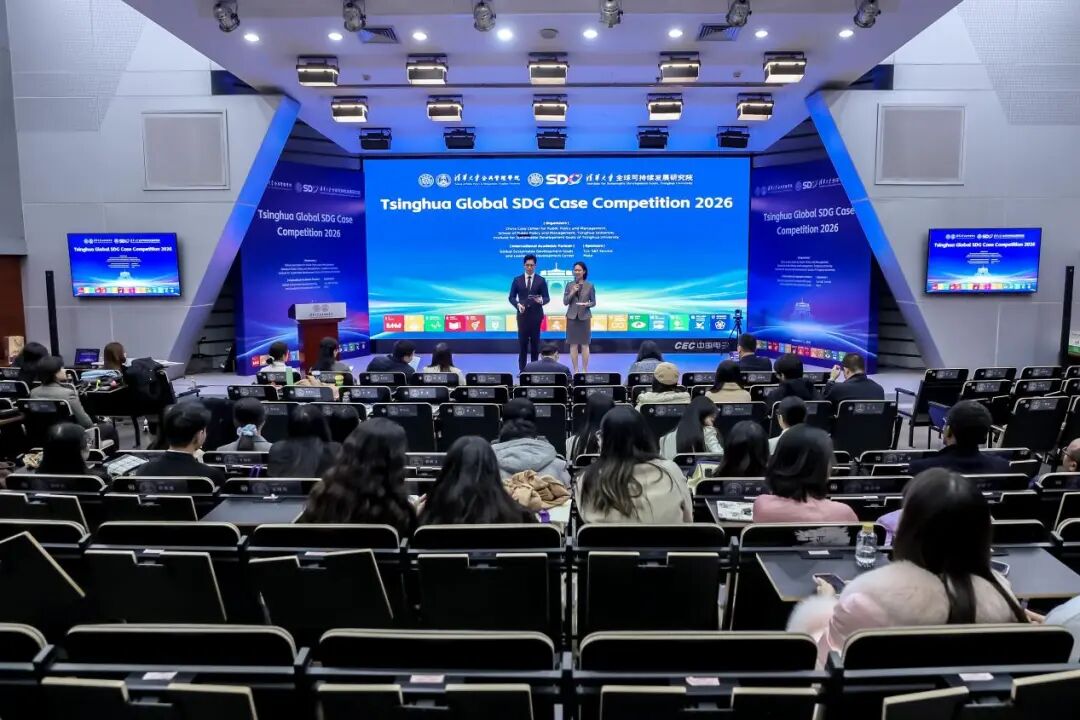
The Final Round of the Competition
At the opening ceremony, Mu Ling, Assistant Dean of Tsinghua SPPM and Director of the China Case Center for Public Policy and Management, delivered welcoming remarks.
Reflecting on the School's nine consecutive years of organizing the competition since 2018, she noted that this year's event had attracted participants from a wider range of countries and universities and featured a greater diversity of case topics. The competition provided a valuable platform for young students from different backgrounds to exchange ideas, share experiences, and learn from one another.
Mu encouraged participants to engage actively with global sustainable development issues and explore solutions through rigorous analysis, open-minded perspectives, and innovative thinking. She also encouraged them to broaden their horizons, strengthen their capabilities, and develop a deeper sense of social responsibility and commitment to the public good through mutual learning and exchange.
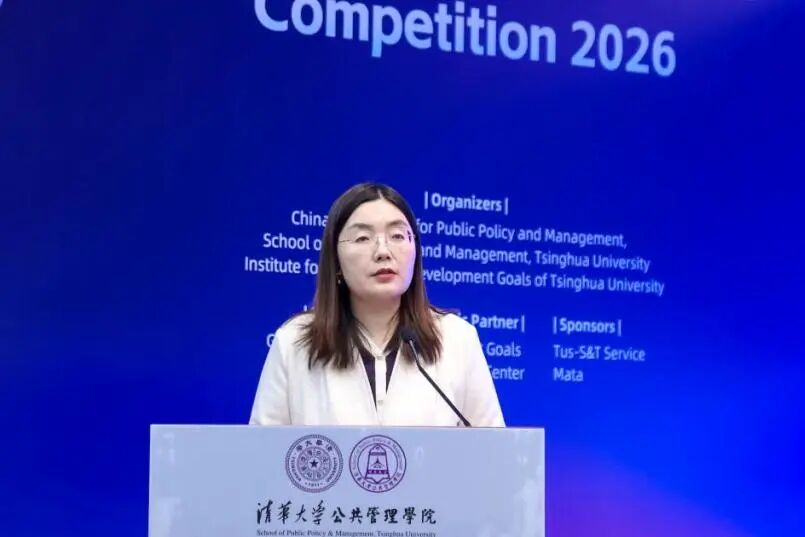
Welcoming Remarks by Mu Ling
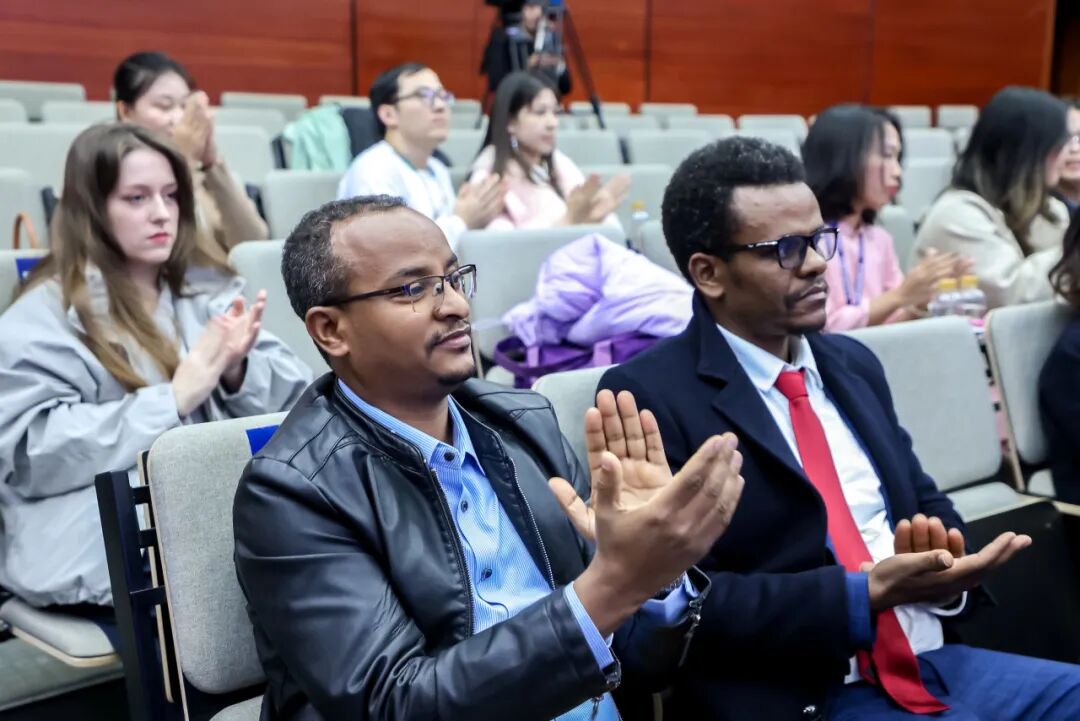
The final round was divided into morning and afternoon sessions, during which the 24 shortlisted teams presented their case studies.
The morning judging panel consisted of Associate Professor Yin Chengzhi, Deputy Secretary of the CPC Committee of Tsinghua SPPM; Associate Professor Chen Jidong of Tsinghua SPPM; Associate Professor Chen Tianhao of Tsinghua SPPM; and Huang Zhong, Academic Director and Executive Director of the Global Sustainable Development Goals and Leadership Development Center.
The afternoon judging panel comprised Professor Li Yingbo of Tsinghua SPPM; Associate Professor Chen Jidong of Tsinghua SPPM; Associate Professor Wei Wenchi of Tsinghua SPPM; and Meng Bo, Director of the Office of Special Initiatives for International Cooperation at Tsinghua University.
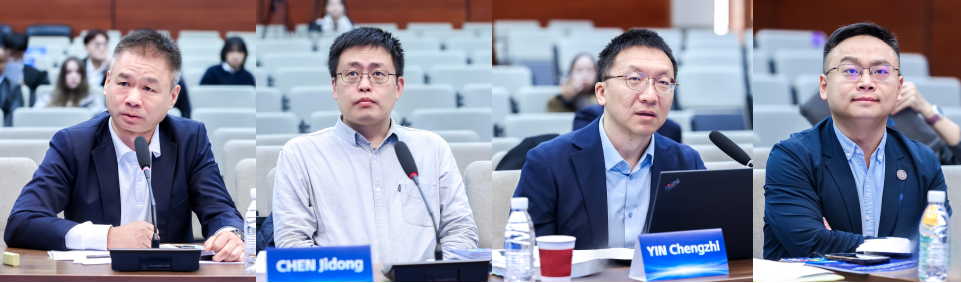
Morning Judging Panel: Huang Zhong, Chen Jidong, Yin Chengzhi, and Chen Tianhao (from left to right)
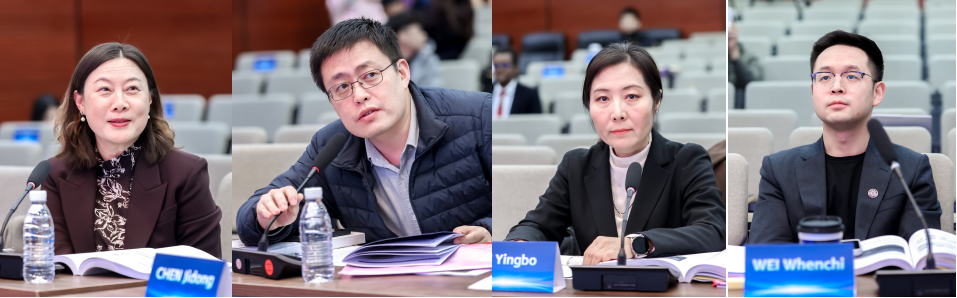
Afternoon Judging Panel: Meng Bo, Chen Jidong, Li Yingbo, and Wei Wenchi (from left to right)
The participating teams presented case studies addressing a broad range of issues, including water security and governance, green industrial transformation and low-carbon development, urban renewal and cultural heritage preservation, sustainable agriculture and livelihood security, education governance, health and privacy protection, artificial intelligence, and disaster early warning.
Drawing on the social development contexts and public governance practices of different countries and regions, the teams presented their research findings and engaged in discussions with the judges during the question-and-answer sessions.
The diverse perspectives brought by participants from around the world highlighted the complexity of sustainable development challenges. The presentations and discussions also facilitated exchanges on policy innovation and practical approaches to addressing these challenges.
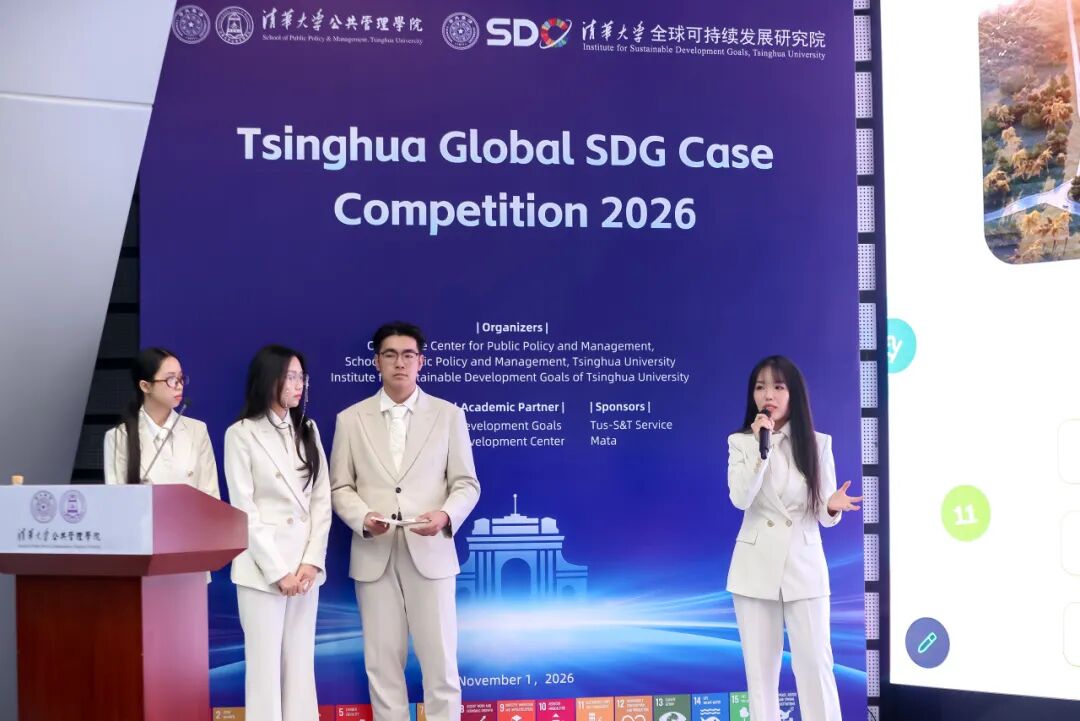
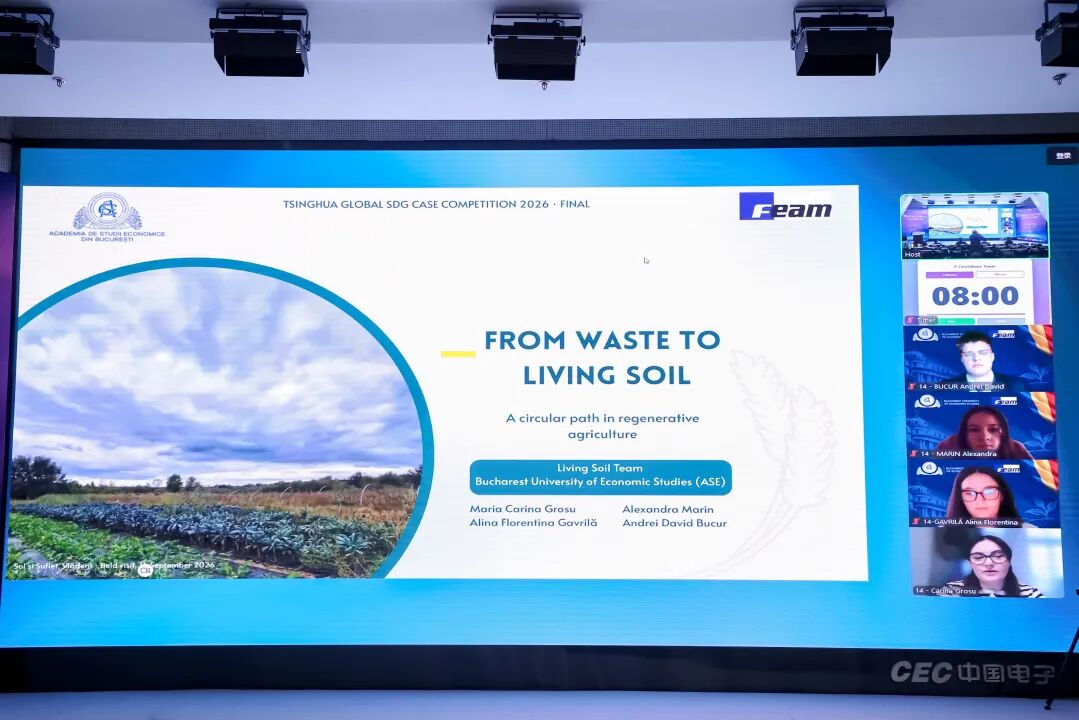
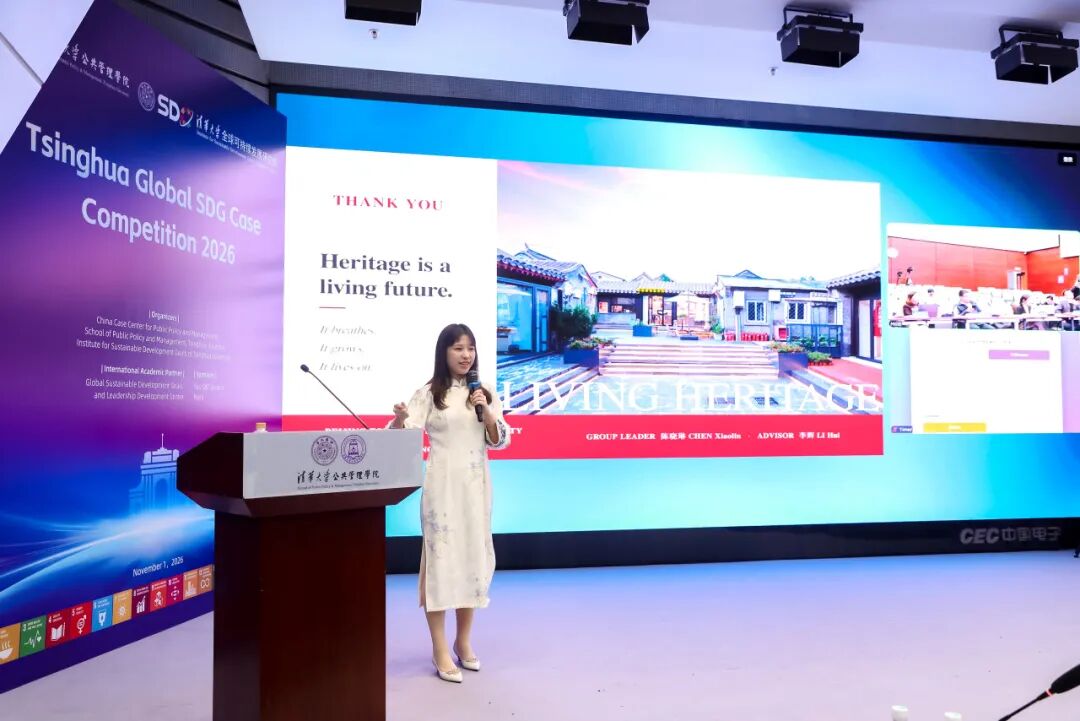
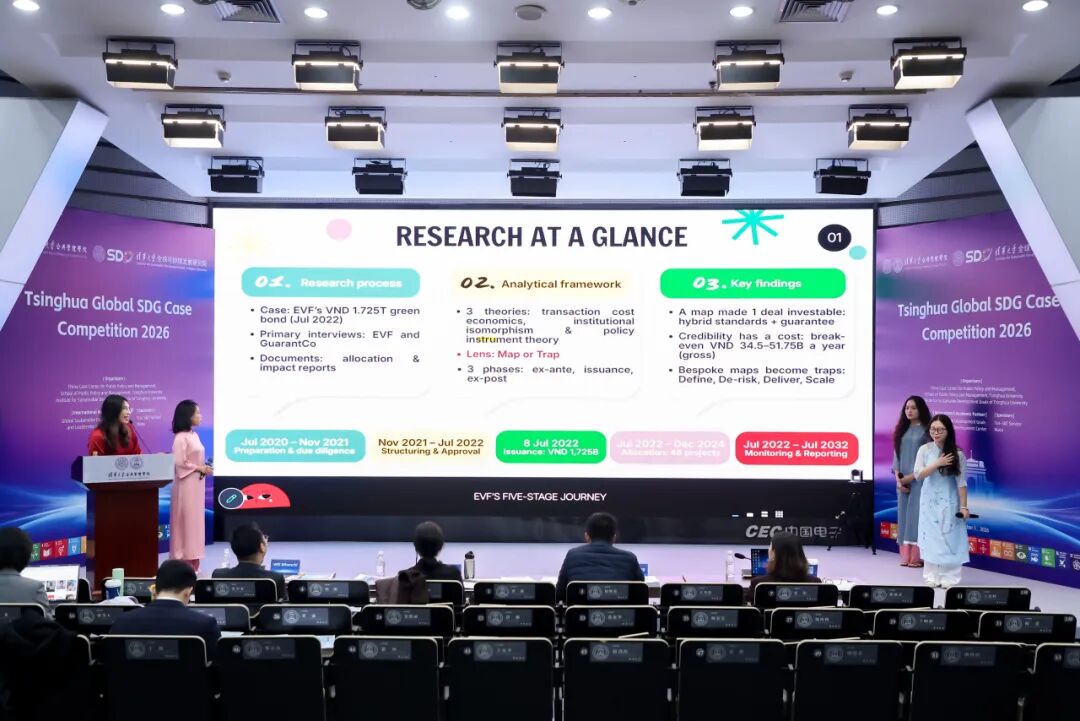
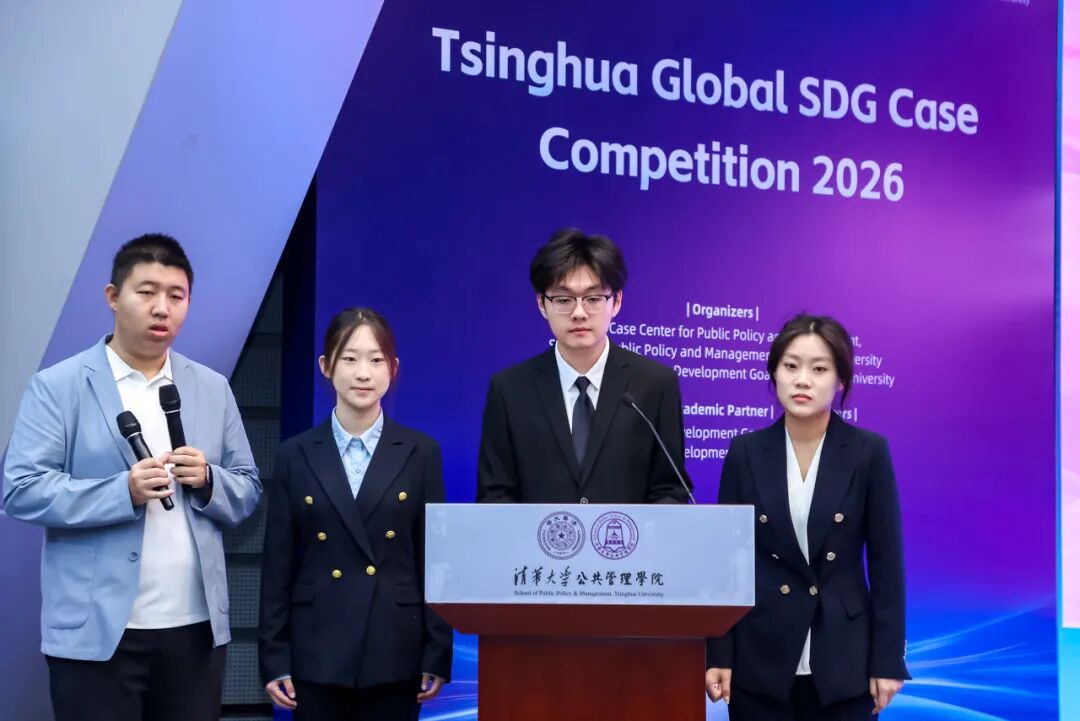
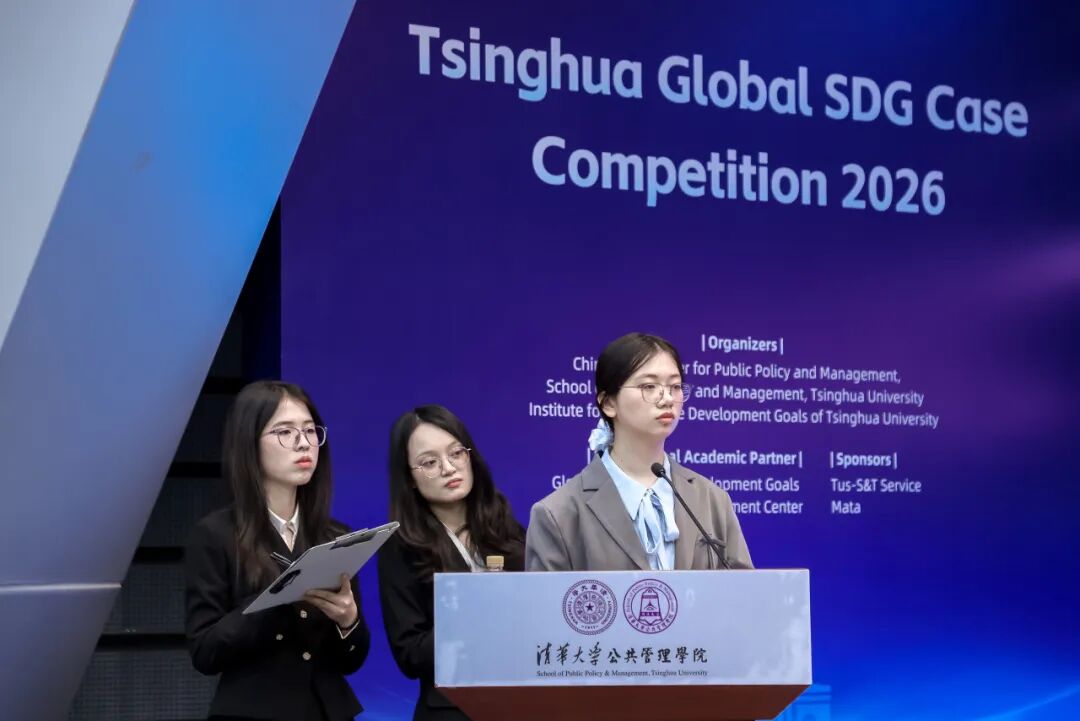
Presentations by Finalist Teams
The poster exhibition covered a wide range of public policy issues related to the SDGs, including elderly care and social security, educational equity and youth employment, green transportation and energy transition, climate adaptation and ecological conservation, urban governance and housing equity, cultural heritage preservation, inclusive finance and economic resilience, public health, food security, and cross-border governance.
The exhibition provided students from different countries and regions with opportunities to exchange research insights and share practical experiences, further enriching the academic exchange activities of the competition.
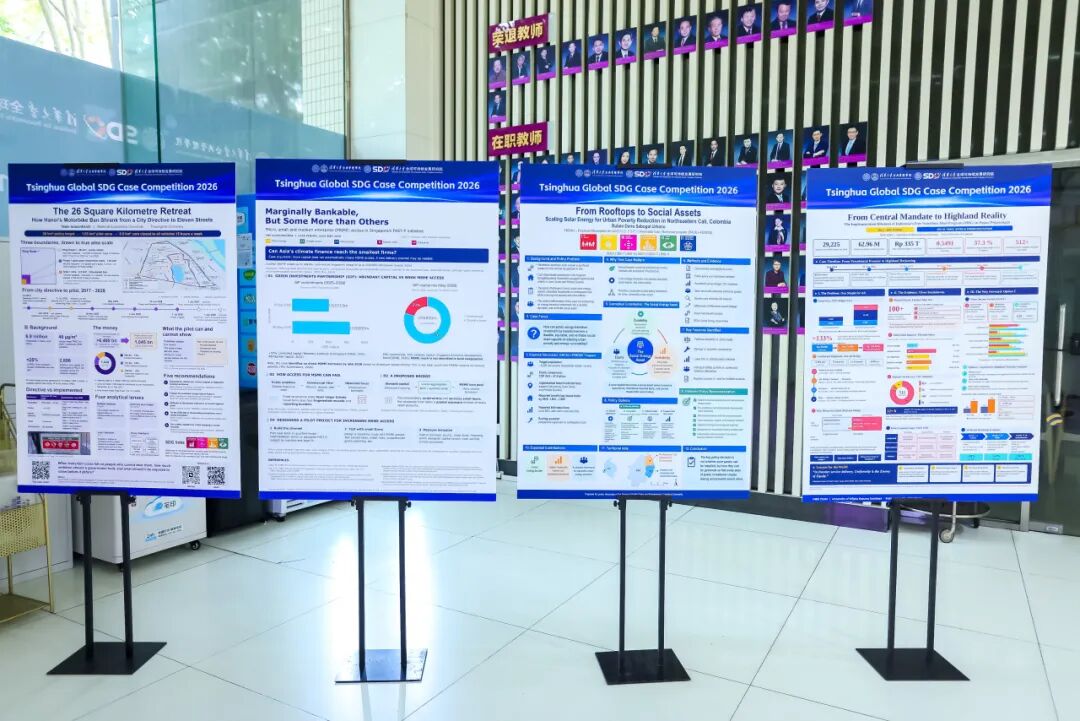
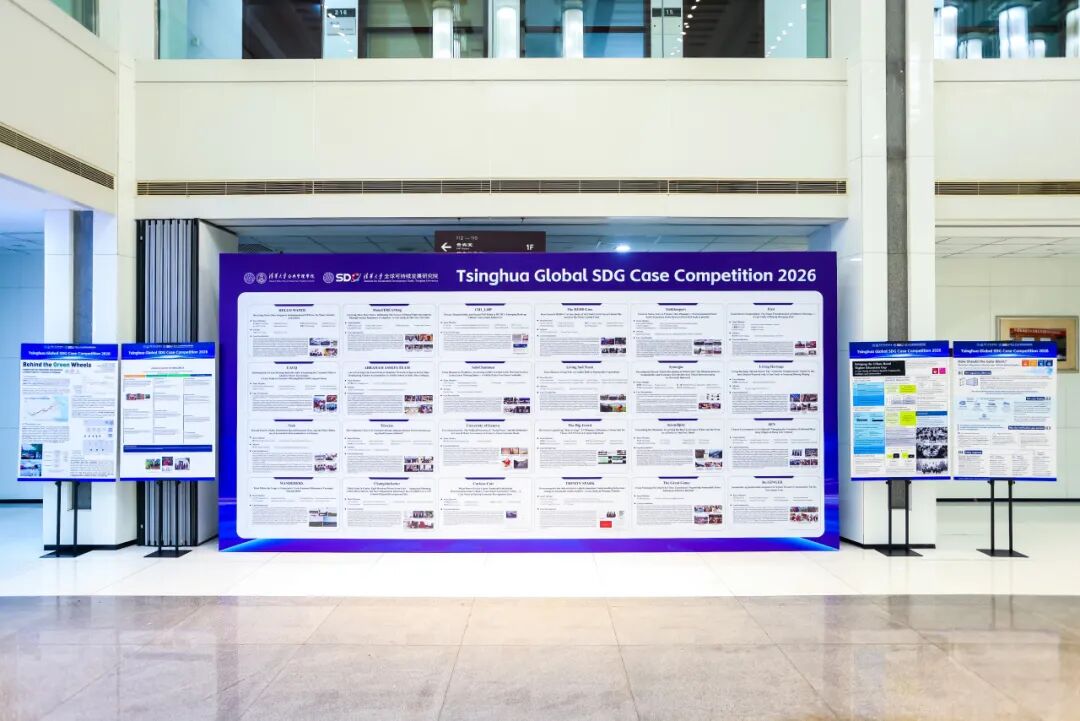
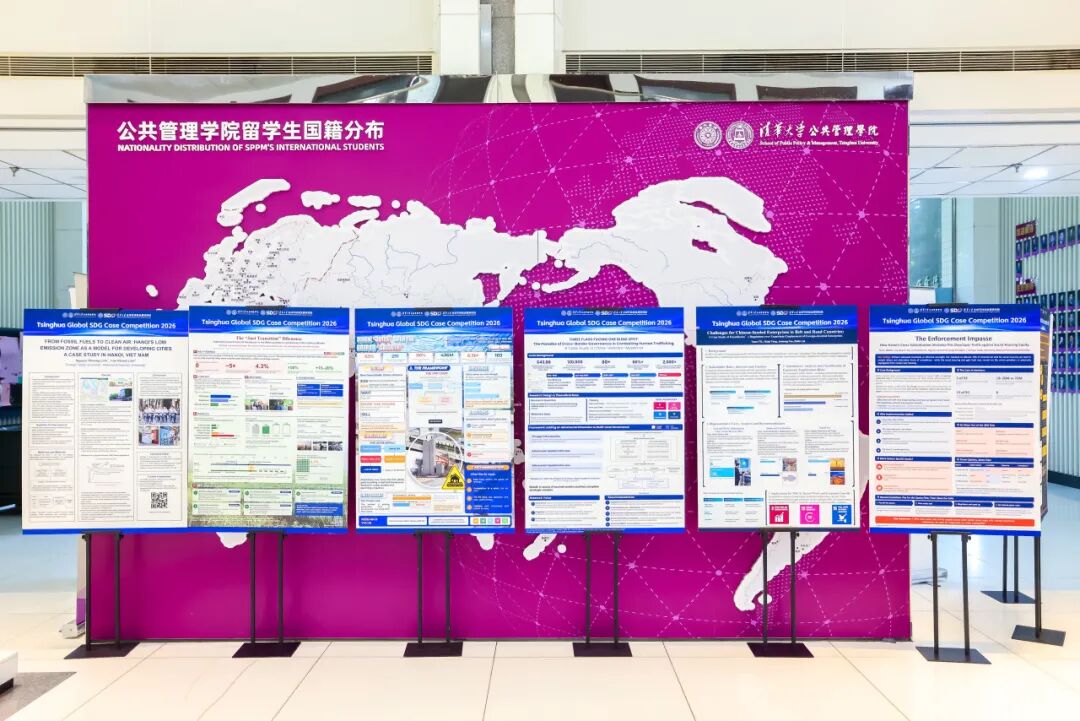
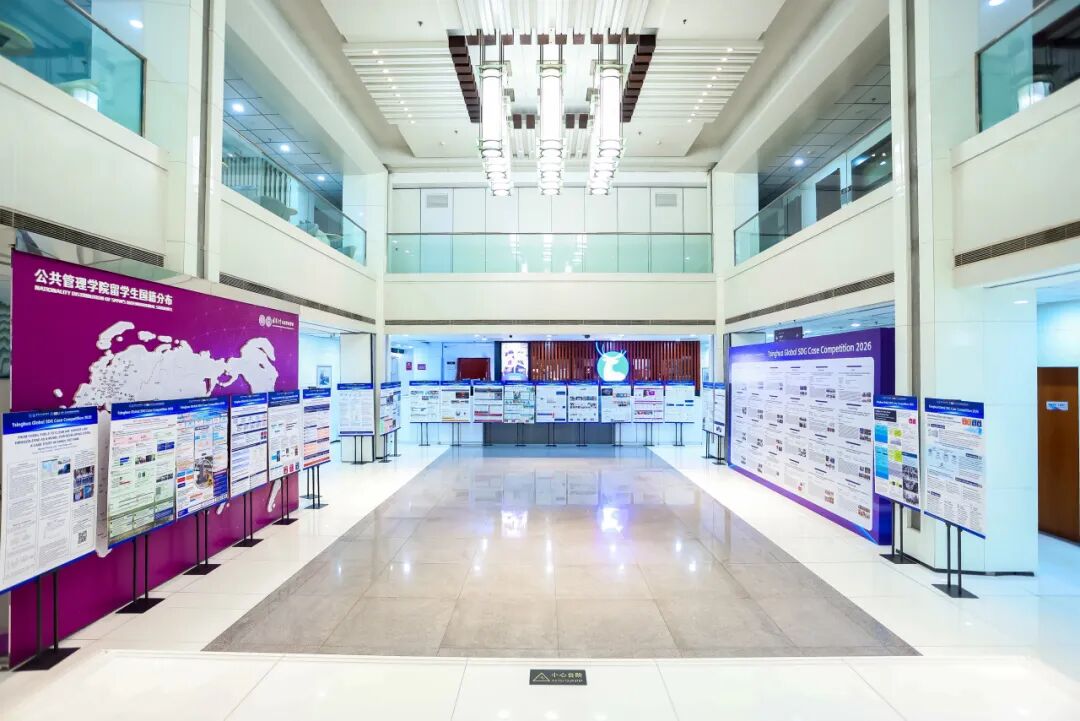
Poster Exhibition
Following the presentations and question-and-answer sessions by all 24 finalist teams, four judges—Li Yingbo, Chen Jidong, Wei Wenchi, and Meng Bo—offered their overall assessments of the teams' performances.
The judges commended the diversity of case topics, the rigor of the research, and the innovative thinking and sense of social responsibility demonstrated by the participants. They noted that case studies from different countries and regions provided valuable opportunities to deepen international understanding and promote mutual learning.The judges encouraged participants to further refine their core research questions, deepen their theoretical analysis, improve their research methodologies, and enhance both the clarity of their presentations and the practical relevance of their policy recommendations.They also encouraged young scholars to remain committed to the public interest, sustain their enthusiasm and curiosity for sustainable development, broaden their global perspectives through international exchange, and use their research to respond to real-world challenges.
The award ceremony was held in the evening. Distinguished guests attending the ceremony included Gao Ling, Executive Director of the Global Sustainable Development Goals and Leadership Development Center; Wang Yongming, Chairman of Mata (Xiamen) Eco Co., Ltd.; Chen Yaru, Director of International Business at Mata; Professor Zhu Xufeng, Dean of Tsinghua SPPM and Executive Director of the Tsinghua SDG Institute; Mu Ling, Assistant Dean of Tsinghua SPPM and Director of the China Case Center for Public Policy and Management; Zhang Yun, Deputy Director of the China Case Center for Public Policy and Management; and Xie Mengyu, Head of English-Language Cases at the Center.
Professor Zhu Xufeng delivered remarks at the ceremony. He began by expressing his gratitude to the competition organizers, international academic partner, and supporting organizations, and extended his congratulations to the finalist teams. Zhu pointed out that progress toward the global Sustainable Development Goals continues to face serious challenges, with only four years remaining until the 2030 deadline. He emphasized that the enthusiasm, vitality, and innovative thinking of young people are essential forces in advancing global sustainable development.
He noted that the competition was designed to provide young students with a platform to confront global challenges and explore policy solutions. The significant increase in international participation compared with the previous year also reflected Tsinghua SPPM's commitment to serving national development through talent cultivation.
Zhu encouraged participants not only to strive for success in the competition, but also to grow into young changemakers who actively contribute to sustainable development.
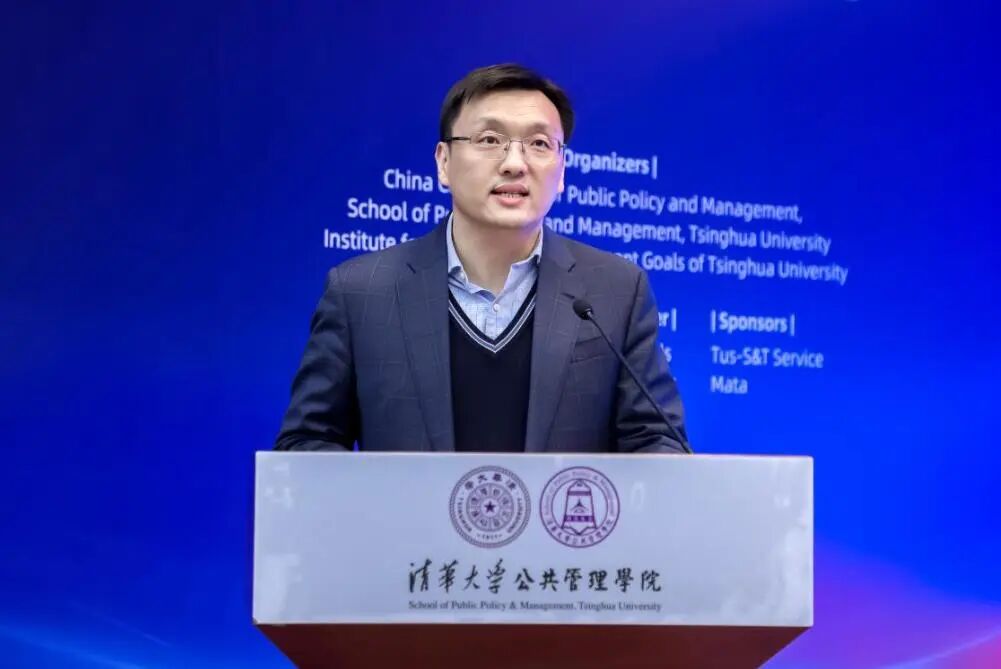
Remarks by Professor Zhu Xufeng
In her remarks, Gao Ling extended congratulations and appreciation to the participating teams and all parties involved in organizing the competition on behalf of the Global Sustainable Development Goals and Leadership Development Center.
Drawing on specific examples, she emphasized that achieving the SDGs requires a deep understanding of particular social contexts and the ability to connect broad development challenges with the people and problems encountered in everyday life.
She noted that public policy research should be grounded in thorough fieldwork, attentive listening to diverse stakeholders, evidence-based assessment, and careful consideration of the conditions necessary for policy implementation.
Gao encouraged young students to continue refining their research, strengthen engagement with communities, policymakers, and practitioners, and draw inspiration from experiences across different regions. She also expressed her hope that the exchanges fostered through the competition would lead to opportunities for sustained collaboration.
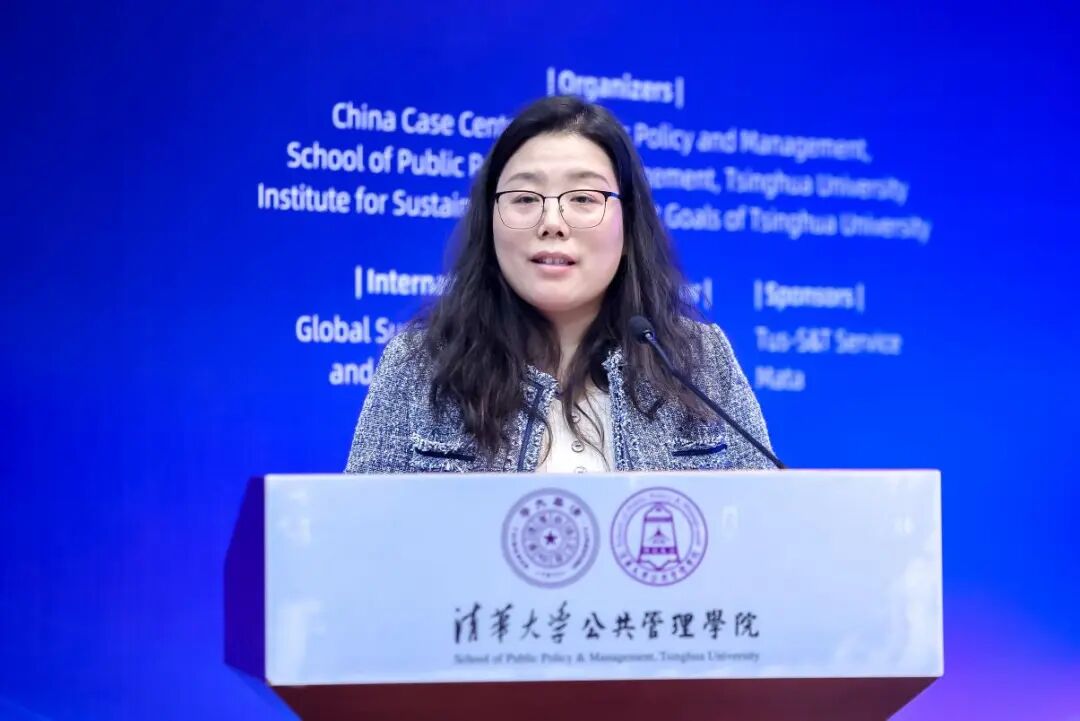
Remarks by Gao Ling
Yang Ming, Vice President of Tus-Holdings, delivered a video address congratulating the participating teams.
He introduced how Tus-Holdings integrates sustainable development principles into investment, incubation, and industrial operations through its global network of science parks and innovation hubs.
He noted that the case studies addressed practical challenges such as industrial transformation, renewable energy deployment, and the coordination of community interests, offering fresh perspectives for corporate practices.
Yang expressed his hope that exchanges during the competition and field visits would help build a two-way bridge between industry and young researchers, providing real-world settings in which students could further develop their innovative ideas and policy recommendations.
He also encouraged young people to remain attentive to real-world problems and explore practical and feasible solutions for sustainable development.
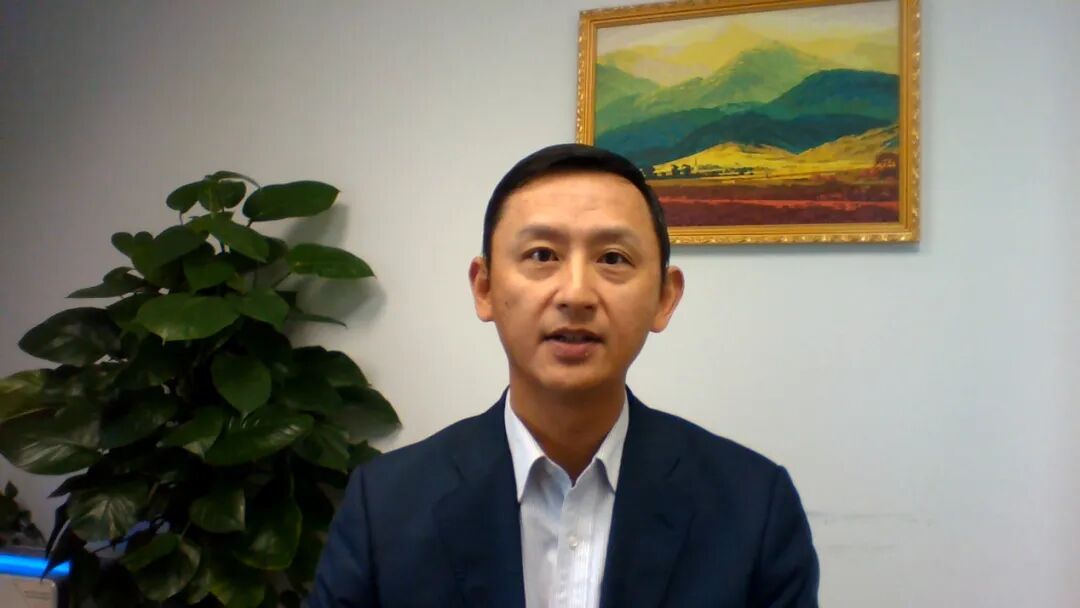
Video Address by Yang Ming
In her remarks, Chen Yaru noted that several case studies in this year's competition focused on green agriculture, soil improvement, and low-carbon agricultural transformation, topics closely aligned with Mata's business practices.
She introduced Mata's longstanding efforts to recycle discarded oyster shells and transform them into soil amendment products, thereby promoting ecological improvement, agricultural development, and local employment.
Chen emphasized that sustainable development requires not only technological innovation but also careful consideration of farmers' incomes, the long-term viability of businesses, and community well-being.
She stressed that closer collaboration among research, public policy, and industrial practice is essential for translating sustainable development principles into practical and effective solutions.
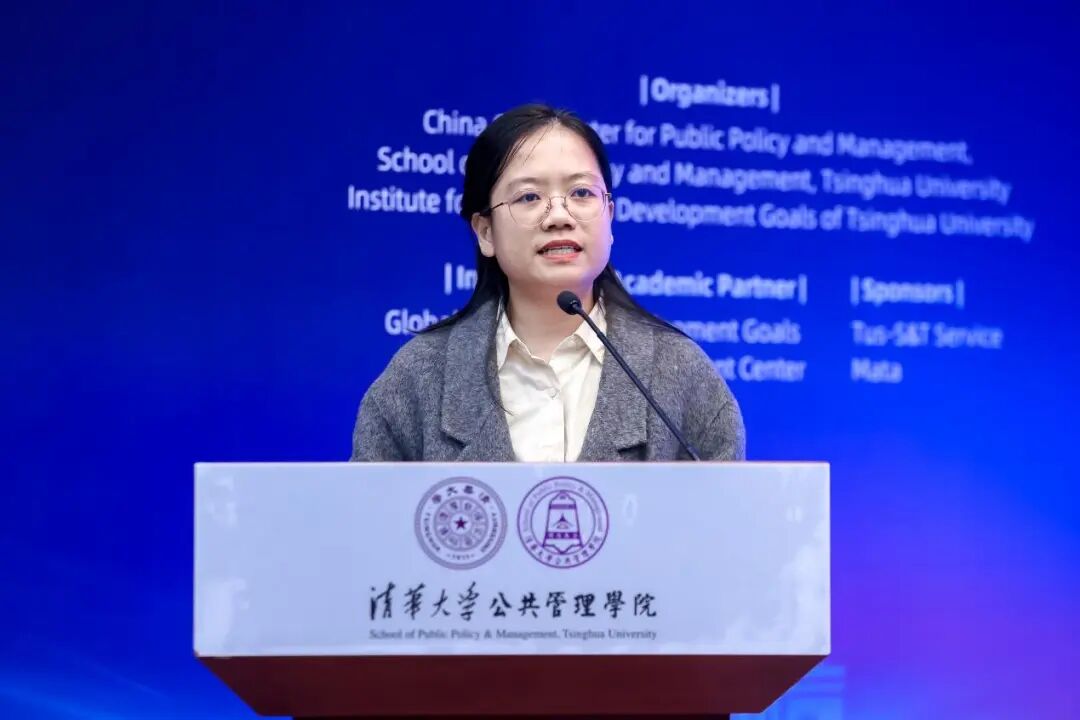
Remarks by Chen Yaru
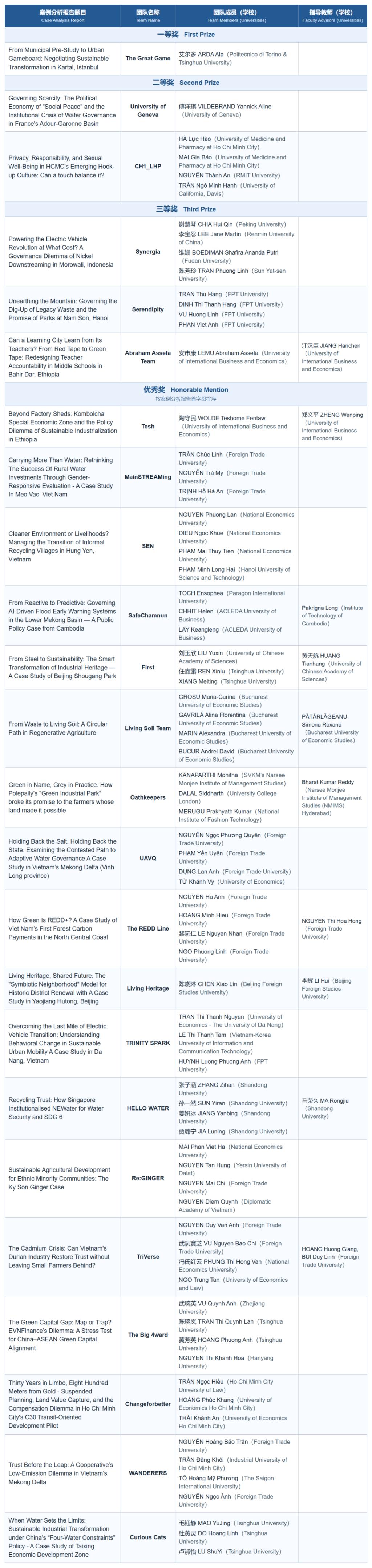
The award presenters then announced the winners of the Third Prize, Second Prize, First Prize, and Excellence Awards, and presented the corresponding honors.
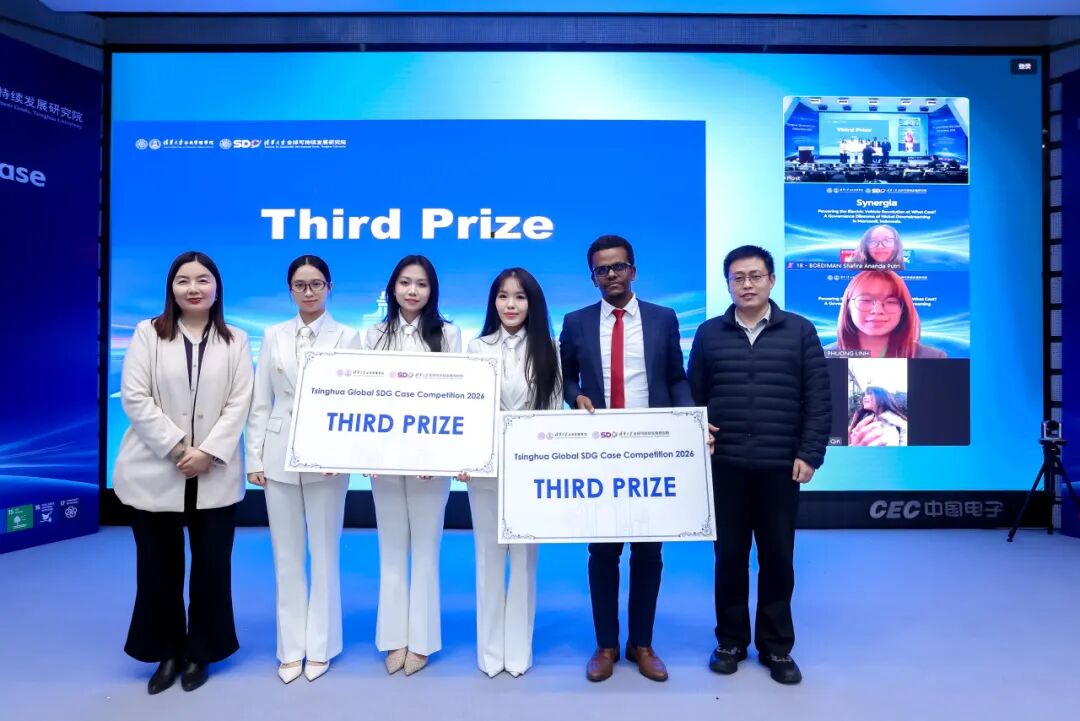
Chen Jidong and Mu Ling Present the Third Prize Awards
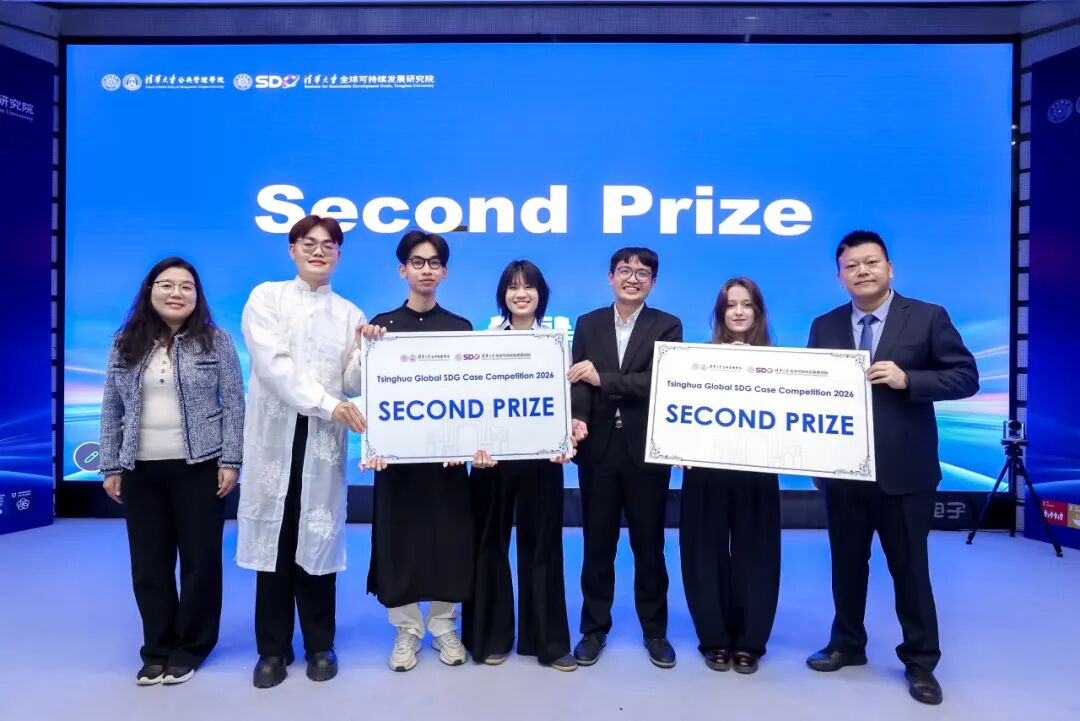
Gao Ling and Wang Yongming Present the Second Prize Awards
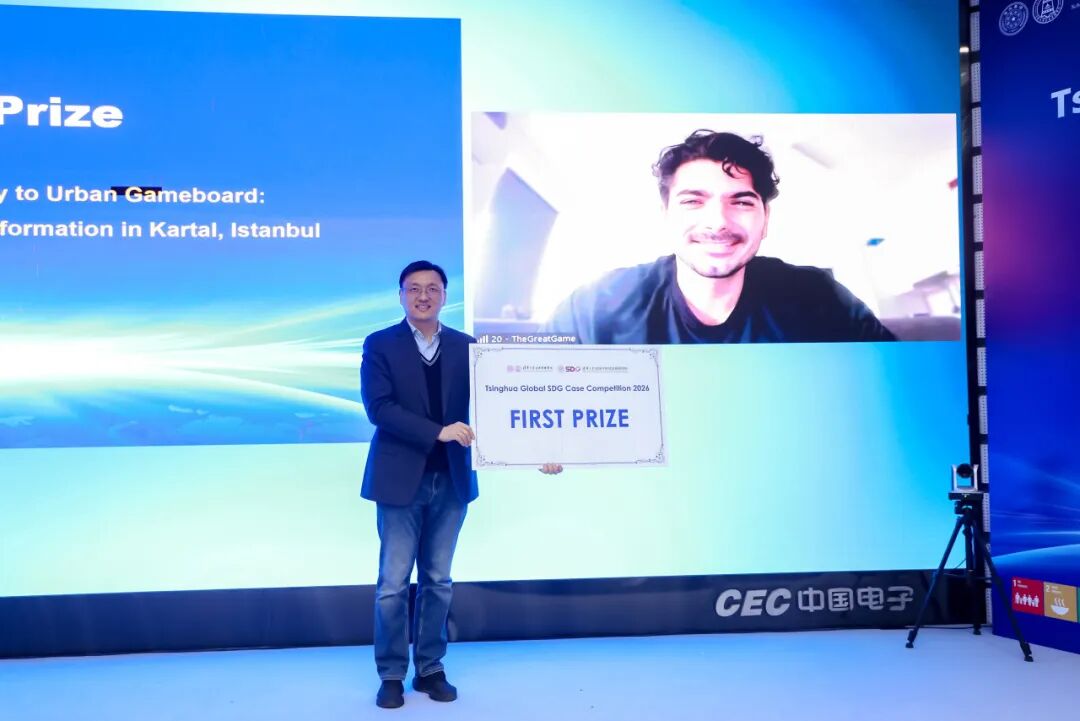
Zhu Xufeng Presents the First Prize Awards
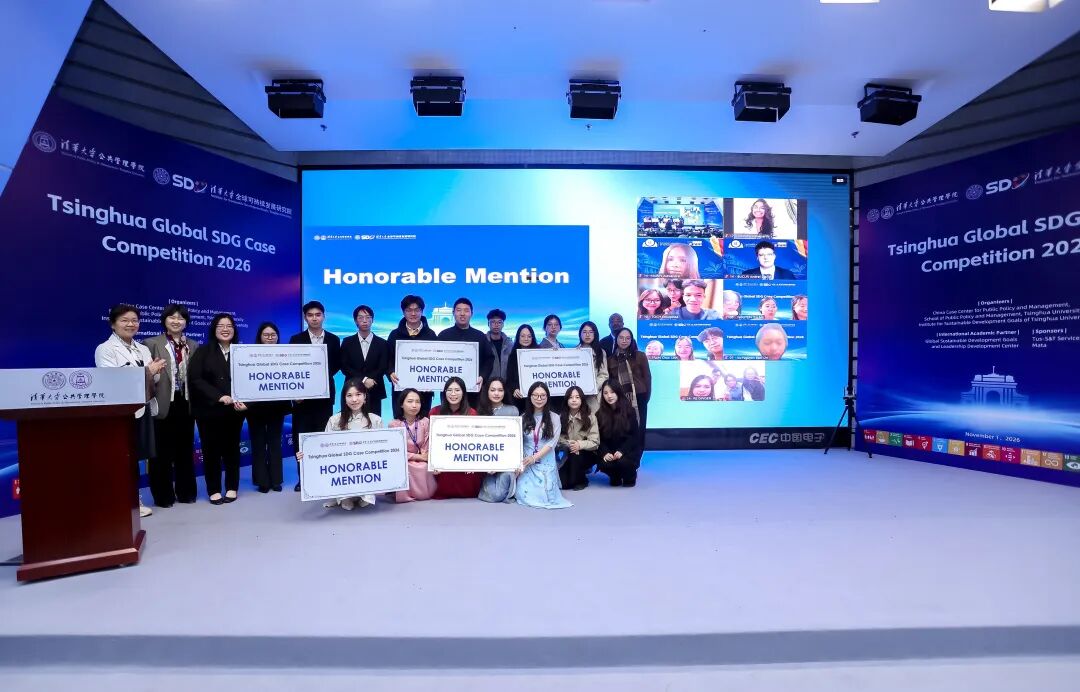
Zhang Yun and Xie Mengyu Present the Excellence Awards
Through case studies, final presentations, question-and-answer sessions, and poster exhibitions, the Tsinghua Global SDG Case Competition 2026 provided an international platform for young students worldwide to exchange insights on public policy practices and explore sustainable development challenges.
Although this year's competition has concluded, research and exploration into sustainable development issues will continue.
Looking ahead, the organizing committee will continue to leverage case-based teaching and research to cultivate future talent, encouraging more young scholars to engage with real-world public policy challenges, document practical experiences through case studies, and develop research-based responses to pressing global issues.
Through these efforts, the competition will continue to inspire young people to contribute their knowledge, creativity, and perspectives to global sustainable development.
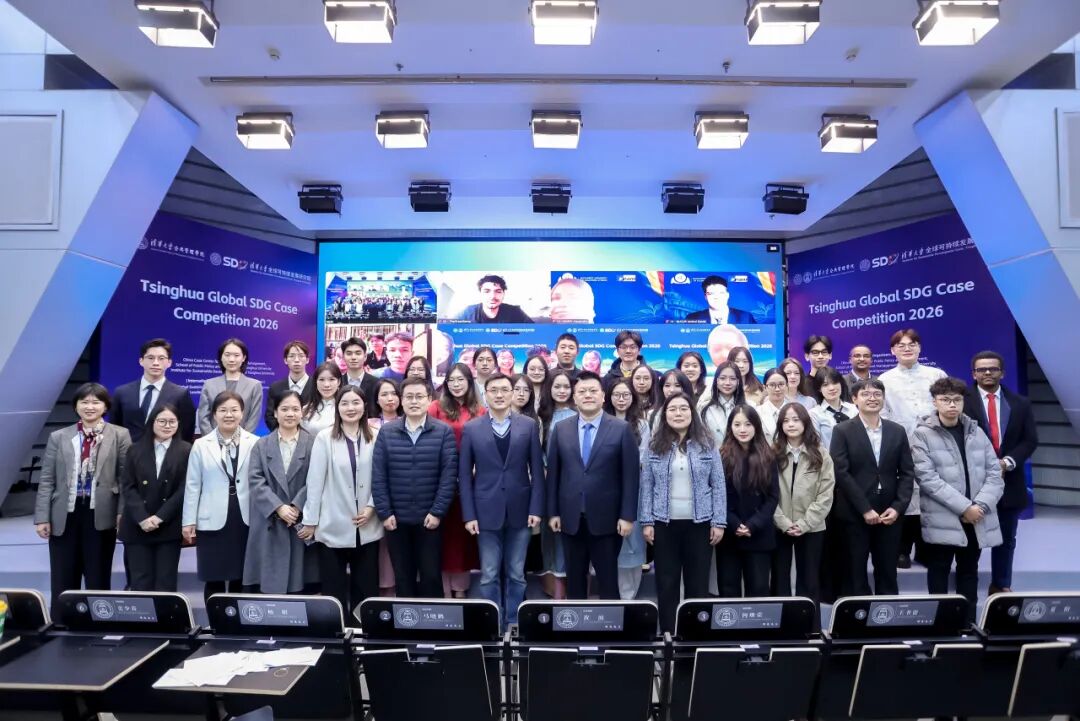
Group Photo of Participants and Guests
Tsinghua Global SDG Case Competition 2026 — List of Award Winners