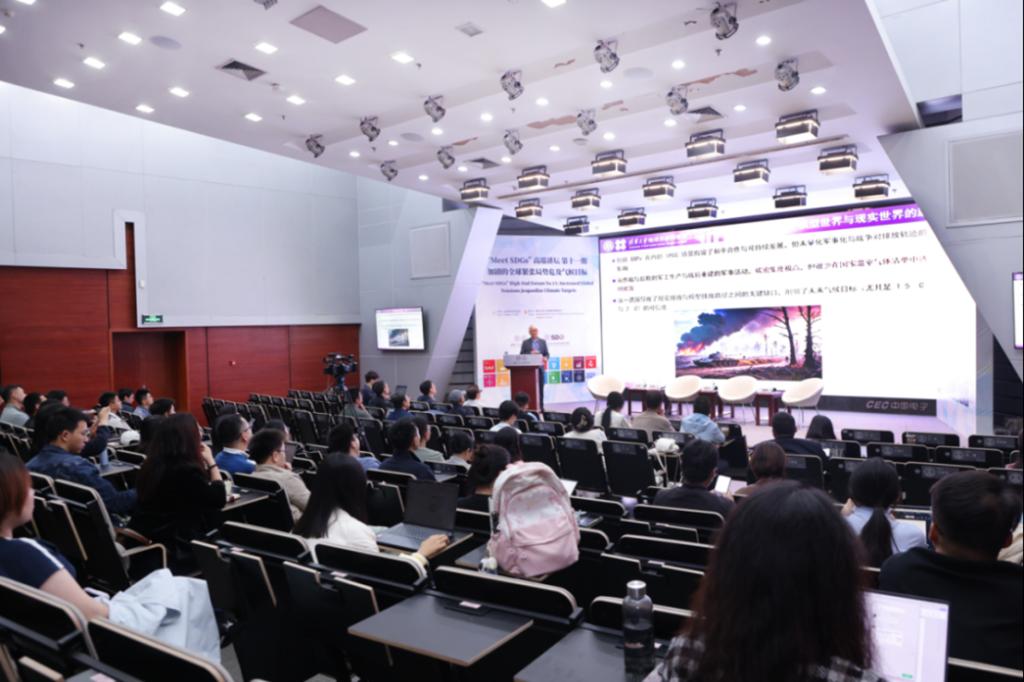
On the evening of October 15, 2025, the No.11 of the “Meet SDGs” High-End Forum: “Increased Global Tensions Jeopardize Climate Targets,” was successfully hosted by the Institute for Sustainable Development Goals, Tsinghua University (Tsinghua SDG Institute) and held at the Auditorium Hall of the School of Public Policy and Management, Tsinghua University.
This forum was delivered by Chen Deliang, Xinghua Distinguished Chair Professor, Tsinghua University, Foreign Members of the Chinese Academy of Science, Member of Royal Swedish Academy of Sciences and five other academies, and was moderated by Zhu Xufeng, Dean & Professor, School of Public Policy and Management, Tsinghua University, Executive Director, Institute for Sustainable Development Goals, Tsinghua University. Xue Jinjun, Professor, Economics of Nagoya University, Director of Nagoya University-SinoCarbon Innovation Carbon Neutral Innovation Joint Laboratory, Visiting Professor, Tsinghua University, as well as Chai Qimin, Director & Researcher, National Center for Climate Change Strategy and International Cooperation (NCSC), Vice-chair, Technical Expert Group on Environment and Development of United Nations Economic and Social Commission for Asia and the Pacific (UN ESCAP), Researcher, Research Center for Contemporary Management, Tsinghua University also attended the forum. More than 100 faculty members and students from both within and outside the university participated in the forum.
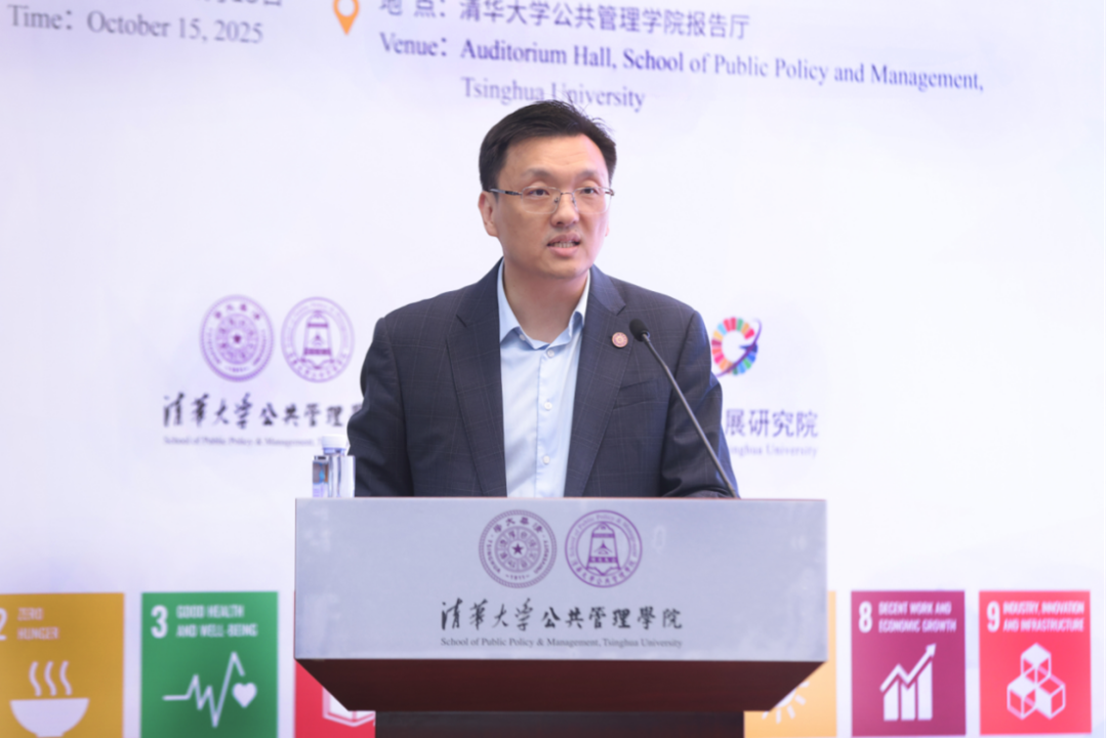
Moderated by Zhu Xufeng
In his opening remarks, Zhu Xufeng pointed out that, against the backdrop of the 80th anniversary of the founding of the United Nations, the global geopolitical landscape is undergoing accelerated transformation, posing unprecedented challenges to global security and climate governance. He emphasized that climate change and geopolitics have become increasingly intertwined, and that how to safeguard global climate goals amid strategic rivalries and uphold the shared vision of sustainable development in times of turbulence has become a critical question facing humanity.
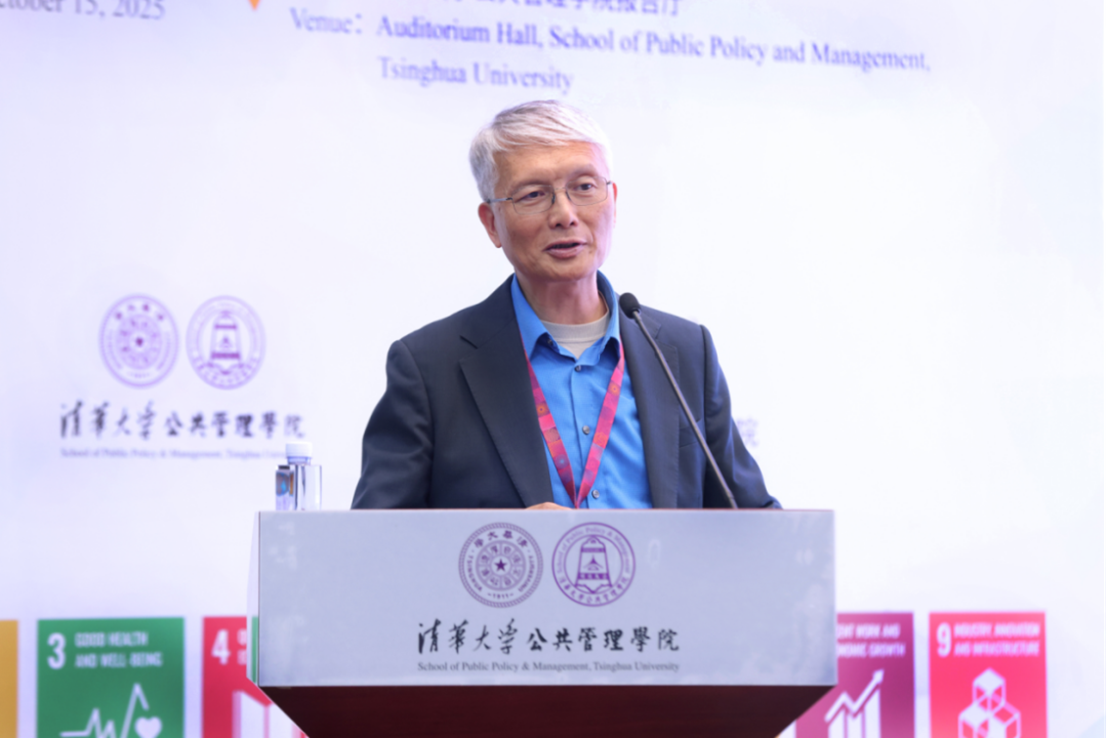
Keynote Speech by Chen Deliang
Subsequently, Chen Deliang delivered a keynote speech titled “Military Carbon Emissions: The Overlooked Issue in Global Climate Policy.” From a macro perspective, he explored the complex relationship between military activities and global climate governance. He pointed out that although the international community has been actively promoting emission reductions across various sectors, the environmental impacts of the military sector have long been neglected, becoming a significant blind spot in global climate policy. Against the backdrop of intensifying geopolitical tensions and increasing military expenditures, this issue poses a serious challenge to achieving global emission reduction targets.Chen Deliang noted that military activities generate substantial emissions through energy consumption, equipment manufacturing, base operations, and post-war reconstruction, exerting a profound impact on the global climate system. He emphasized the need to recognize the role of military systems within the global emissions structure and to promote the establishment of a more inclusive and transparent international accounting mechanism to bridge existing gaps in policy and governance.He further pointed out that the current climate governance framework has yet to effectively account for military emissions, and there is an urgent need for the international community to strengthen cooperation and improve data-sharing and accounting methodologies. Chen Deliang called for integrating the relationship between security and sustainable development into the global governance agenda, emphasizing the interdependence between peace and climate stability, and urging joint efforts to address the environmental challenges posed by the ongoing militarization process.

Zhu Xufeng (far left) moderated the discussion, joined by Chen Deliang (second from left), Xue Jinjun (second from right), and Chai Qimin (far right)
During the guest commentary and discussion session, Xue Jinjun, Chai Qimin, and Zhu Xufeng each shared their insights on the keynote speech. Xue Jinjun emphasized that military activities should be incorporated into the global carbon accounting system, and called for scientific and quantitative research to explore the correlations among military expenditures, warfare, and carbon emissions, in order to advance systematic studies in climate governance. Chai Qimin highlighted that, amid the rapidly evolving geopolitical landscape, it is essential to examine the synergy between security and climate from a holistic perspective and to promote the coordinated implementation of the Sustainable Development Goals (SDGs). Zhu Xufeng noted that climate issues have transcended the traditional environmental domain, becoming an integral part of international political and security agendas, while the process of international cooperation on climate governance remains constrained by multiple real-world factors.At the same time, the four guests engaged in an in-depth discussion on topics such as balancing national security and climate objectives and enhancing the transparency of military carbon emissions. Chen Deliang noted that the transparency of military carbon emissions is a global issue that involves not only scientific accounting, but also political and policy coordination. He emphasized that cross-sectoral cooperation should be promoted from a national strategic perspective. Xue Jinjun suggested that research on the relationship between military operations and carbon emissions requires joint efforts across multiple disciplines, and that international mechanisms and treaties should be used to advance the harmonization of accounting standards. Chai Qimin stressed that the particular nature of the military sector makes the advancement of climate action in this field especially challenging, calling for mechanism innovation and interdisciplinary research to foster integrated governance across different domains.
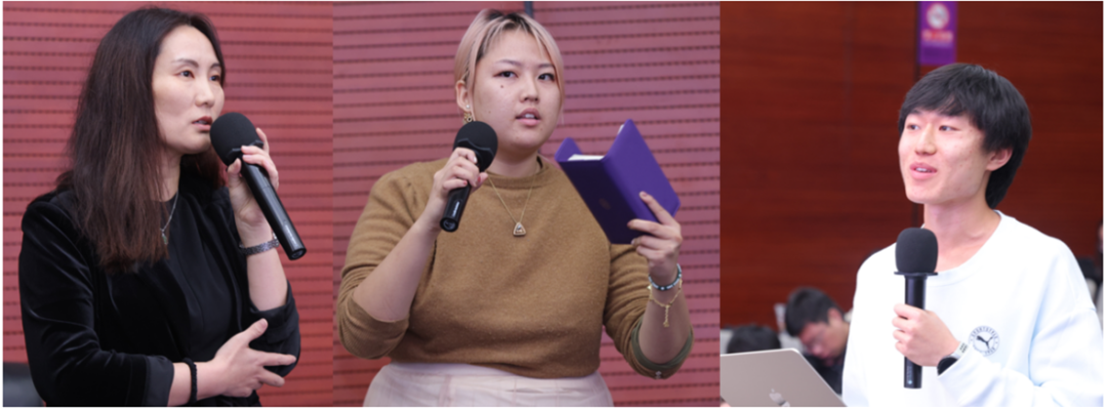
Q&A Session
Subsequently, the guests engaged in a lively Q&A session with the students and faculty members. The discussion focused on topics such as the prioritization of climate goals, China’s role in achieving global climate targets, and the place of climate change within international relations. The session featured active interaction and enthusiastic participation from the participants.
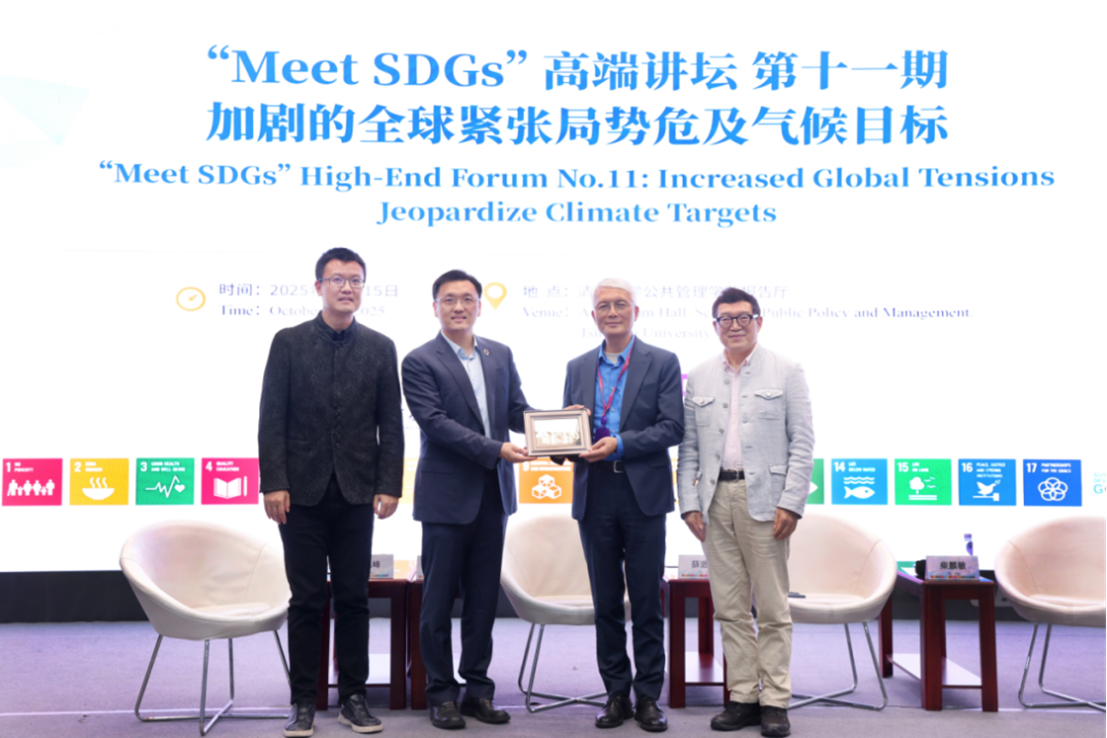
Group Photo of Guests
At the end of the forum, Zhu Xufeng, on behalf of the Tsinghua SDG Institute, presented a gift to Chen Deliang and took a group photo, expressing gratitude for his insightful and inspiring lecture. This forum, through in-depth dialogue among experts and scholars, provided participants with fresh insights and cutting-edge perspectives on global climate governance.
Forum Scene