On October 23, 2025, the international symposium “Synergizing Climate Action and Sustainable Development: Towards an Inclusive and Regenerative Future,” hosted by the Institute for Sustainable Development Goals at Tsinghua University (Tsinghua SDG Institute), was successfully held in a hybrid format (both online and offline) in Room 302 of the School of Public Policy and Management at Tsinghua University. This event was also part of the series of activities celebrating the 25th anniversary of the School of Public Policy and Management, Tsinghua University.
Zhu Xufeng, Professor and Dean of the School of Public Policy and Management at Tsinghua University and Executive Director of the Institute for Sustainable Development Goals at Tsinghua University (Tsinghua SDG Institute), attended and delivered remarks. Peter Nijkamp, Distinguished Visiting Professor at Tsinghua University and Professor of Faculty of Economics, Vrije Universiteit Amsterdam, attended the event and delivered a keynote speech. Additionally, keynote speeches were presented by: Abdul Shaban, Professor and Chairperson of the Centre for Public Policy, Habitat and Human Development, School of Development Studies, Tata Institute of Social Sciences, India; Associate Professor and Scientific Director of ETI Chair, IAE Paris-Sorbonne Business School; Karima Kourtit, Associate Professor of Faculty of Economics at Vrije Universiteit Amsterdam; Tan Xianchun, Vice Director, Center for Carbon Neutrality Strategy Institutes of Science and development, Chinese Academy of Sciences; and Lu Xi, Professor and Head of the Division of Air Pollution and Its Control at the School of Environment, Tsinghua University, and Assistant to the Dean of the Institute for Carbon Neutrality, Tsinghua University. The symposium was chaired by Zhu Junming, Associate Professor and Associate Dean of the School of Public Policy and Management at Tsinghua University and Vice Director of Tsinghua SDG Institute. Attending experts engaged in in-depth exchanges and discussions on how to better synergize climate action and sustainable development goals to jointly build an inclusive and regenerative future.
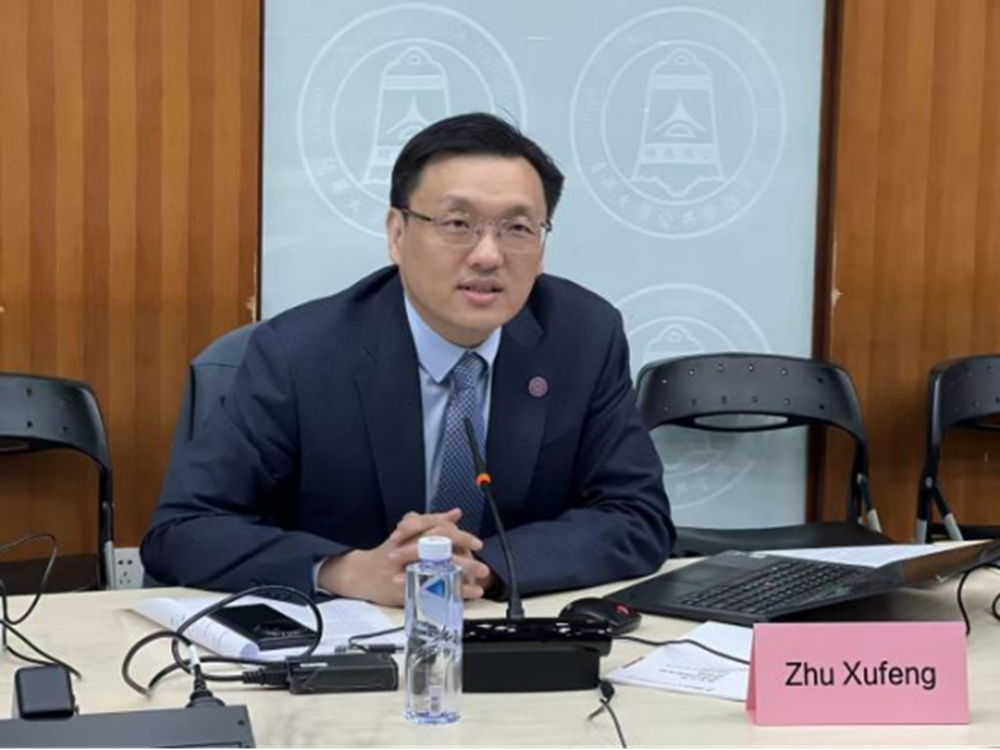
Zhu Xufeng delivered remarks
Zhu Xufeng first welcomed all experts and scholars to the symposium for exchanging views and discussing the critical topic of climate change governance. In his remarks, he pointed out that the world today is facing severe challenges such as climate change and uneven development, which require driving the global sustainable transition in a synergistic, inclusive, and innovative manner. He emphasized the importance of strengthening international cooperation and knowledge sharing, and promoting the integration of scientific research with policy practice, so as to contribute wisdom and strength towards achieving a fairer, greener, and more resilient future.
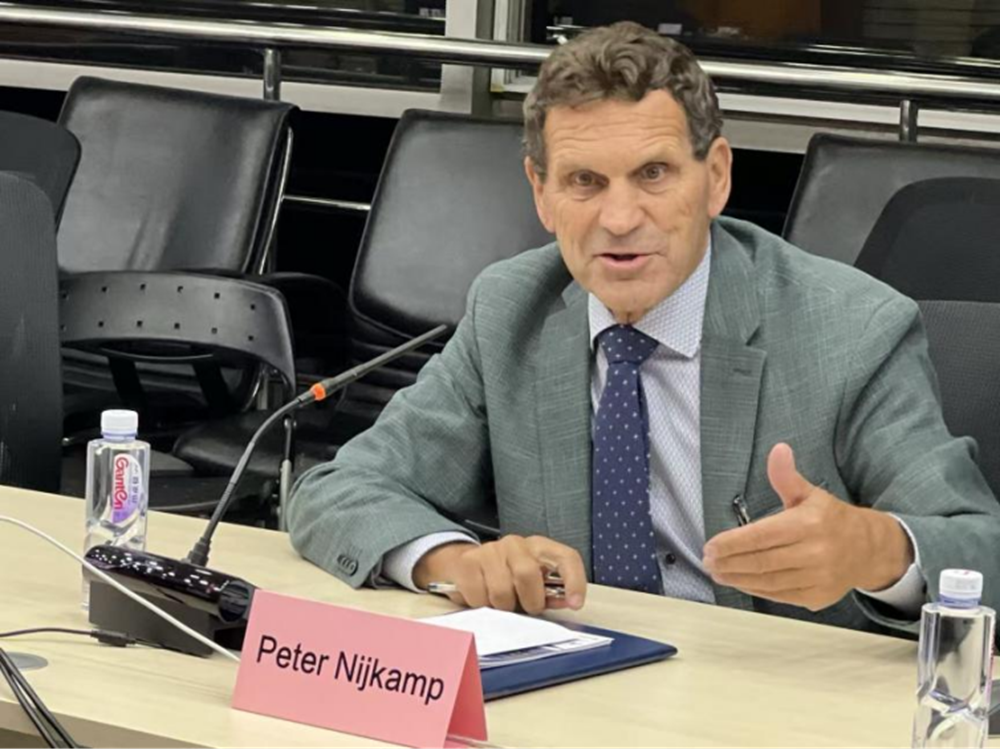
Peter Nijkamp delivered his remarks and a keynote speech
In his remarks, Peter Nijkamp first extended his warm congratulations on the 25th anniversary of the School of Public Policy and Management at Tsinghua University. He pointed out that there is still a long way to go in the process of global sustainable development before truly achieving environmental goals. Despite the numerous attempts made by the international community, a decisive solution has not yet been found. He emphasized that future policy-making and academic research should pay greater attention to local contexts, exploring more targeted and feasible paths based on an understanding of regional differences.
Subsequently, in his keynote speech, he mentioned that current climate action should examine development issues from a more comprehensive perspective, moving beyond single economic indicators to focus on the coordinated integration of economic growth and environmental protection. He stressed that there is an urgent need to generate more targeted and inclusive policy recommendations at both the global and local levels, and to explore new pathways for achieving climate goals and sustainable development from a multidisciplinary and multi-perspective approach.
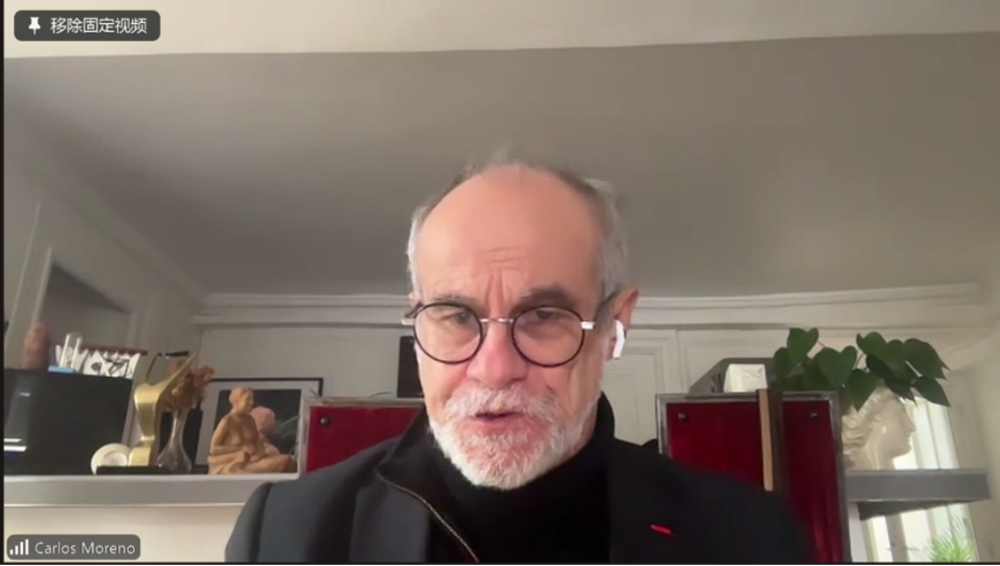
Carlos Moreno Keynote Speech
Carlos Moreno delivered a keynote speech titled "Proximity and Resilience: a human-centred approach to urban planning in the 21st century." Drawing upon the concept of the "15-minute city," he elaborated on a human-centric approach to urban planning, emphasizing the need to enhance urban livability and resilience through spatial restructuring and the construction of multi-level communities. He pointed out that against the backdrop of addressing climate change and social transformation, urban governance should place greater emphasis on quality of life and social inclusion. By shortening daily travel distances, optimizing public spaces, and encouraging green mobility, he argued, we can build a more resilient and sustainable urban future.
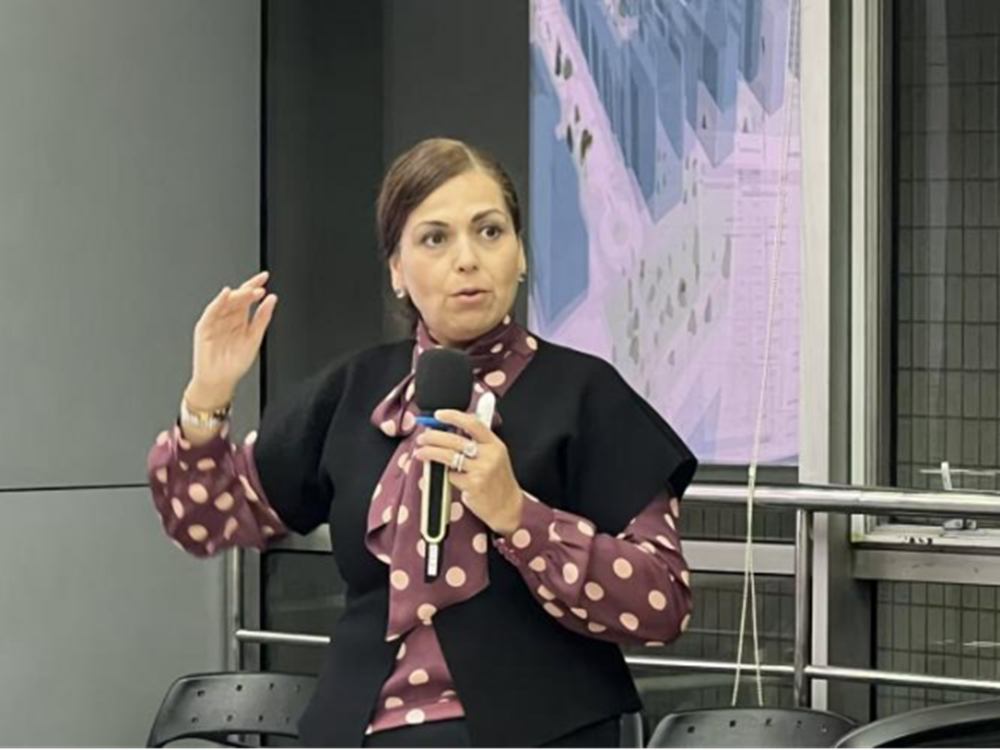
Karima Kourtit Keynote Speech
Karima Kourtit delivered a keynote speech titled "Co-creating Urban Futures: People-oriented Urban Development" She emphasized that in the process of global energy transition and sustainable development, cities serve not only as vehicles for change but also as frontiers for innovation and collaboration. She pointed out that in the face of complex environmental and social challenges, urban regeneration should be driven through technological innovation and multi-stakeholder collaboration, enabling data and digital tools to better serve public decision-making and the improvement of people's livelihoods. She called for adhering to a "people-oriented" principle in policy design to jointly build a more inclusive, resilient, and sustainable urban future.
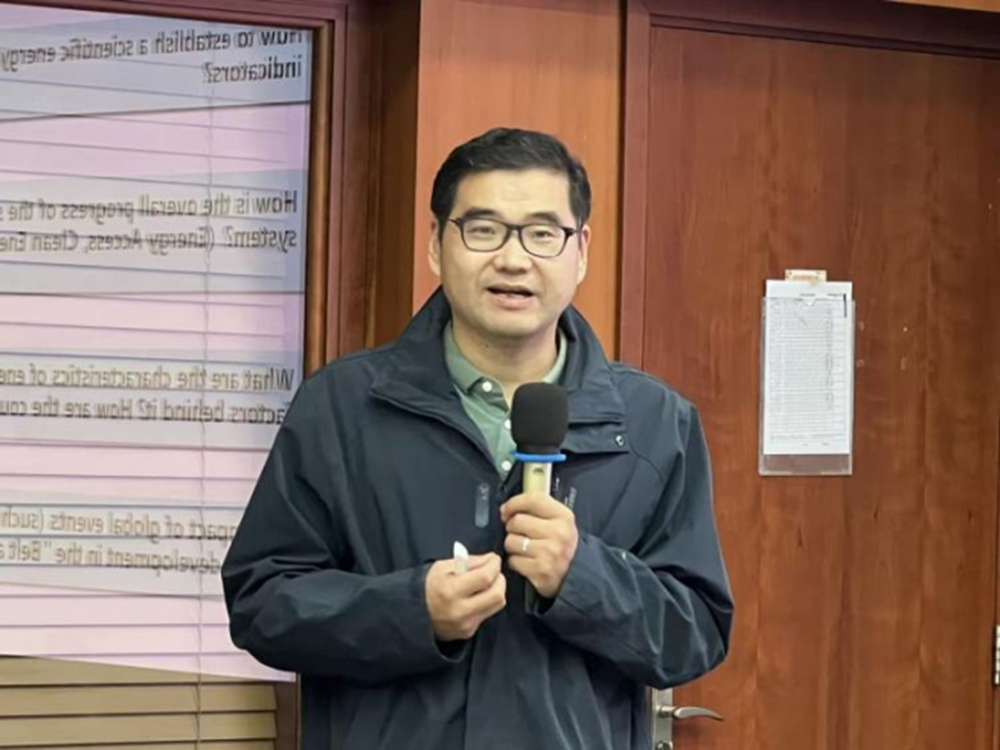
Lu Xi Keynote Speech
Lu Xi delivered a keynote speech titled "World Energy Sustainability Assessment Report 2025 — Focus on the Impacts of Global Shocks." He pointed out that current global emission reduction policies and actions are still insufficient to achieve the 1.5°C temperature control target of the Paris Agreement, and the sustainable transition of the energy system has become a critical pathway to address climate change. He emphasized that sustainable energy development involves not only emission reduction and transition, but also the balance of equity, efficiency, and security. Meanwhile, he argued that against the backdrop of global volatility and crises, it is essential to promote the optimization of the energy structure through technological innovation and regional cooperation, in order to achieve a fair, efficient, and sustainable energy future.
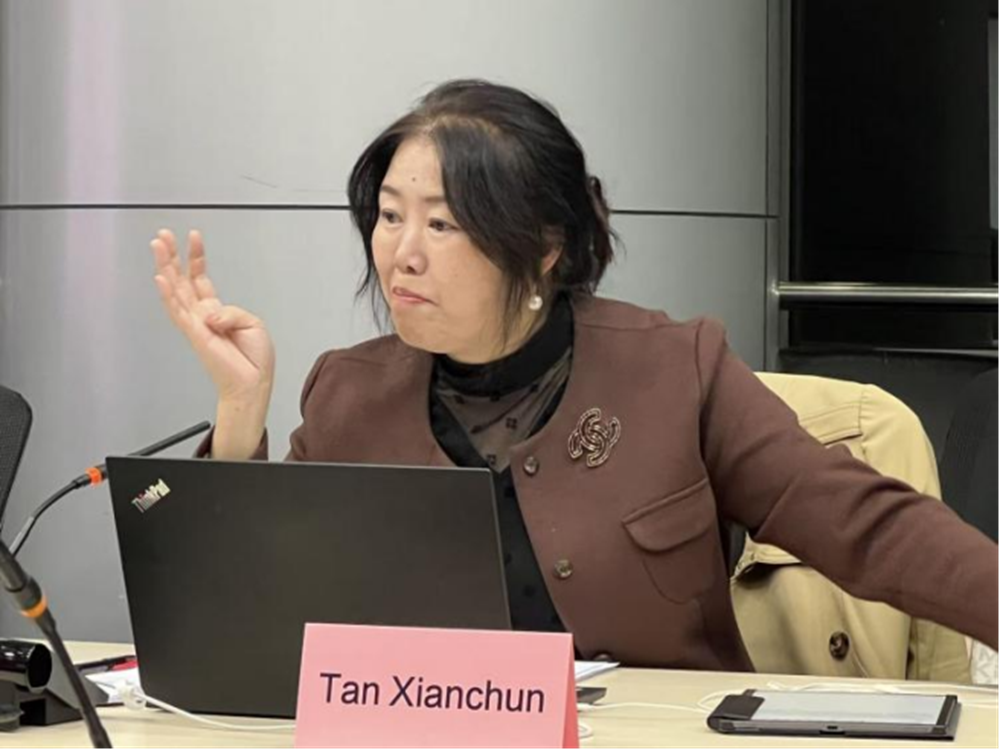
Tan Xianchun Keynote Speech
Tan Xianchun delivered a keynote speech titled "Green and Low-Carbon Policy Synergy: Driving Climate Goals and Sustainable Development." She pointed out that the world is accelerating towards carbon neutrality and green transition, and low-carbon policies have become a key force in driving sustainable economic and social development. Meanwhile, she introduced China's progress in policies and actions under the "Dual Carbon" goals, emphasizing that the construction of a "Beautiful China" is an important driver for the synergistic promotion of green transition and sustainable development. She stated that through technological innovation, institutional improvement, and international cooperation, we should continuously enhance the endogenous power of green and low-carbon development, contributing together to the building of a community with a shared future for mankind and a sustainable global future.
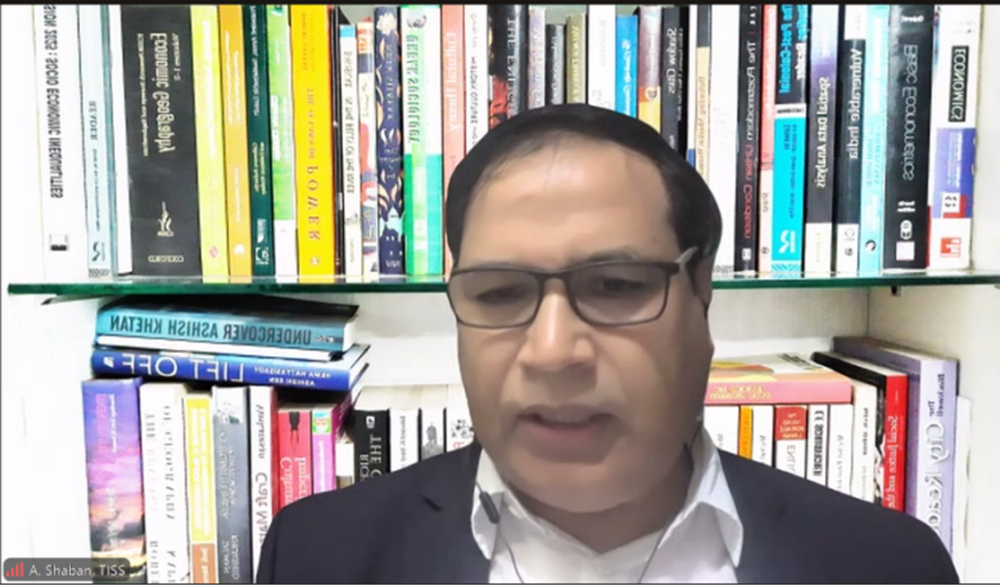
Abdul Shaban Keynote Speech
In his keynote speech, Abdul Shaban pointed out that achieving the coordinated progress of ecology and development requires promoting sustainable urban transition with systems thinking. He emphasized the need to facilitate the efficient utilization of resources and the transformation of production modes through technological innovation and institutional improvement, while simultaneously advancing green planning and equitable development in key areas such as housing and water resources. He asserted that only by integrating ecological concepts throughout the entire process of urban construction and governance can we achieve a truly inclusive, resilient, and sustainable future.
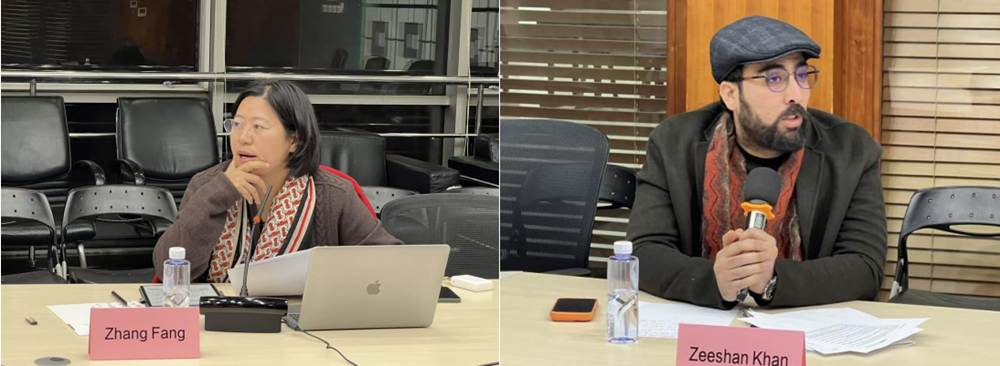
Zhang Fang (left), Zeeshan Khan (right) Speak During the Roundtable Discussion
During the roundtable discussion, participating experts and scholars shared their insights on climate change governance as well as the research and application of technologies. Zhang Fang, Associate Professor at the School of Public Policy and Management at Tsinghua University, and Zeeshan Khan, Postdoctoral Fellow at the Institute for Sustainable Development Goals at Tsinghua University, participated in the discussion.
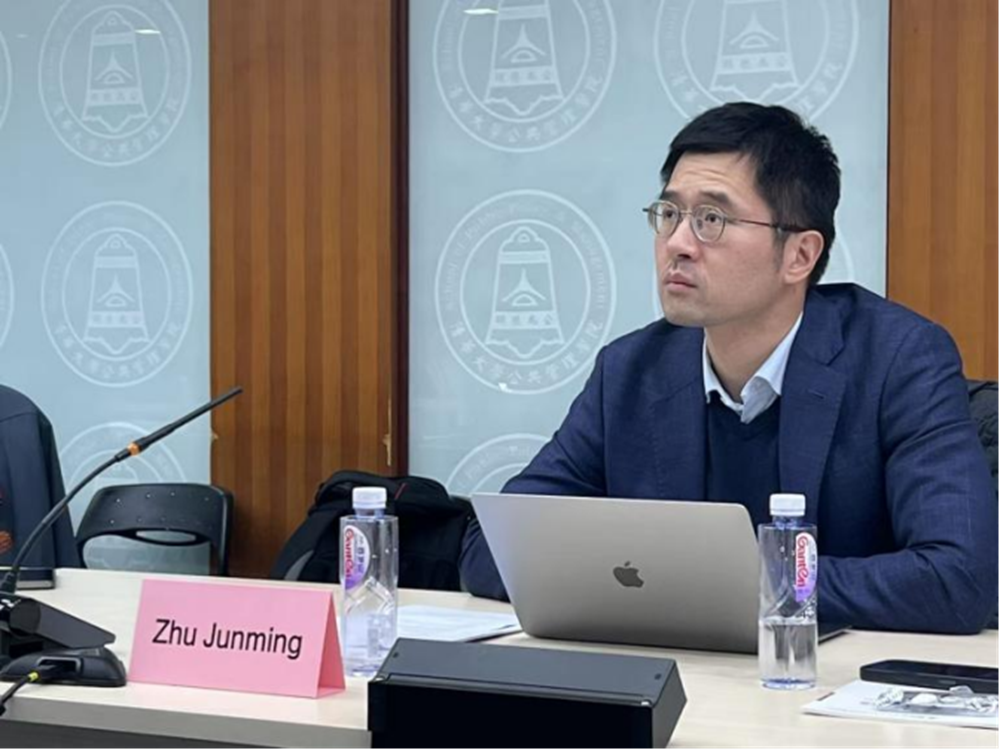
Zhu Junming Hosts the Event
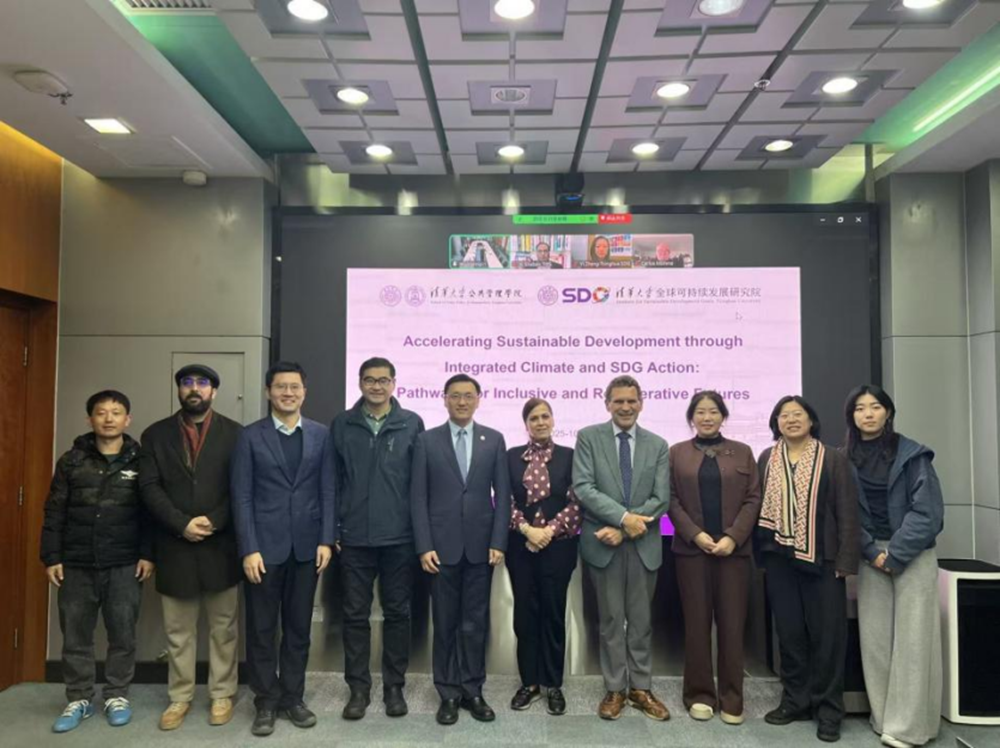
Group Photo of Online and Offline Guests
As an important stop of the series of closed-door meetings preceding COP30, this China session built upon the previous six international conferences by pooling the wisdom of Chinese and foreign experts. In collaboration with Dutch economist Peter Nijkamp and others, the conference conducted in-depth discussions centering on global sustainable development and local well-being. The outcomes of the meeting will be compiled into a policy document titled The Wealth of Nations and the Wellbeing of Places, which will be presented and discussed during COP30. Other participants in the seminar included Zheng Yi, Head of the Institute for Sustainable Development Goals at Tsinghua University; Postdoctoral Fellow Zeng Shian; and Project Assistant Tan Yuhao.
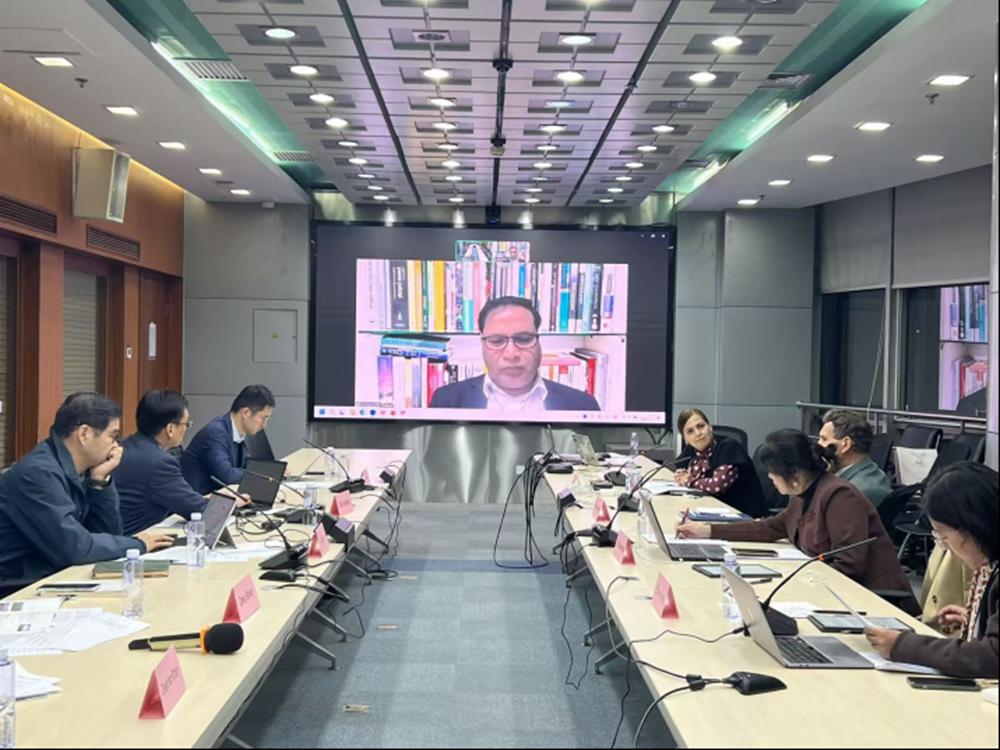
Symposium Site