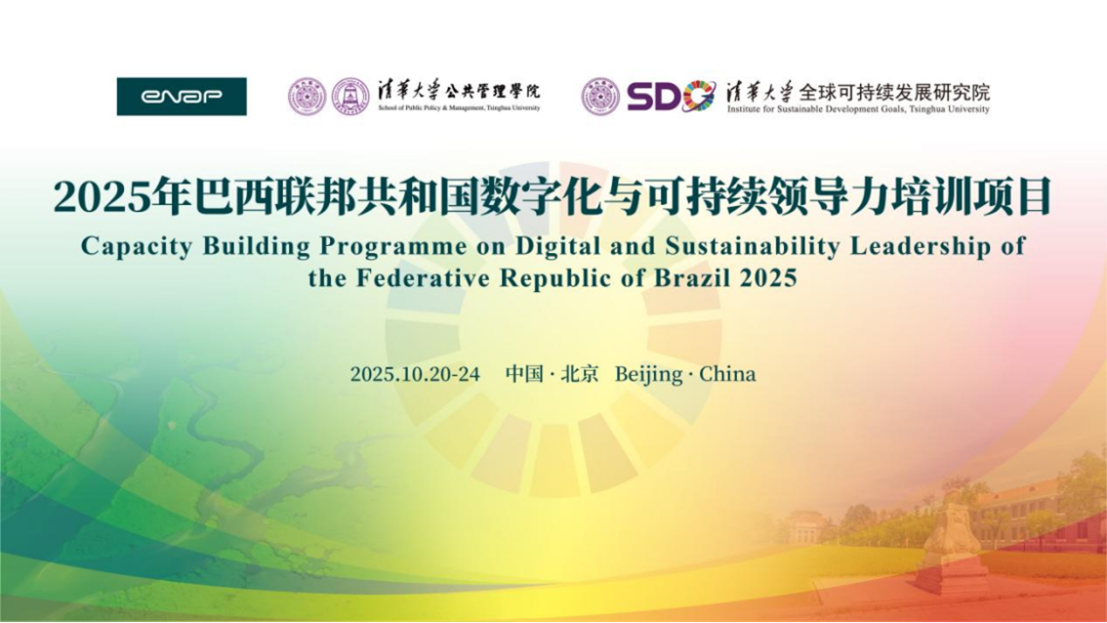
From October 20 to 24, 2025, the Capacity Building Programme on Digital and Sustainability Leadership of the Federative Republic of Brazil 2025 was successfully held at Tsinghua University. This programme was jointly hosted by the Brazilian National School of Public Administration (Escola Nacional de Administração Pública, ENAP) and the School of Public Policy and Management of Tsinghua University (Tsinghua SPPM), and co-organised by the Institute for Sustainable Development Goals of Tsinghua University (Tsinghua SDG Institute) and the Executive Education Center of Tsinghua SPPM.
A total of 25 senior governmental officials from the Federative Republic of Brazil participated in the programme. The participants are from nine federal ministries and affiliated institutions, including the Federal Court of Auditors, the Federal Senate, the Ministry of Management and Innovation in Public Services, the Ministry of Finance, the Presidency of the Republic, the Ministry of Racial Equality, the Ministry of Culture, and other governmental agencies.
At the opening ceremony on the morning of October 20, Professor Zhu Xufeng, Dean of the Tsinghua SPPM and Executive Director of the Tsinghua SDG Institute, warmly welcome all the Brazilian governmental officials who had traveled from afar to participate in this programme. He pointed out that this training programme exemplifies the deepening collaboration between Tsinghua SPPM and ENAP in the field of public administration education and sustainable development. By integrating the rich experiences of both China and Brazil, the programme not only explores the practical pathways for digitalisation and sustainability, but also enhances participants’ capabilities in digital governance and sustainability leadership.
This year also marks the 80th anniversary of the United Nations and a new milestone after the 50 years of diplomatic relations between China and Brazil. Standing at this important historical juncture, the programme carries profound significance. Prof. Zhu hopes that participants can fully leverage this learning opportunity for in-depth exchanges, mutual learning, and collective contribution of insights and expertise towards advancing China-Brazil cooperation in sustainable development and people-to-people connectivity.
Subsequently, Ms. Natália Cassanelli Herft, Course Coordinator of General Coordination for Senior Leadership Development of the ENAP, expressed her great pleasure in jointly launching this training programme with Tsinghua SPPM. She emphasised that public challenges are becoming increasingly complex and interconnected today. To tackle these challenges such as energy transition, artificial intelligence, and sustainable development, countries should not only reply on technological innovation, but also on collaborative efforts and global governance. Ms. Herft highlighted that these academic exchanges between China and Brazil hold strategic significance, given that both countries face similar development challenges, possess complementary experiences, and share a common vision for the future. She encouraged participants to actively exchange insights, share ideas, and establish enduring partnerships. The opening ceremony was moderated by Dr. Zhang Yanbing, Director of the Executive Education Center of Tsinghua SPPM.
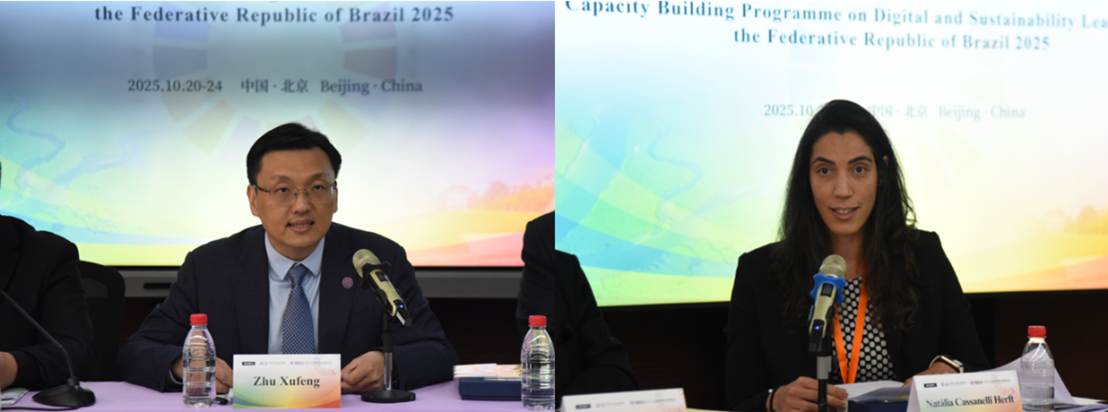
Prof. Zhu Xufeng (left) and Ms. Natália Cassanelli Herft (right) delivering remarks
During the five-day programme, the training covered a comprehensive range of key areas, including the digital economy, digital governance, digital technologies, sustainable development and public leadership. Through a combination of systematic lectures and case studies, the programme provided in-depth analysis of how China has integrated digital technologies into public governance in the process of digital transformation, with the aim of achieving the Sustainable Development Goals (SDGs).
The distinguished lecturers of the programme included Xue Lan, Distinguished Professor of Arts, Humanities and Social Sciences, Dean of the Schwarzman College, Director of the Institute for Sustainable Development Goals of Tsinghua University; Zhu Songchun, Director of the Beijing Institute for General Artificial Intelligence (BIGAI), Director of Institute for General Artificial Intelligence of Tsinghua University, Chair Professor of Peking University & Tsinghua University; Cheng Wenhao, Professor of Tsinghua SPPM, former Associate Dean of the Schwarzman College of Tsinghua University; Zhu Junming, Associate Dean & Associate Professor of Tsinghua SPPM, Vice Director of Tsinghua SDG Institute; and Gao Yuning, Associate Dean & Associate Professor of Tsinghua SPPM, Director of the Institute of International Development and Global Governance of Tsinghua SPPM.
This training programme not only served as a platform for mutual learning and exchange between governmental officials from China and Brazil, but also offered fresh perspectives for collaborative innovation among Global South countries in the fields of digital governance and sustainable development. It fully demonstrated the vital role of insight exchange in promoting international cooperation and shared progress. This helps contribute new momentum to build a more inclusive and sustainable global development framework.
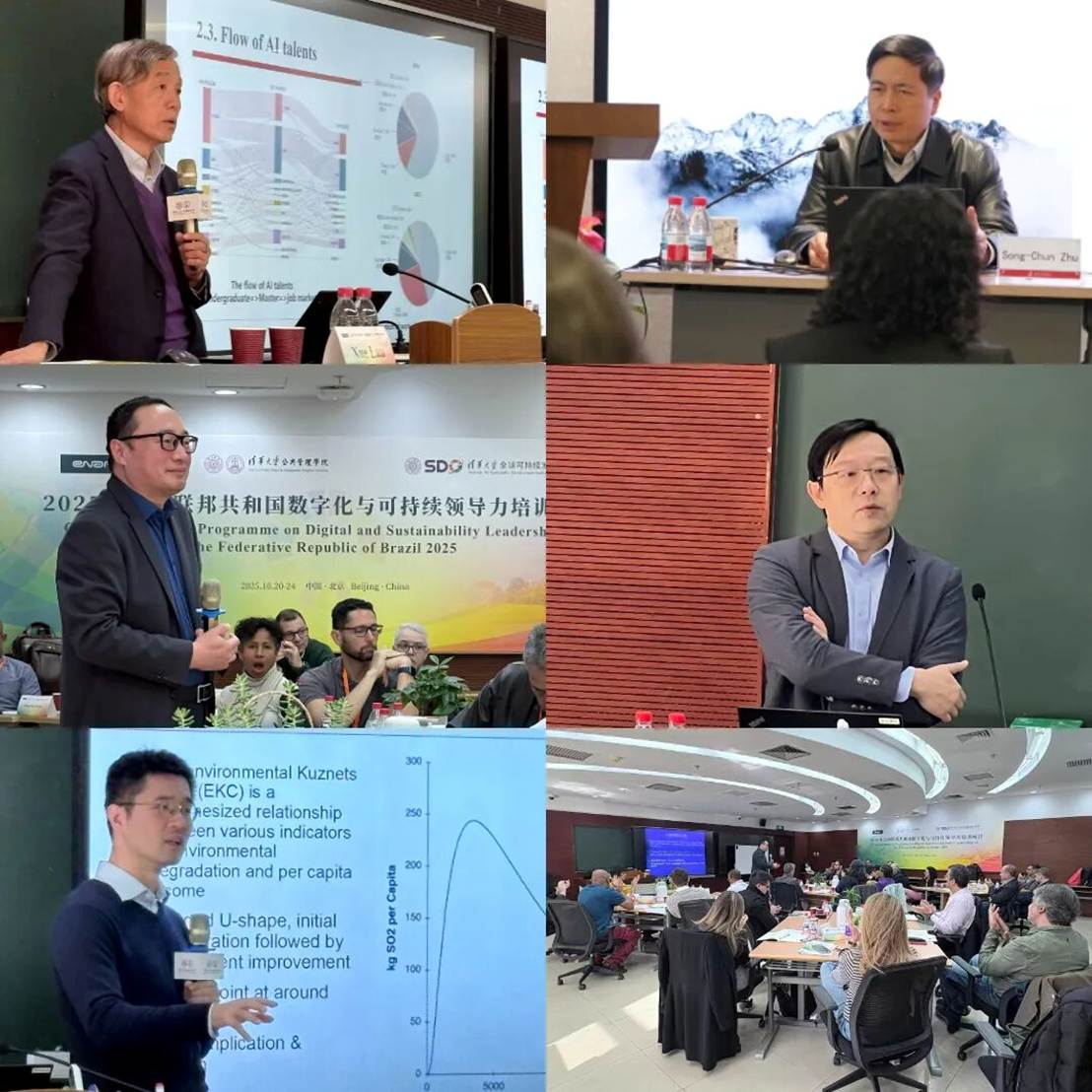
Lecturers (from left to right, top to bottom): Xue Lan, Zhu Songchun, Cheng Wenhao, Gao Yuning, and Zhu Junming
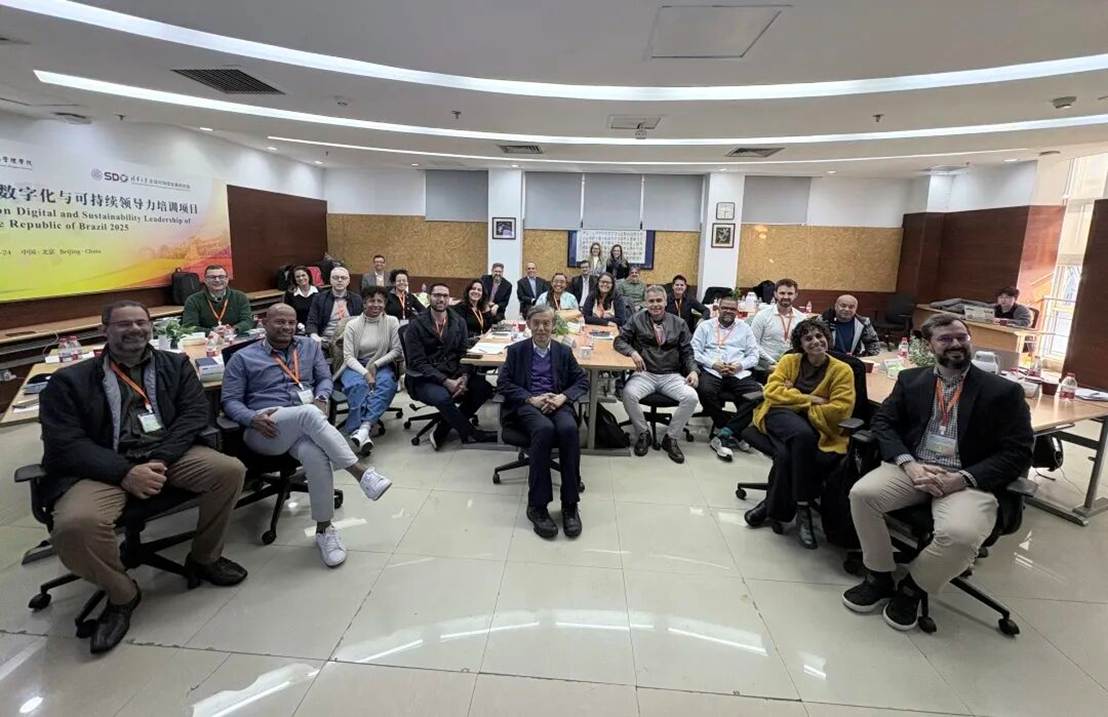
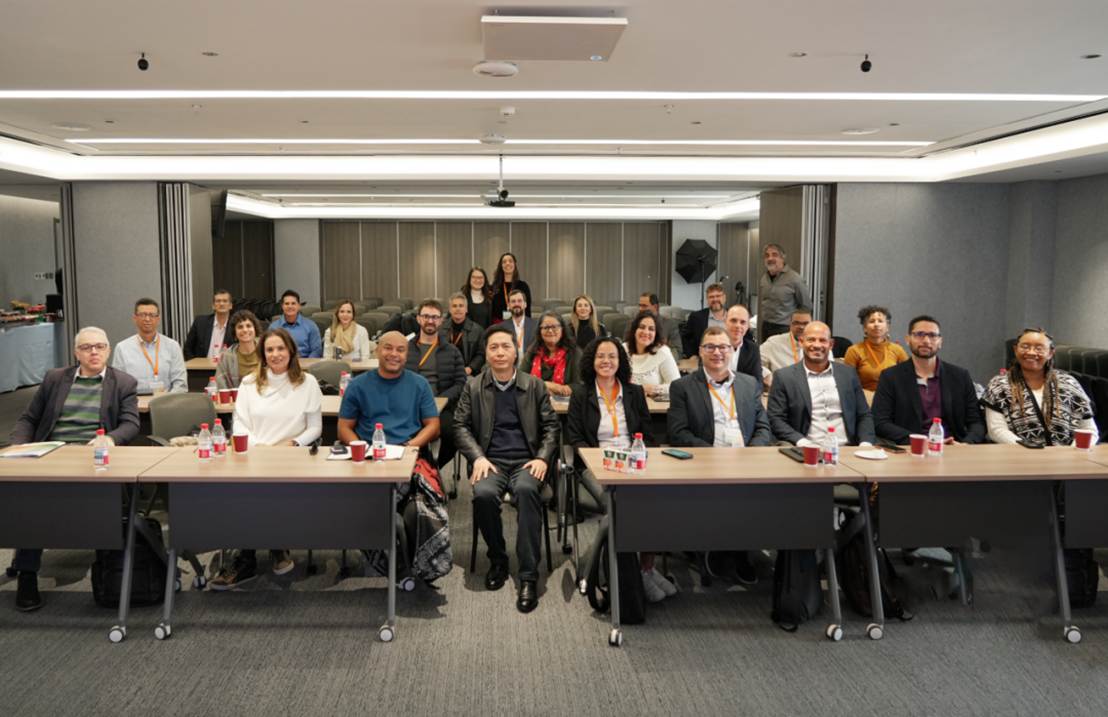
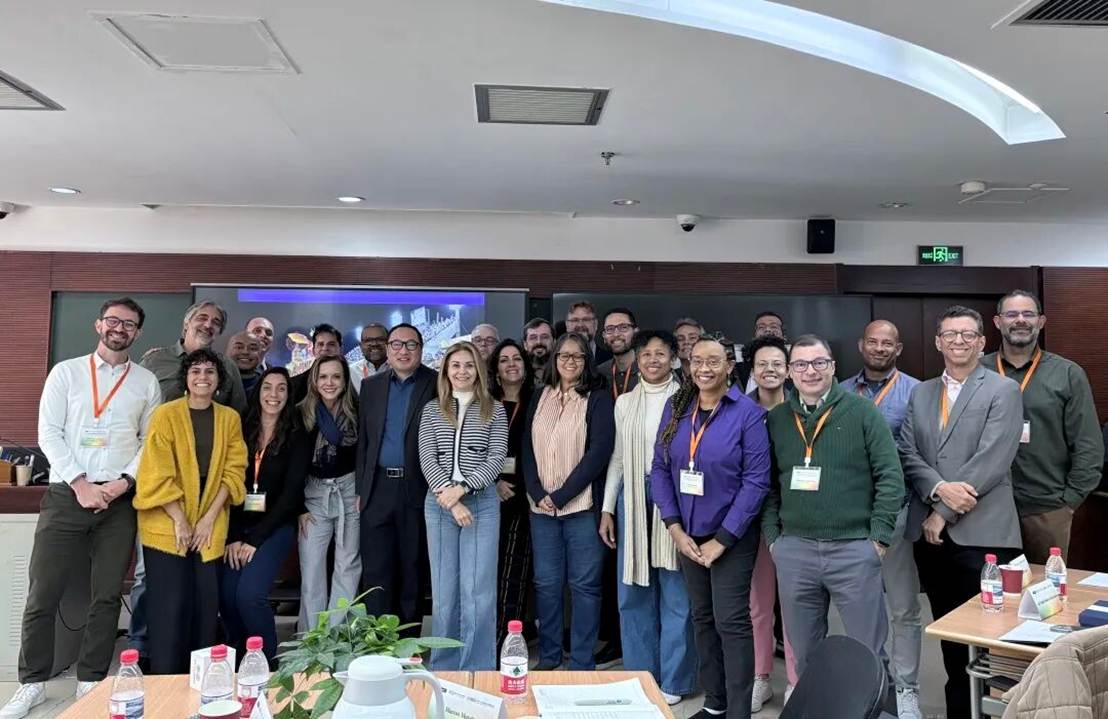
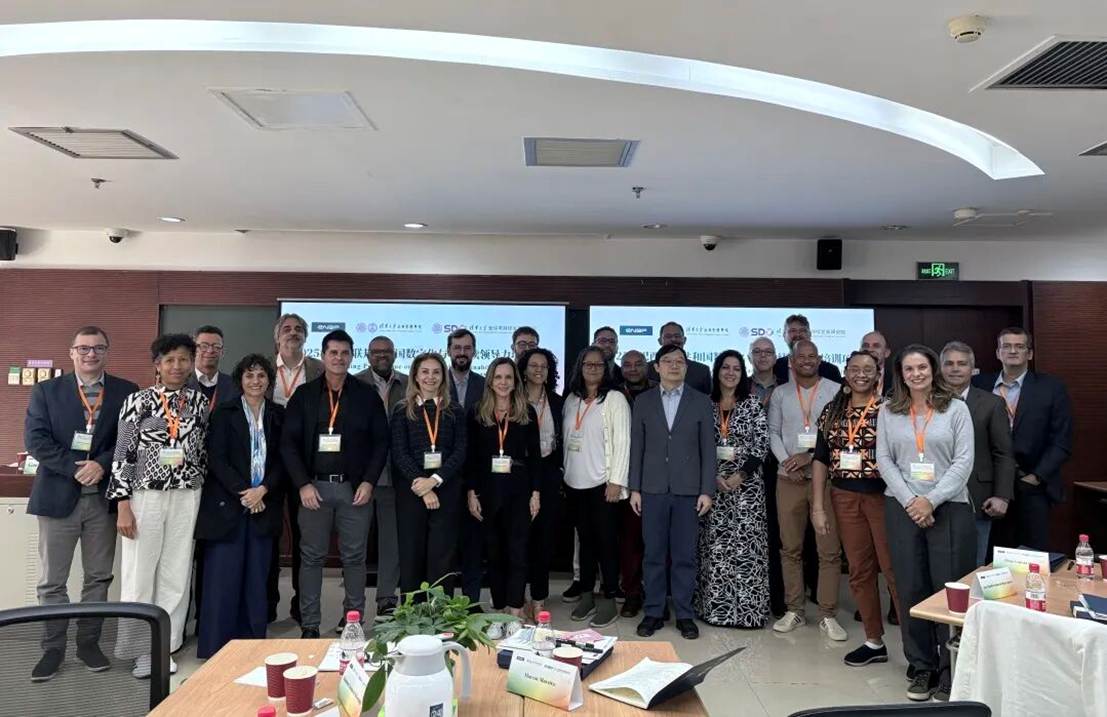
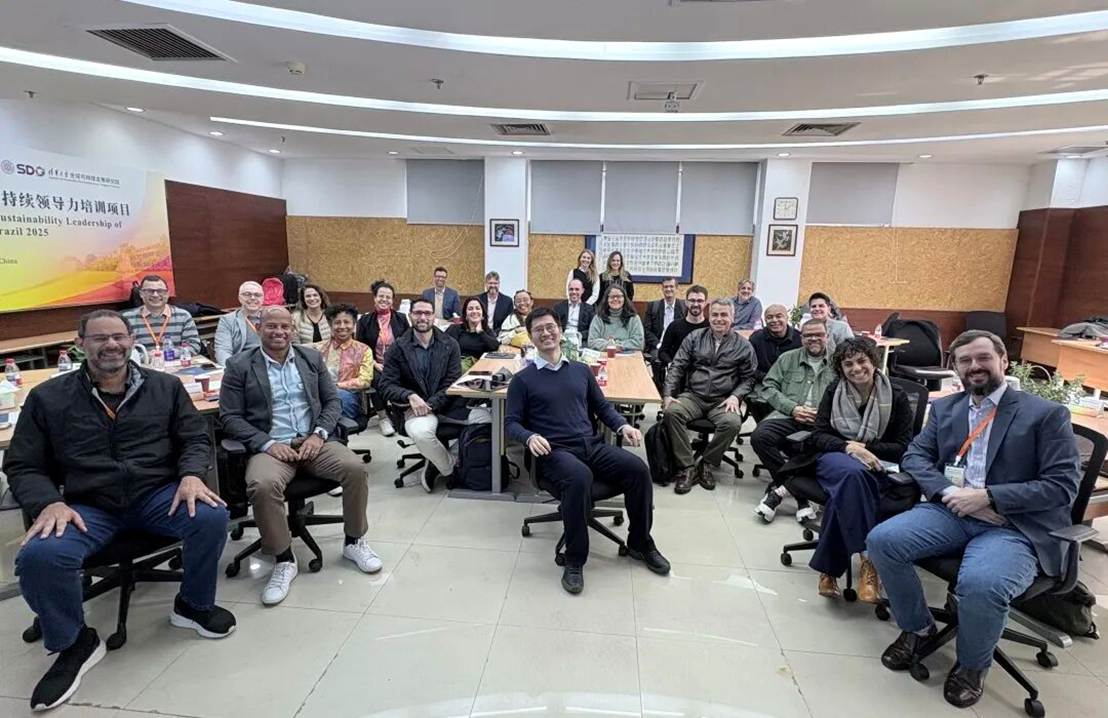
Group photo in class
During the training programme, a series of site visits were specially arranged to enable participants to gain first-hand understanding of China’s practical experience in digital transformation, sustainable development, and public governance. The Brazilian officials visited the Huawei Beijing Executive Brief Center, the Zhongguancun Science City Exhibition Hall, iFlytek, and the Shougang Industrial Park, where they explored China’s achievements and ongoing efforts in artificial intelligence, smart city development, technological innovation, and green transition.
Through immersive learning experiences and interactive exchanges, participants gained first-hand insights into the dynamism and innovative momentum driving China’s advancement in digitalisation and sustainability. These learning engagements have also laid a solid foundation for future collaboration between China and Brazil in the fields of AI innovation and application, digital governance, talent training and sustainability.
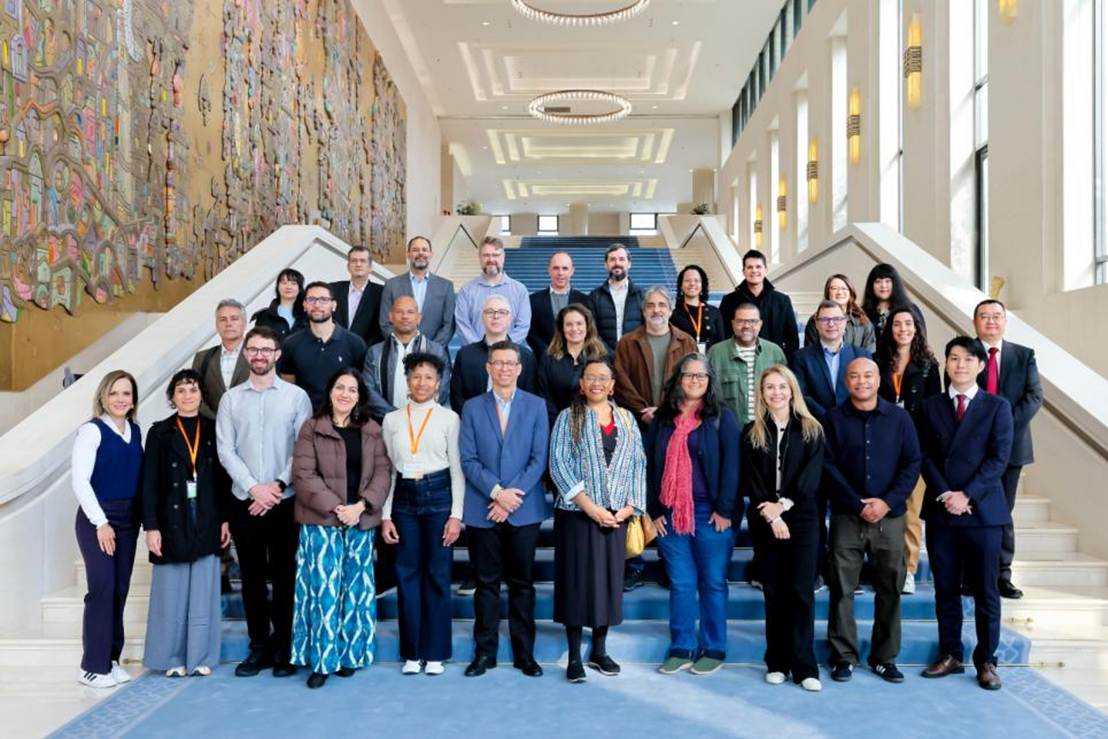
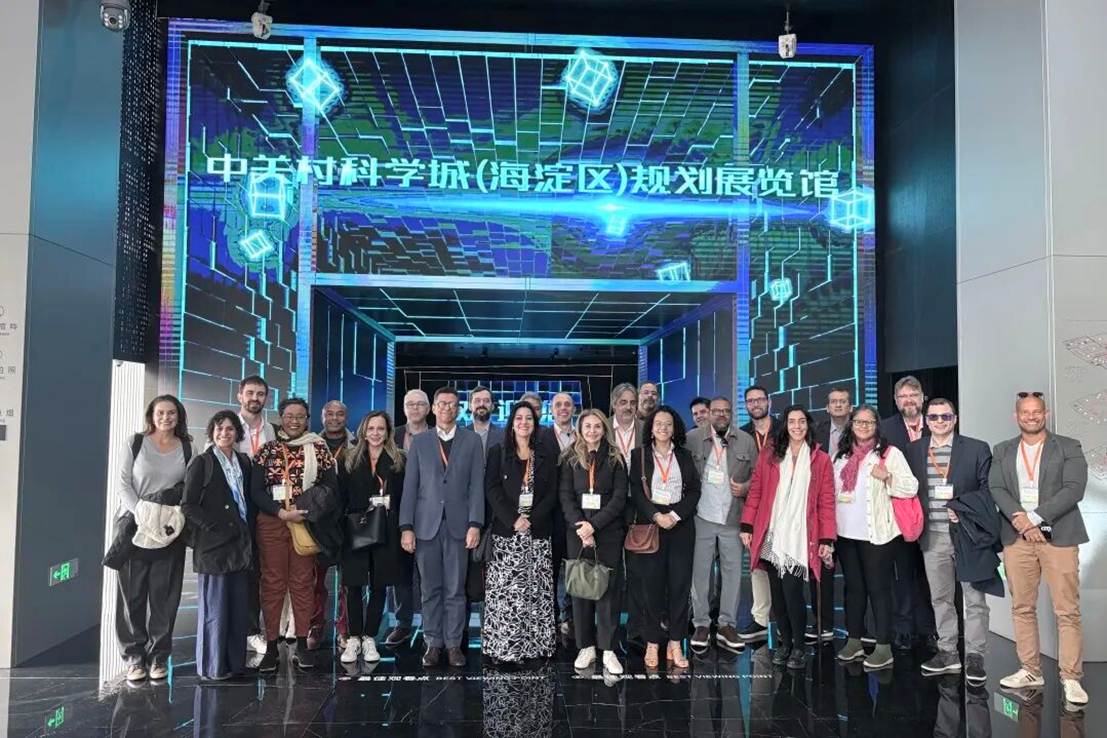
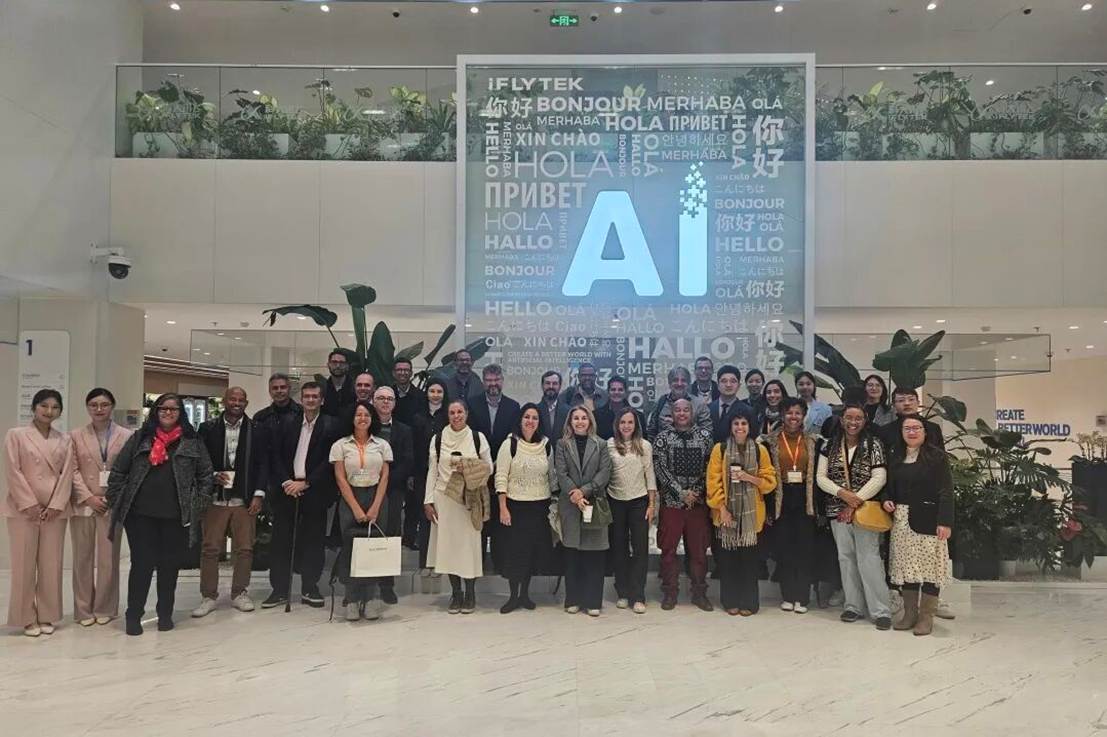
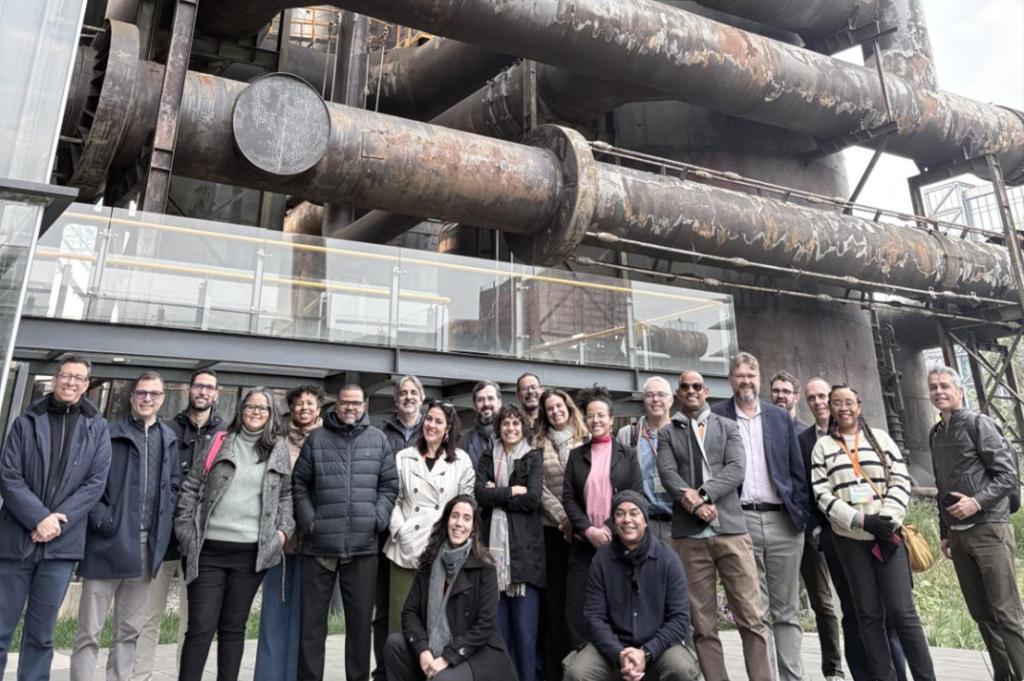
Field visits by Brazilian participants
As a member of both the BRICS and the G20, Brazil plays a pivotal role among the Global South countries and serves as a key driving force for promoting cooperation among emerging economies and advancing global governance reform. In recent years, Brazil has demonstrated strong growth potential in the fields of the digital economy and sustainable development.
As two major developing countries and important emerging economies, China and Brazil have long maintained a comprehensive strategic partnership characterised by mutual trust and friendship. Driven jointly by the Belt and Road Initiative (BRI), Brazil’s “New Industry Plan”, and its Digital Transformation Strategy (E-Digital), bilateral cooperation in economic growth, green transition and digital development has reached new heights. These collaborations are injecting fresh vitality into building a new type of international partnership that is open, inclusive, and mutually beneficial. Under this circumstance, the timely launch of this training programme further strengthens China-Brazil exchanges and cooperation in the fields of digitalisation and sustainable development.
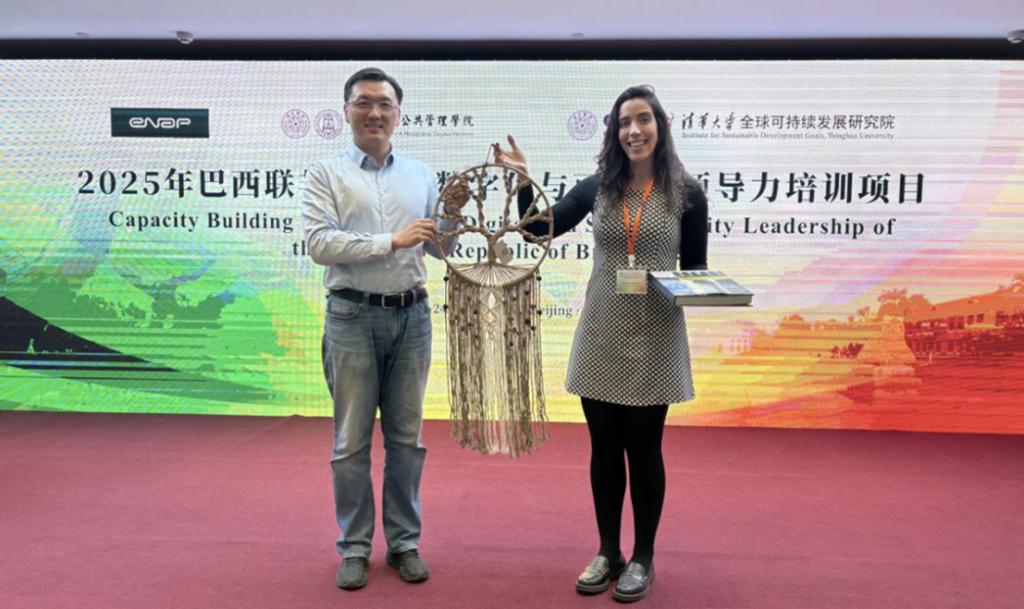
Gift exchange between Tsinghua SPPM and ENAP
In alignment with China’s BRI Initiative, the Global Development Initiative (GDI), and the United Nations 2030 Agenda for Sustainable Development, the Tsinghua SPPM has been dedicated to cultivating public servants globally, while continuously deepening international academic cooperation and high-level talent development.
Since 2019, the Tsinghua SDG Institute has actively supported the international talent cultivation initiatives of Tsinghua SPPM. It has facilitated collaborative programmes between Tsinghua SPPM and governmental institutions in Indonesia, Saudi Arabia, Brazil, and other countries, co-organising a series of high-level executive training programmes. These efforts have cultivated over 500 leaders from government, business, and academia. Through the integration of academic research and executive training, both institutes have contributed to advancing national strategic initiatives, and promoting global public governance and the realization of the SDGs.
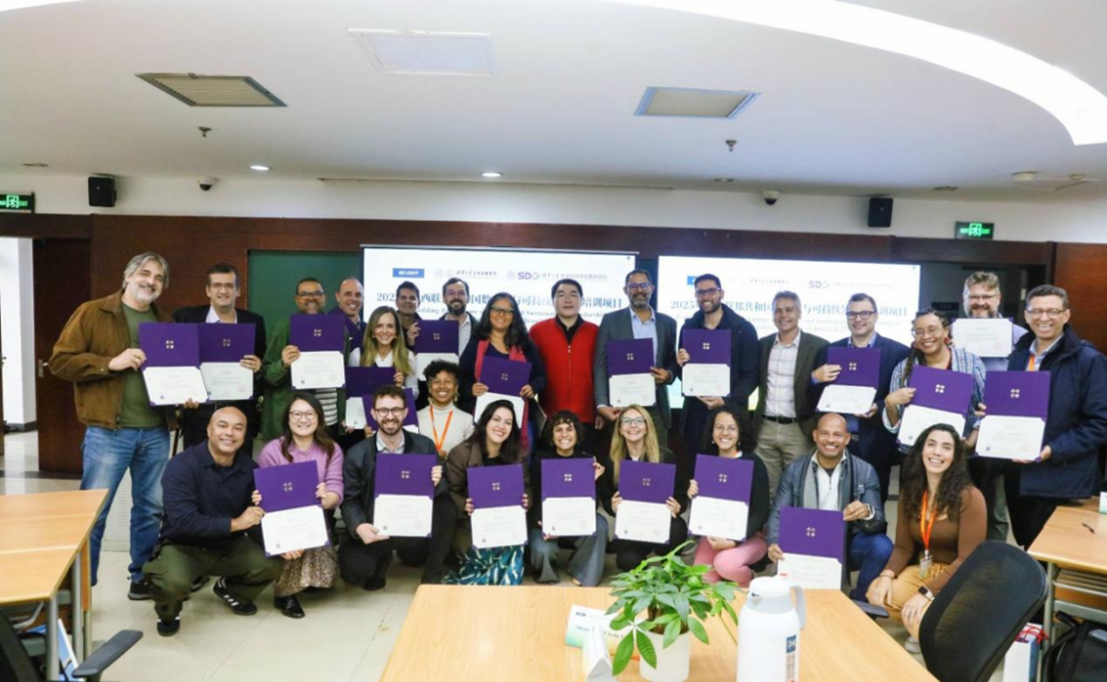
Group photo at the closing ceremony
With the joint efforts of Tsinghua SPPM and the ENAP, the programme was delivered successfully. This marks not only a significant milestone in bilateral cooperation, but also lays a solid foundation for continued exchanges in digital governance and talent development. As the first training collaboration specifically designed for Brazilian officials, the programme provided valuable experience and opened up new opportunities for expanding training and cooperation projects across Latin America in the future.