From November 3 to November 7, 2025, the five-day “Huzhou City Special Seminar on High-Quality Development and Building a Model City for Ecological Civilization” was successfully held at the School of Public Policy and Management, Tsinghua University. The seminar aimed to serve high-quality development, advance the construction of ecological civilization, and strengthen officials’ capabilities in sustainable development. Jointly organized by the Center for International Knowledge on Development (CIKD) and the School of Public Policy and Management at Tsinghua University (Tsinghua SPPM), and co-organized by the Executive Education Center of the School of Public Policy and Management at Tsinghua University and the Institute for Sustainable Development Goals at Tsinghua University (Tsinghua SDG Institute), the event received support from the Reform Office of the Huzhou Municipal Committee (Ecological Civilization Office). Over 30 leading officials from Huzhou municipal departments and districts (counties) participated in the seminar.
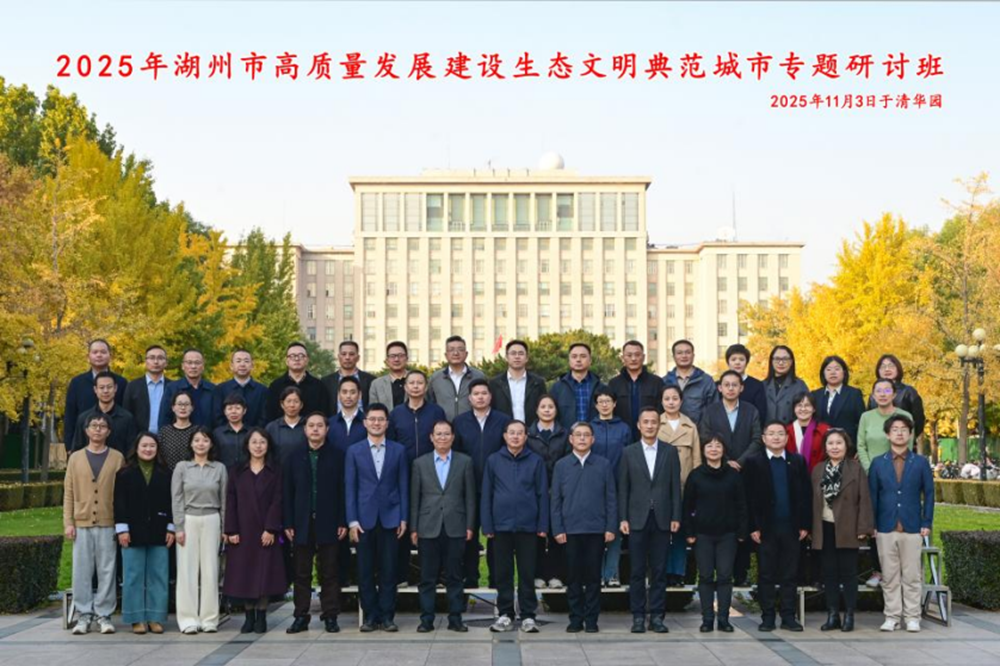
Seminar Group Photo
At the opening ceremony, Wang Jinzhao, Executive Deputy Director of the CIKD, presided over and delivered remarks. He noted that Huzhou is the birthplace and a living practice site of the concept that “lucid waters and lush mountains are invaluable assets.” The city has consistently been guided by ecological civilization construction, taking the lead nationwide in green transformation, urban-rural coordination, and sustainable development. This special seminar represents an important initiative through which CIKD, the Tsinghua SPPM, and the Reform Office of the Huzhou Municipal Committee jointly implement the spirit of General Secretary Xi Jinping’s important instructions on ecological civilization construction. It aims to further enhance the capabilities of Huzhou’s leading officials in promoting high-quality development and broaden their vision for implementing sustainable development through learning that combines theory with practice. He emphasized that CIKD will continue to deepen cooperation with Tsinghua University and Huzhou City, making active contributions to the international interpretation of the “Two Mountains” concept, international research exchanges on theories and practices of green and low-carbon transition, and the promotion of global implementation of the 2030 Agenda for Sustainable Development.
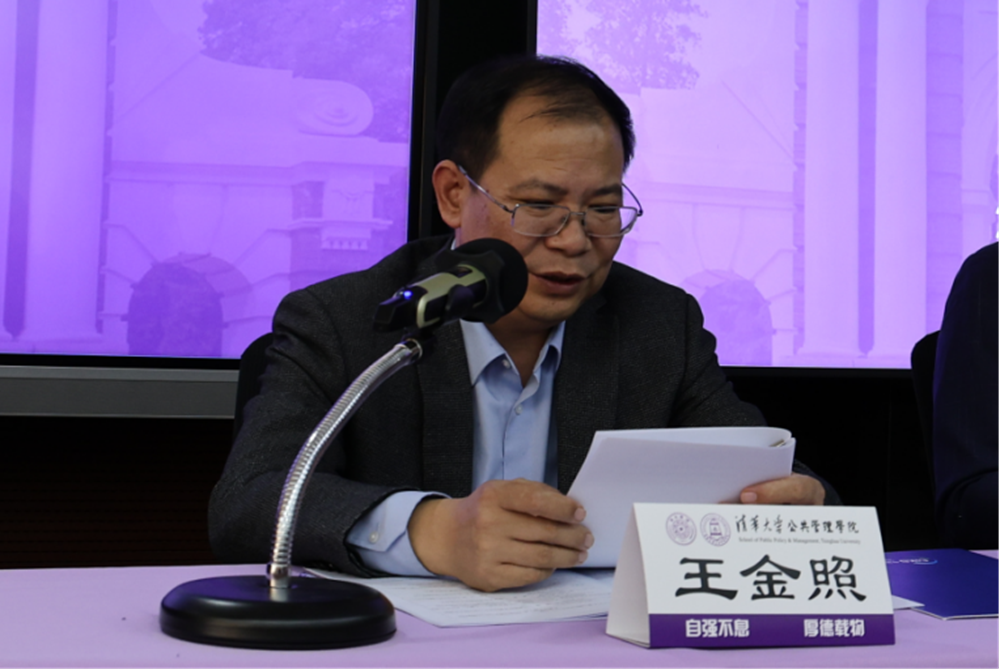
Address by Wang Jinzhao
Zhu Junming, Associate Professor and Associate Dean of the Tsinghua SPPM, and Vice Dean of the Tsinghua SDG Institute, stated in his address that the School and the Institute have long been committed to systematic research on sustainable development and ecological civilization construction, as well as high-level talent cultivation. They continue to work closely with governments at central and local levels to jointly explore practical pathways for building a modernization governance system with Chinese characteristics. Huzhou is the birthplace of the “Two Mountains” concept, a National Innovation Demonstration Zone for the Sustainable Development Agenda, and the country’s first prefecture-level pilot demonstration zone for ecological civilization. These honors not only highlight Huzhou’s urban brand value but also reflect the significant achievements of China’s ecological civilization practice. This training represents both a continuing initiative for Huzhou to steadily advance ecological civilization construction and achieve high-quality development, and a practical exploration of aligning with the United Nations Sustainable Development Goals and deepening sustainable development pathways. Looking ahead, Zhu Junming expressed his hope that the Huzhou experience will provide a replicable and scalable model for other cities in China, while also contributing representative Chinese local practice solutions to global sustainable development.
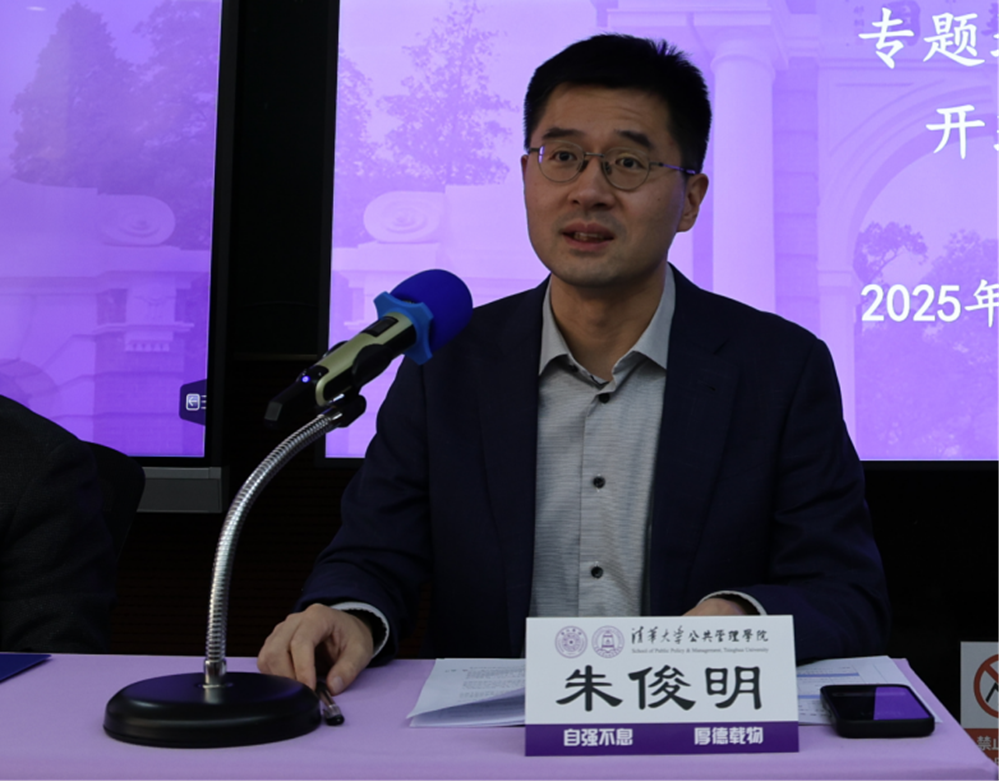
Address by Zhu Junming
Subsequently, Wu Zhiyong, Deputy Secretary of the Huzhou Municipal Party Committee, Chief of the Social Work Department, and Secretary of the Political and Legal Affairs Commission, delivered a mobilization speech. He stated that as the birthplace and practice site of Xi Jinping Thought on Ecological Civilization, Huzhou shoulders the glorious mission of building a model city for ecological civilization. At present, Huzhou is in a critical stage of high-quality development, where ecological civilization construction is both the fundamental path and the core of the city's competitiveness. Holding this seminar at the School of Public Policy and Management at Tsinghua University serves as a valuable opportunity to learn advanced concepts and broaden strategic horizons, as well as an important process to benchmark against first-class standards and deepen self-improvement.
Wu Zhiyong emphasized that the purpose of learning is practice. He hoped that all leading officials would cherish this learning opportunity, settle their minds and focus, and earnestly consider how to translate classroom knowledge into new ideas and measures for driving Huzhou's development, effectively implementing the learning outcomes into ecological civilization construction and various specific tasks. He stated that the Huzhou Municipal Party Committee and Government will, as always, support cadre education and seminar work, continuously strengthen the construction of a learning-oriented government, and constantly improve the ability of leading officials to promote high-quality development. Finally, on behalf of the Huzhou Municipal Party Committee, he expressed heartfelt gratitude to the CIKD and the Tsinghua SPPM for their diligent organization and professional support, and wished the special seminar a fruitful and complete success.
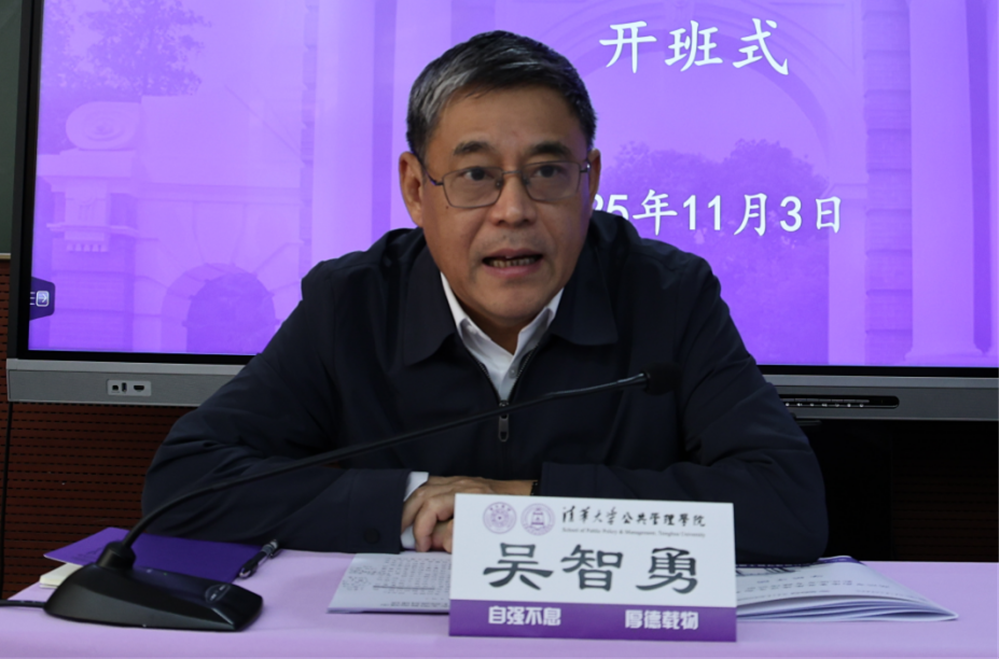
Mobilization Speech by Wu Zhiyong
Themed “High-Quality Development and Building a Model City for Ecological Civilization,” the seminar systematically covered core topics such as the macro-policy orientation of the 15th Five-Year Plan, the UN Sustainable Development Agenda and financing, the realization of the value of ecological products, the construction of the Beautiful China, and low-carbon energy transition. It comprehensively presented China’s policy innovations and practical achievements in advancing ecological civilization construction and achieving high-quality development. By fully integrating Huzhou’s typical experiences in ecological civilization construction and combining special lectures with case studies and field teaching, the seminar helped participants deeply understand the strategic significance of ecological civilization construction in promoting high-quality economic and social development. It enabled them to systematically grasp the internal logic and practical pathways of green transition, innovation-driven development, and sustainable governance, thereby providing useful insights and intellectual support for Huzhou’s efforts to accelerate the construction of a model city for ecological civilization with domestic and international influence. Furthermore, the seminar included visits to the National Green Development Demonstration Zone in Beijing’s Sub-center and the Zhongguancun Science and Technology Planning Exhibition Hall for on-site teaching and field investigations. This offered an in-depth look at Beijing’s advanced experiences in green and low-carbon transition and digital technology innovation. Through this immersive learning experience, Huzhou officials gained a firsthand appreciation of the vivid practice of green development concepts in urban planning, industrial upgrading, and social governance.
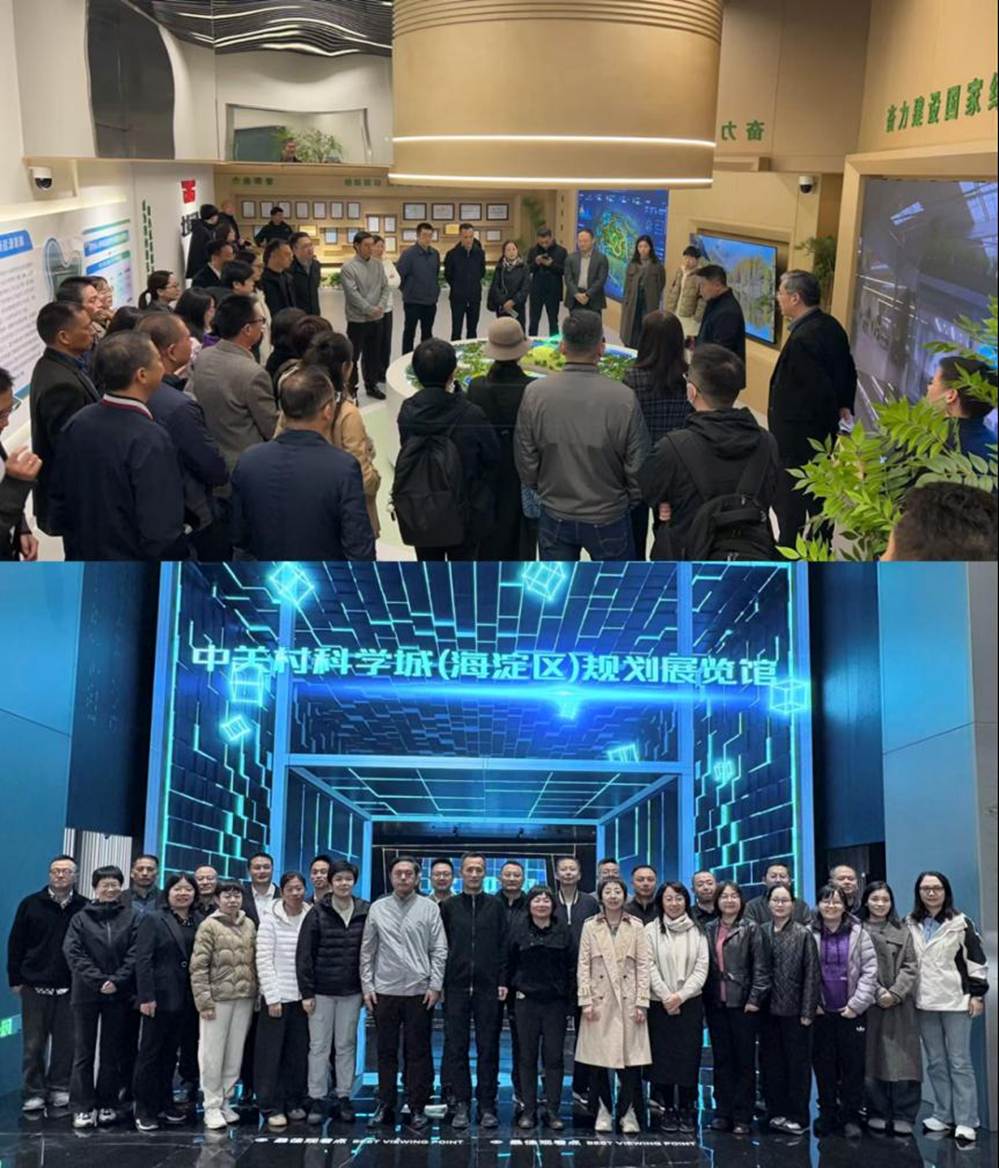
Field Study: National Green Development Demonstration Zone in Beijing Sub-center (Top), Zhongguancun Science and Technology Planning Exhibition Hall (Bottom)
The experts delivering lectures at this seminar included: Wu Xiaohua, former Vice President of the Academy of Macroeconomic Research of the National Development and Reform Commission; Zhou Yu, Deputy Director of the Comprehensive Research Department at the CIKD; Li Zhong, Deputy Director of the Energy Research Institute of the National Development and Reform Commission; Violante di Canossa, Chief Economist at the United Nations Development Programme (UNDP); Yu Hai, Deputy Director of the Research Center for Xi Jinping Thought on Ecological Civilization and the Policy Research Center for Environment and Economy of the Ministry of Ecology and Environment; and Tian Zhiyu, Director of the Center for Energy Sustainable Development Research of the National Development and Reform Commission.
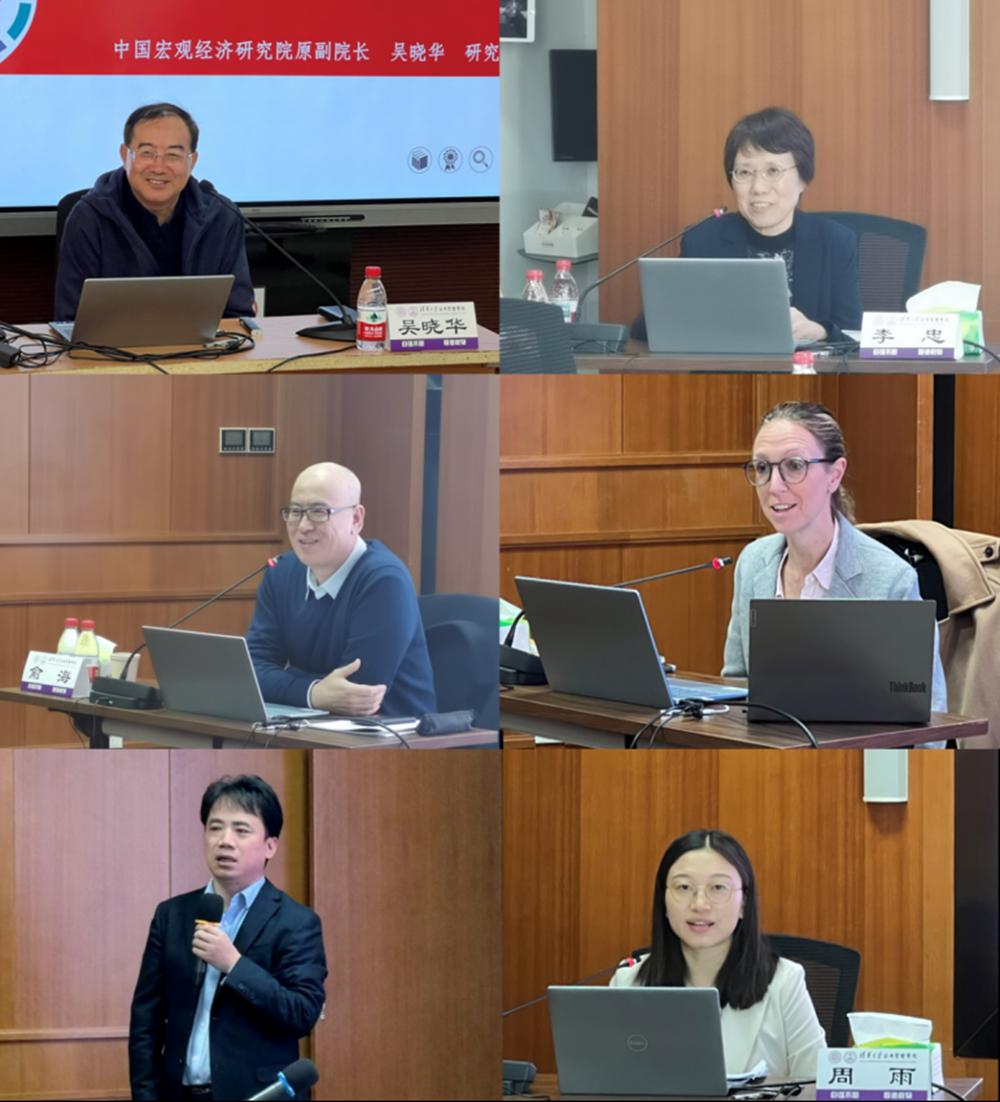
(From left to right, top to bottom) The instructors are: Wu Xiaohua, Li Zhong, Yu Hai, Violante di Canossa, Tian Zhiyu, Zhou Yu
Huzhou is located in the central region of the Yangtze River Delta, serving as a common hinterland for Shanghai, Hangzhou, and Nanjing. Over the years, it has steadfastly practiced the “Two Mountains” concept, transforming ecological advantages into development strengths and green resources into economic resources, thus taking the lead nationwide in the journey of ecological civilization construction and high-quality development. As a prefecture-level city with full coverage of national ecological civilization construction demonstration zones in its urban areas, districts, and counties, Huzhou firmly implements the “Three Major Strategies”: establishing the city through ecological civilization, strengthening the city through innovation and development, and revitalizing the city through reform and opening-up. It is committed to building a model city for ecological civilization at a high level, striving to become an integrated, concentrated, and classic embodiment of a Beautiful China, and continuously exploring new paths where economic development is coordinated with ecological protection and humans live in harmony with nature.
At present, Huzhou is in a critical stage of developing new quality productive forces tailored to local conditions. It faces major tasks such as synergizing pollution reduction and carbon reduction, transforming the energy structure, iterating the ecological civilization institutional system, and carrying out international cooperation. Closely aligned with the practical needs and development directions of Huzhou in the process of building a model city for ecological civilization, this seminar guided leading officials to deeply study the concepts, pathways, and methods of ecological civilization construction. It deepened their understanding of the internal logic between the “Two Mountains” concept and high-quality development, providing theoretical support and intellectual backing for Huzhou to further improve its ecological civilization institutional system and create a model city for green and low-carbon practices.
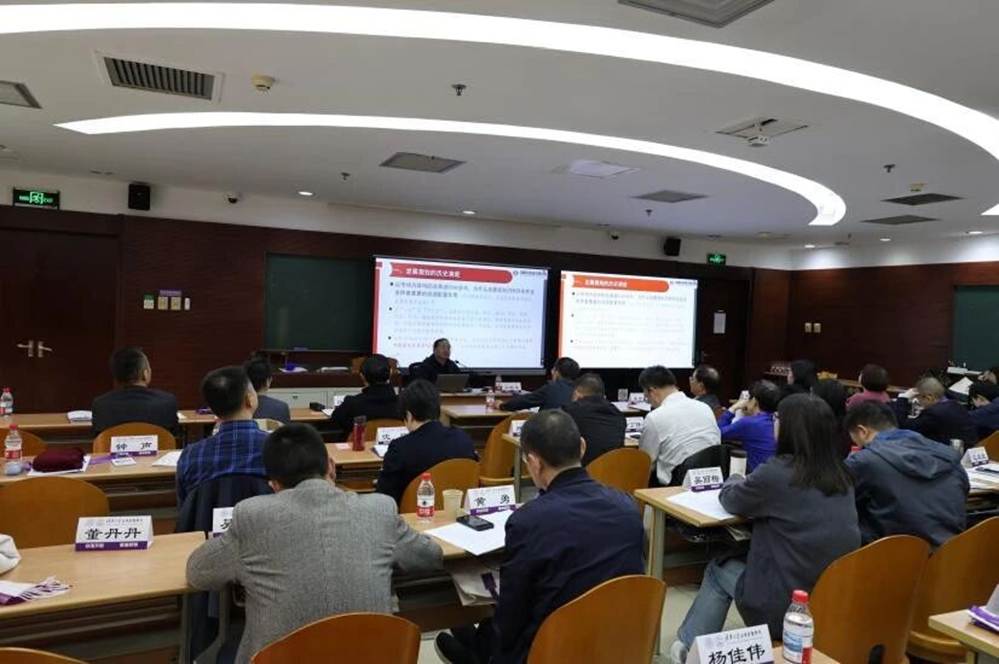
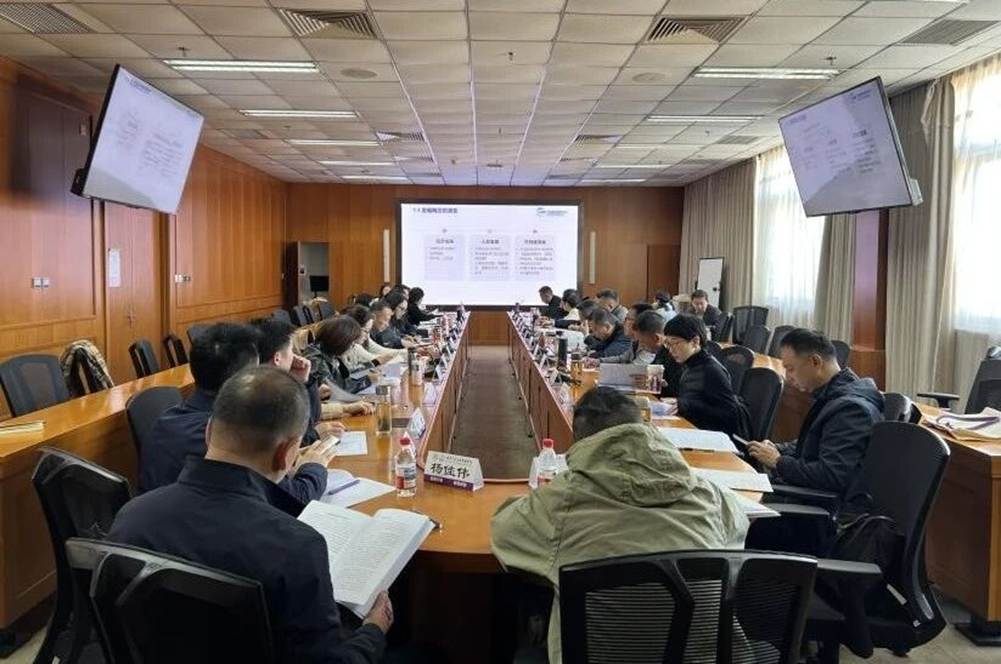
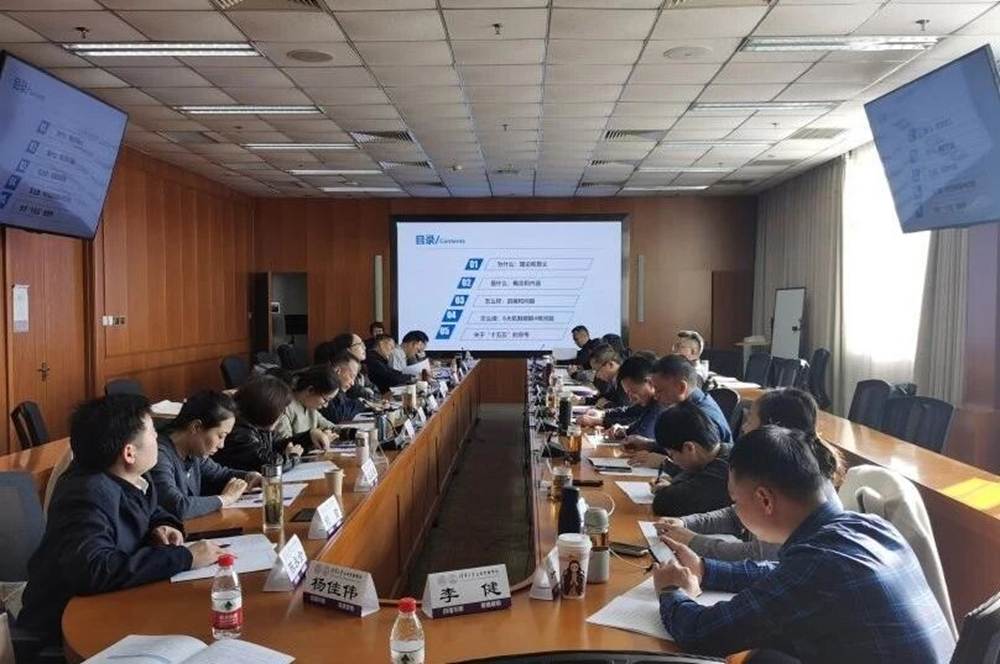
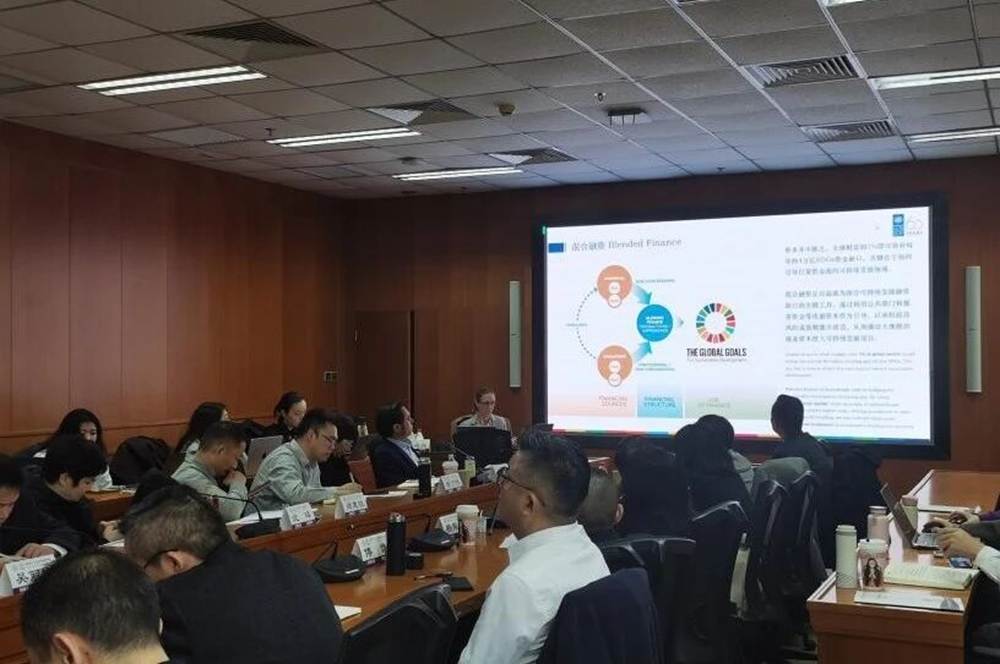
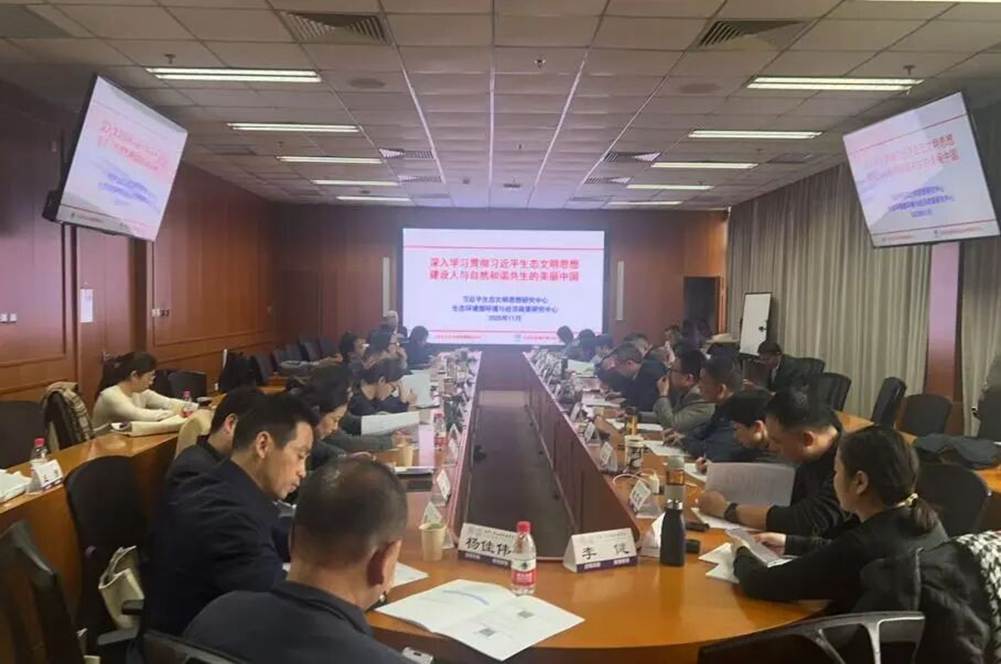
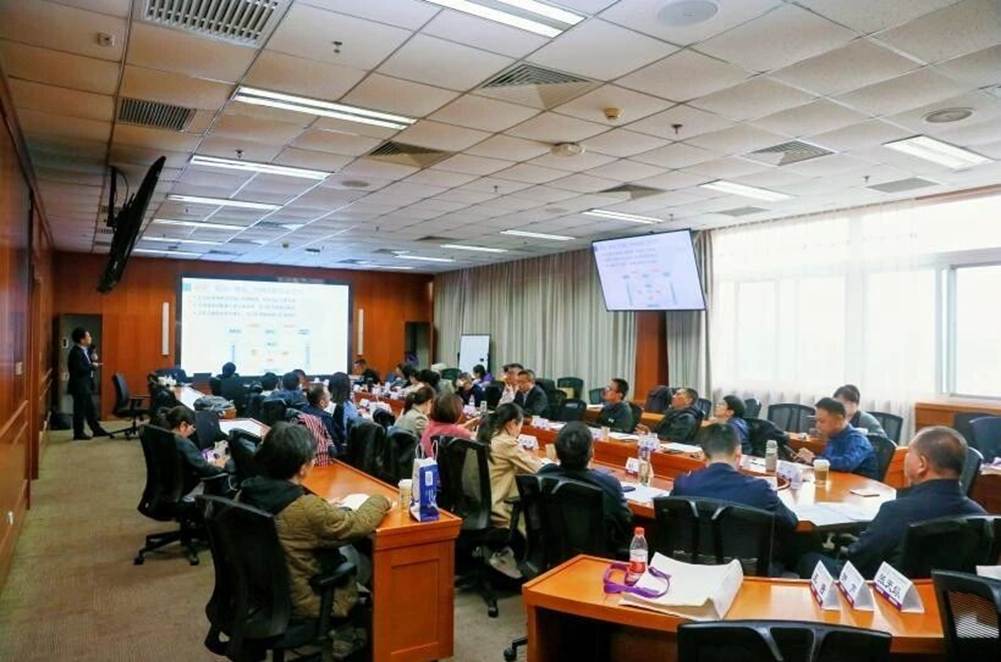
Photos of the Instruction Sessions
At the closing ceremony held on the morning of November 7, Zhang Jin, Deputy Director of the CIKD, delivered remarks on behalf of the organizers. She noted that the five-day seminar had successfully completed all its learning tasks. With distinctive themes, substantial content, and diverse formats—ranging from macro-policy interpretation and the broadening of international horizons to field studies on green development and digital technology—the seminar achieved excellent results in integrating learning, reflection, practice, and realization. She spoke highly of the rigorous academic atmosphere and exemplary conduct demonstrated by the Huzhou participants during the training, stating that the Huzhou cadre team possesses strong political qualities, a serious attitude towards learning, and active engagement in exchanges, fully reflecting the style and sense of responsibility of cadres from the birthplace of the “Two Mountains” concept. Zhang Jin emphasized that this training serves as both a new starting point for deepening cooperation and a new beginning for promoting practice. She expressed her hope that the participants would integrate what they have learned into their actual work, continue to innovate in promoting green development and common prosperity as well as ecological protection and value realization, and contribute wisdom and strength to accelerating the construction of a model city for ecological civilization, advancing Chinese modernization, and facilitating global green and low-carbon transition. The closing ceremony was presided over by Zhang Yanbing, Director of the Executive Education Center at the School of Public Policy and Management, Tsinghua University.
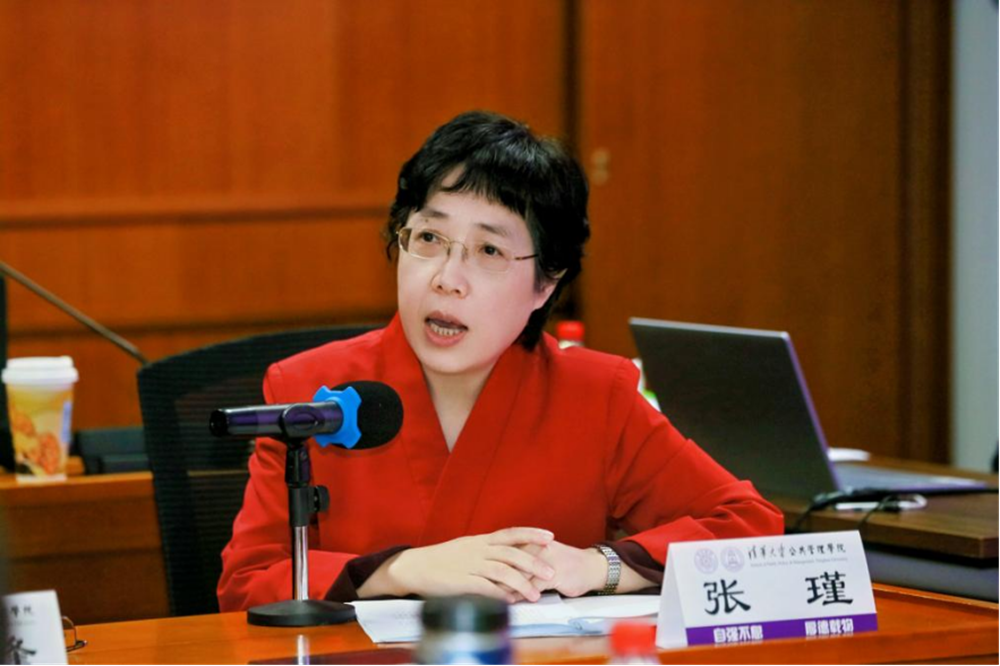
Address by Zhang Jin at the Closing Ceremony
The successful convening of this special seminar marks another important collaborative practice between the CIKD and the Tsinghua SPPM in serving national strategies and promoting high-quality local development. Since 2019, the Tsinghua SDG Institute has actively participated in the School’s domestic and international high-level talent cultivation work, continuously supporting the School in jointly conducting high-end training programs with domestic and foreign central state-owned enterprises and local governments. Partnering organizations include the State Grid Corporation of China, the Reform Office of the Huzhou Municipal Party Committee (Ecological Civilization Office), and government agencies in countries such as Indonesia, Saudi Arabia, and Brazil, forming a systematic and professional talent cultivation system. This seminar further expands the teaching practice of the SPPM in the fields of ecological civilization construction and regional sustainable development. It not only provides strong support for deepening the implementation of the “Two Mountains” concept, enhancing the governance capabilities of local cadres, and disseminating green development concepts, but also contributes new academic strength and intellectual achievements to the process of Chinese modernization.