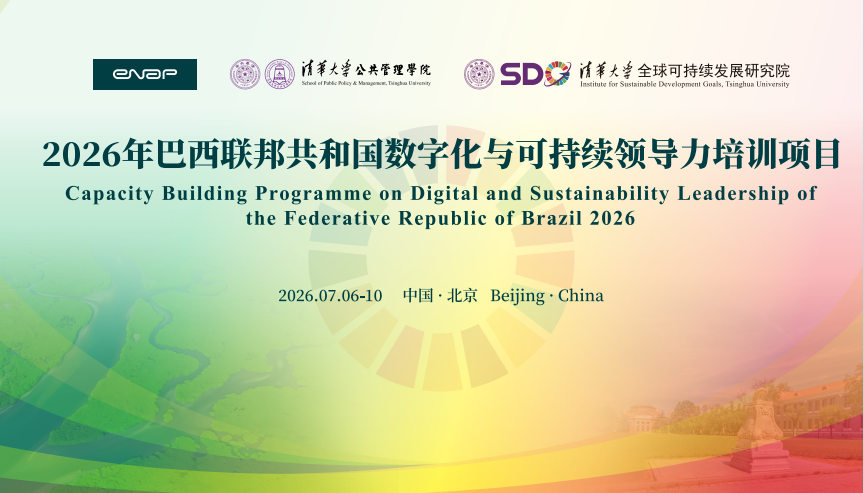
From July 6 to 10, 2026, the Capacity Building Programme on Digital and Sustainability Leadership of the Federative Republic of Brazil 2026 was successfully held at the School of Public Policy and Management, Tsinghua University. The programme was jointly organized by the Escola Nacional de Administração Pública (ENAP) of Brazil and the School of Public Policy and Management, Tsinghua University (Tsinghua SPPM), and co-organized by the Institute for Sustainable Development Goals, Tsinghua University (Tsinghua SDG Institute) and the Executive Education Center of Tsinghua SPPM.
A total of 30 senior leaders from the Brazilian federal government participated in the programme. The participants mainly came from seven federal ministries and affiliated institutions, including the Ministry of Management and Innovation in Public Services, the Ministry of Racial Equality, the Federal Police, the National Telecommunications Agency (ANATEL), the Superintendence of Private Insurance (SUSEP), the Oswaldo Cruz Foundation (Fiocruz), and the Escola Nacional de Administração Pública (ENAP).
At the opening ceremony held on July 7, Professor Zhu Xufeng, Dean of Tsinghua SPPM and Executive Dean of Tsinghua SDG Institute, extended a warm welcome to all Brazilian participants. Professor Zhu noted that China and Brazil are both developing countries, BRICS members, and important members of the Global South. In recent years, bilateral relations between the two countries have continued to deepen. President Luiz Inácio Lula da Silva has visited China on multiple occasions, promoting cooperation between the two countries in areas including trade, infrastructure development, green development, the digital economy, and sustainable development. Building upon this foundation, during the celebration of Tsinghua University’s 115th anniversary in April 2026, witnessed by Peng Gang, Vice President of Tsinghua University, Esther Dweck, Minister of Management and Innovation in Public Services of Brazil, and Marcos Galvão, Ambassador of Brazil to China, Tsinghua SPPM and ENAP signed a Memorandum of Understanding (MoU), launching a five-year cooperation framework for academic exchange and capacity building. Professor Zhu emphasized that this training programme represents a concrete action to implement the shared vision established through the MoU and further advance cooperation between China and Brazil in public administration education and sustainable development.
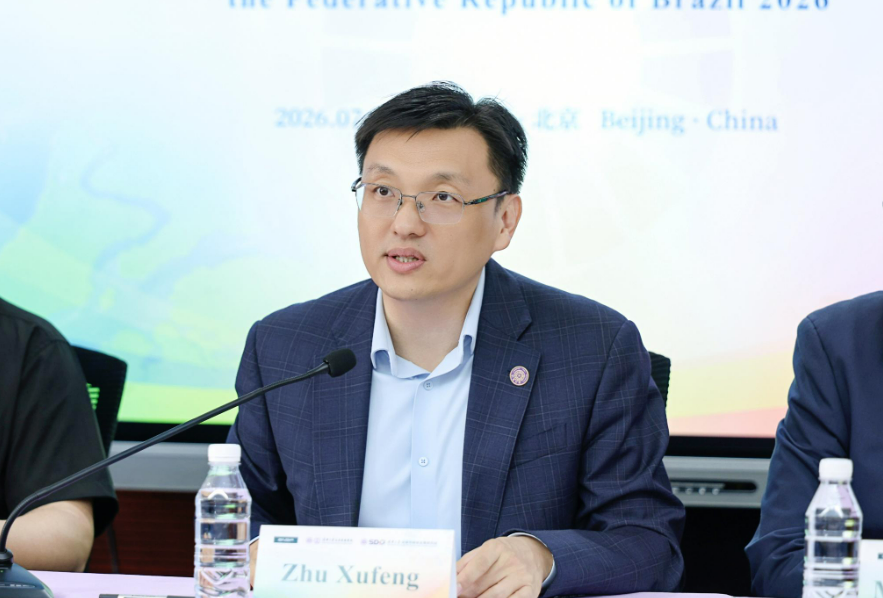
[Remarks by Professor Zhu Xufeng]
Afterwards, Marcos Galvão, Ambassador of Brazil to China, reviewed the strong foundation of economic and trade relations between China and Brazil. He highlighted that since 2009, China has remained Brazil’s largest trading partner for 17 consecutive years, and the two countries have developed extensive cooperation in trade, investment, infrastructure development, and other fields. The Ambassador particularly noted that during the global financial crisis of 2008–2009, close economic and trade relations between China and Brazil played an important role in helping Brazil overcome challenges at that time. He emphasized that China-Brazil cooperation has always been a process of mutual learning. Despite differences in political systems and administrative structures, the two countries share a common goal in public service: improving the quality of life for their people. Ambassador Galvão expressed his hope that through this training programme, China and Brazil would further strengthen exchanges of experience in digital governance and sustainable development, and work together to address future development challenges.
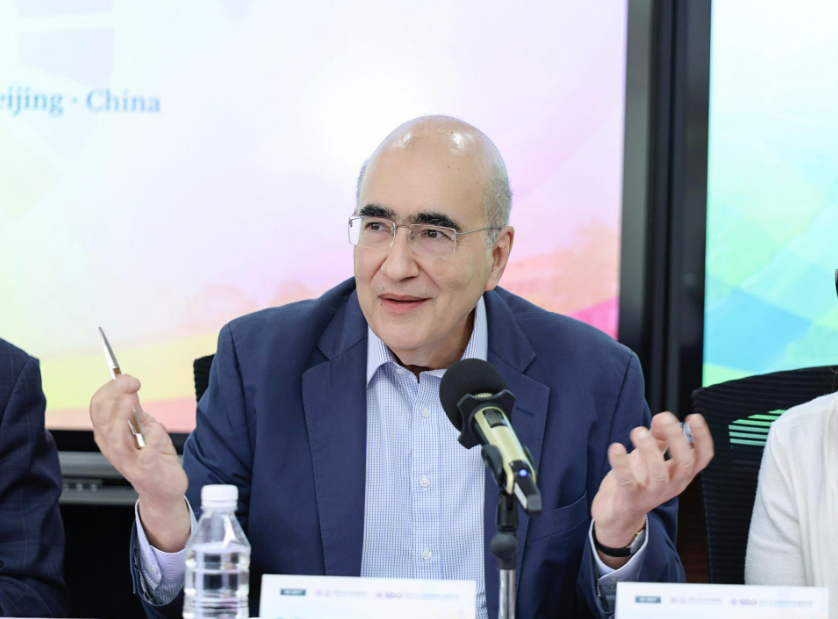
[Remarks by Marcos Galvão]
Cecilia Lariú, Coordinator of the Center for Leadership Development of ENAP, expressed sincere appreciation for the careful preparation and support provided by Tsinghua University’s organizing teams. She stated that the programme represents an important continuation of the cooperation between ENAP and Tsinghua SPPM. She noted that the training programme not only provided Brazilian participants with opportunities to learn from leading Chinese experts in areas such as the digital economy, artificial intelligence, and sustainable development, but also helped participants gain a deeper understanding of China’s national context, particularly the foundations behind China’s governance philosophy, public policies, and administrative practices. She emphasized that building government leadership requires not only professional knowledge, but also curiosity, cultural understanding, and an open mindset for continuous learning. She encouraged all participants to cherish this opportunity, actively engage in discussions, and apply the knowledge gained from the programme to their practical work in Brazil.
The opening ceremony was moderated by Zhang Yanbing, Executive Education Center of Tsinghua SPPM.
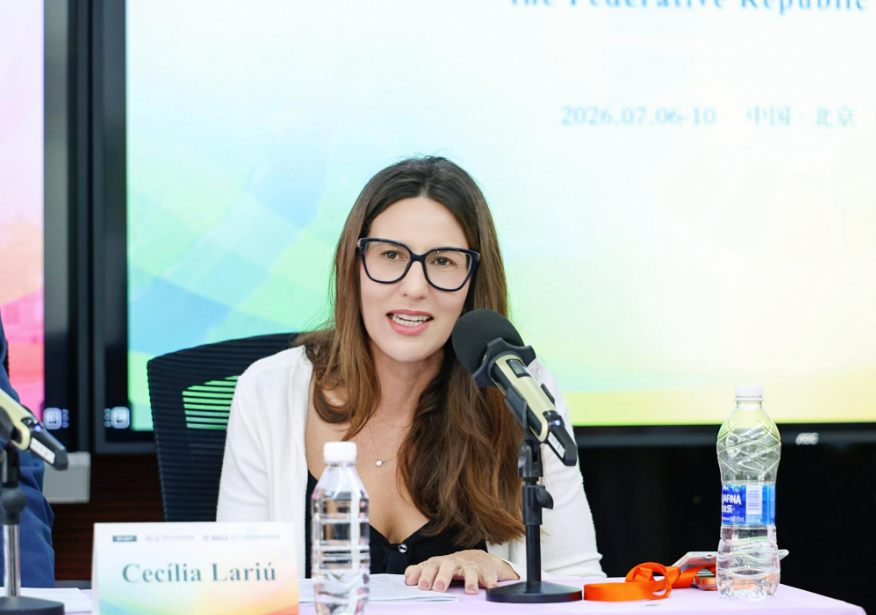
[Remarks by Cecilia Lariú]
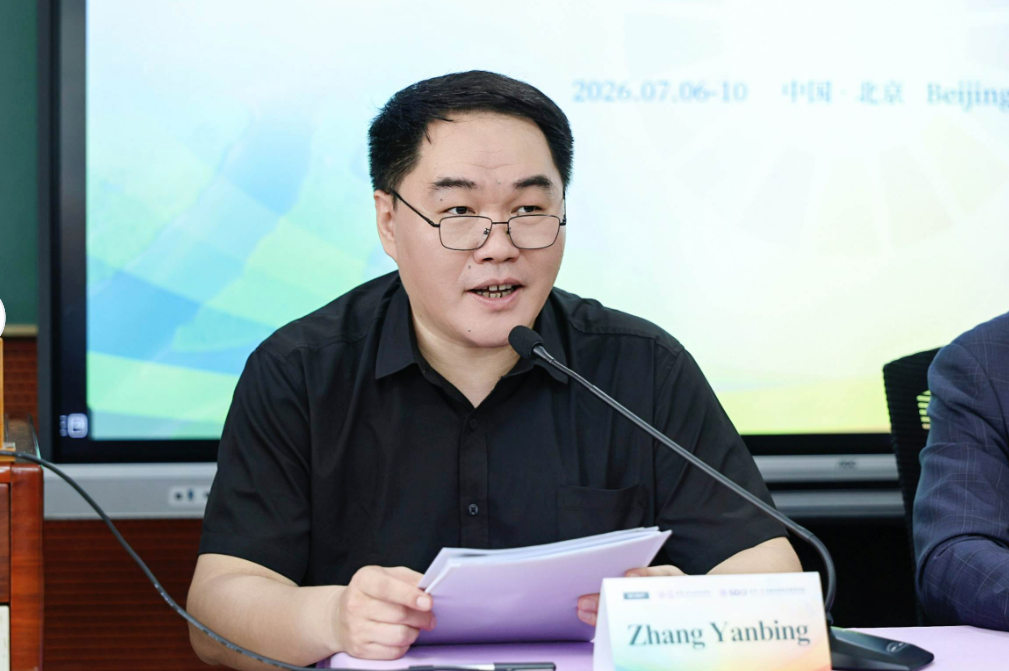
[Opening Ceremony Hosted by Zhang Yanbing]
The five-day training programme covered key areas including Chinese history and culture, the digital economy, digital industries, the development of artificial intelligence, digital governance, public service innovation, and sustainable development. The programme adopted a diverse range of teaching methods, including theoretical instruction, case studies, and field visits. It explored in depth how China has integrated digital technologies with public governance systems in the process of digital transformation, with the aim of advancing the achievement of the Sustainable Development Goals (SDGs).
The programme brought together a distinguished group of experts and scholars, including Jiang Xiaojuan, Professor, University of Chinese Academy of Social Sciences, former Dean, Tsinghua SPPM, and former Deputy Secretary-General, State Council; Siddharth Chatterjee, Distinguished Visiting Professor, Tsinghua University, former UN Resident Coordinator in China; Zhu Songchun, Founding Director, Beijing Institute for General Artificial Intelligence, Dean, Institute for Artificial Intelligence and School of Intelligence Science and Technology, Peking University, Chair Professor, Tsinghua University; Li Yingbo, Professor & Deputy Director, Institute for International Development and Global Governance, Tsinghua SPPM; Yin Chengzhi, Associate Professor & Deputy Secretary of the CPC Committee, Tsinghua SPPM. The training programme not only provided a platform for mutual learning and exchange between public-sector professionals from China and Brazil, but also offered new perspectives for advancing collaborative innovation among countries of the Global South in digital governance and sustainable development.
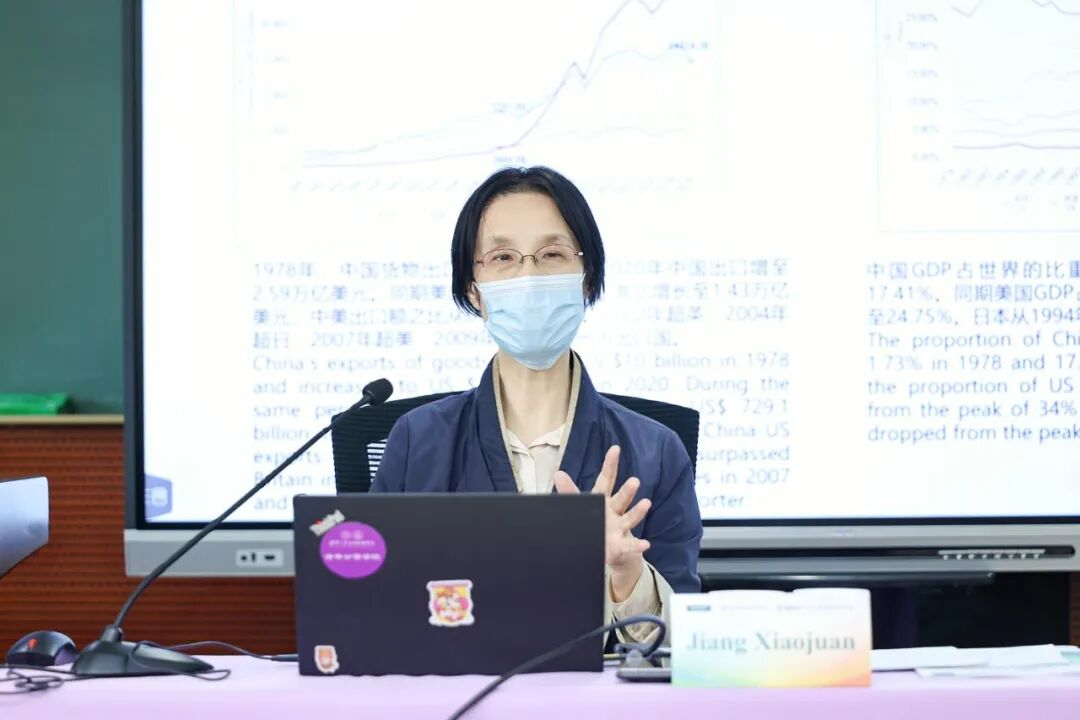
[Professor Jiang Xiaojuan]
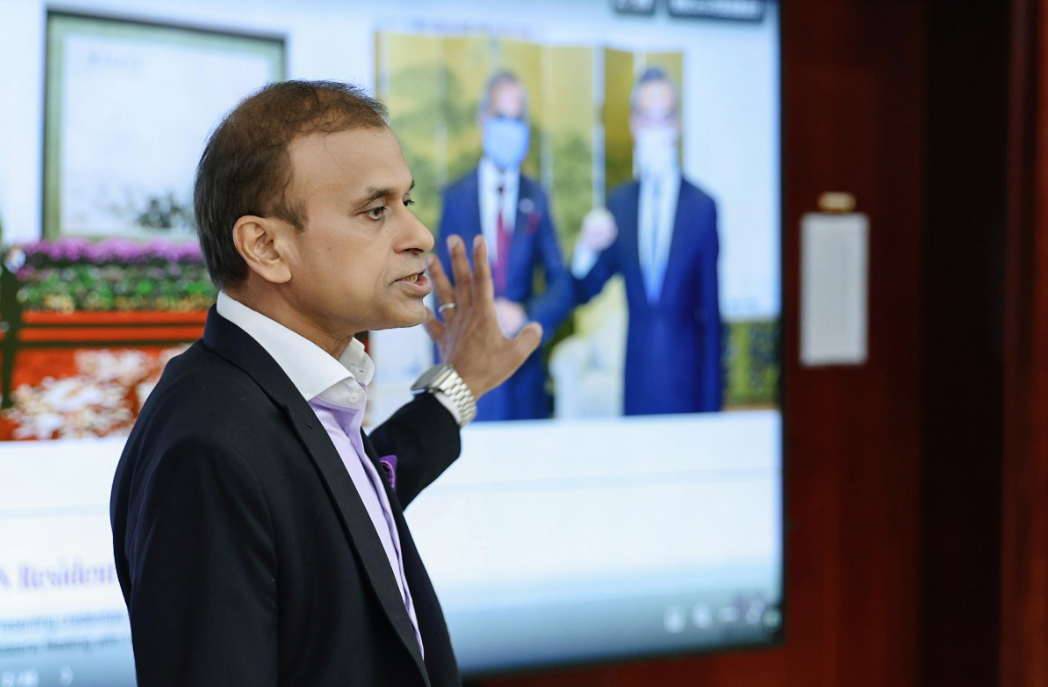
[Professor Siddharth Chatterjee]
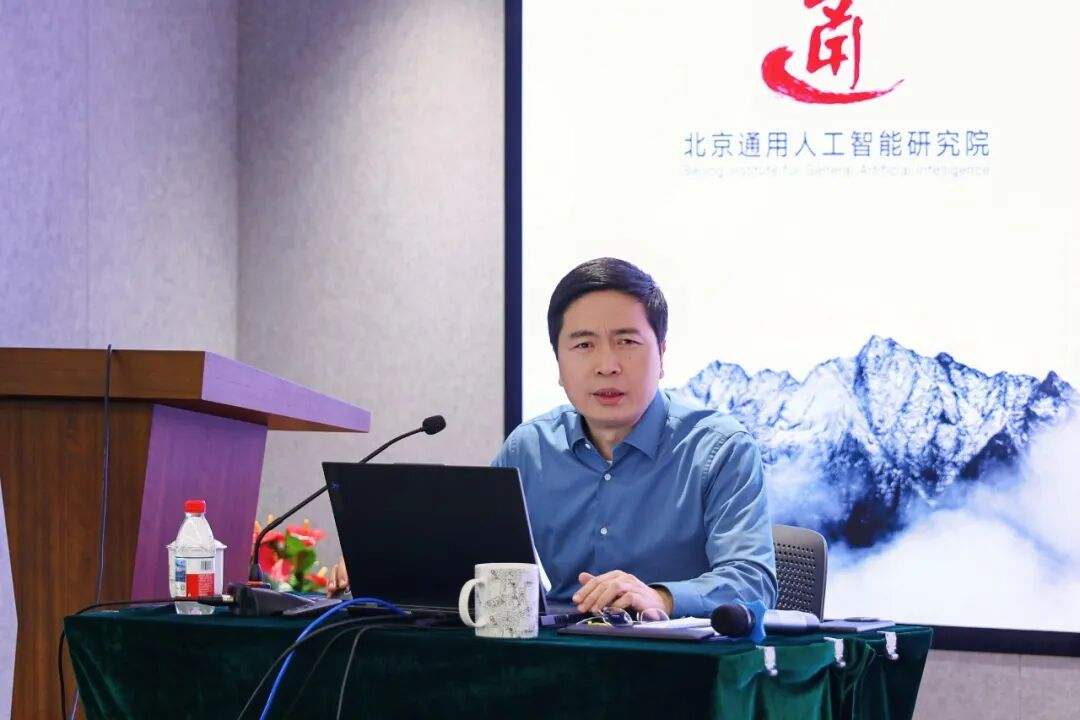
[Professor Zhu Songchun]
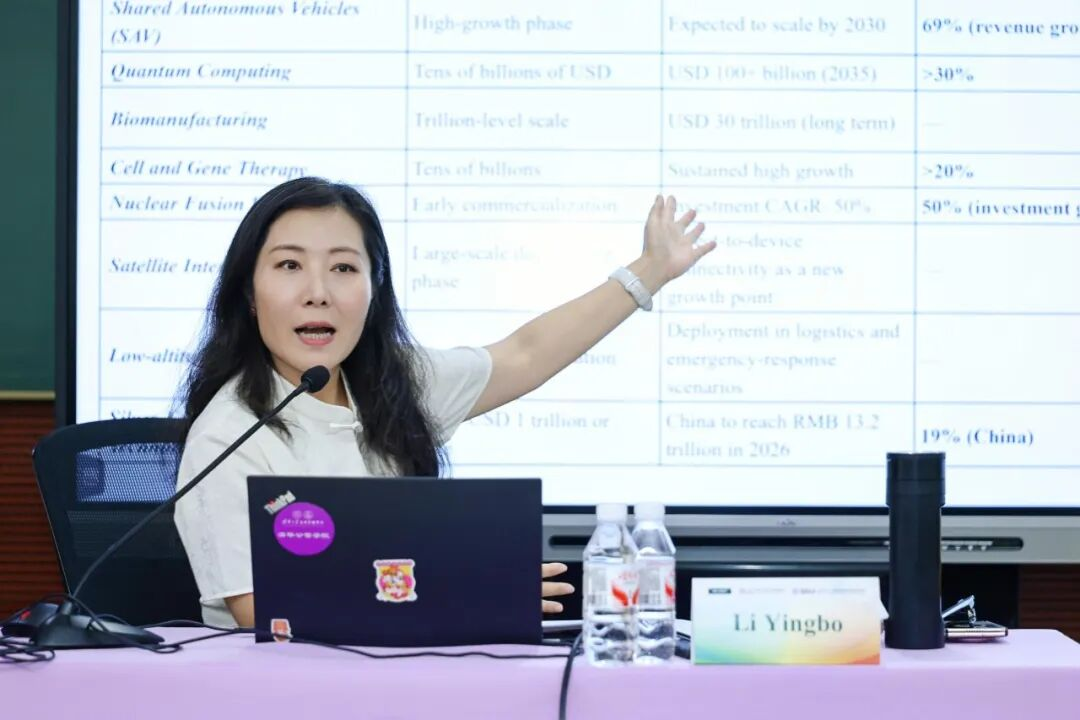
[Professor Li Yingbo]
[Associate Professor Yin Chengzhi]
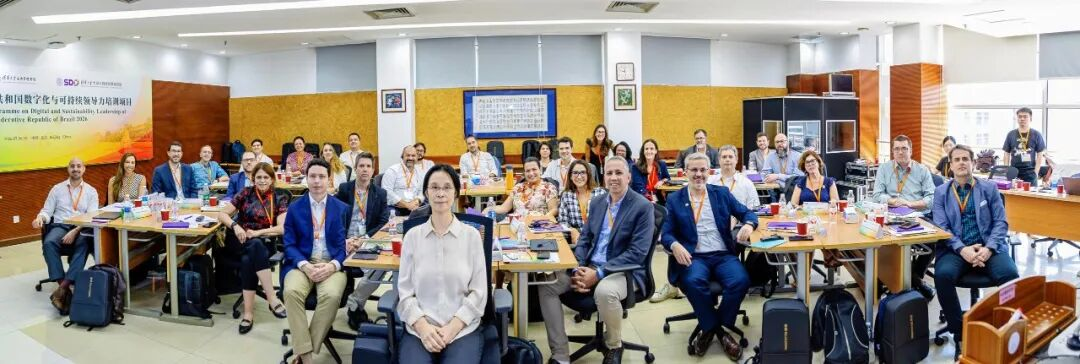
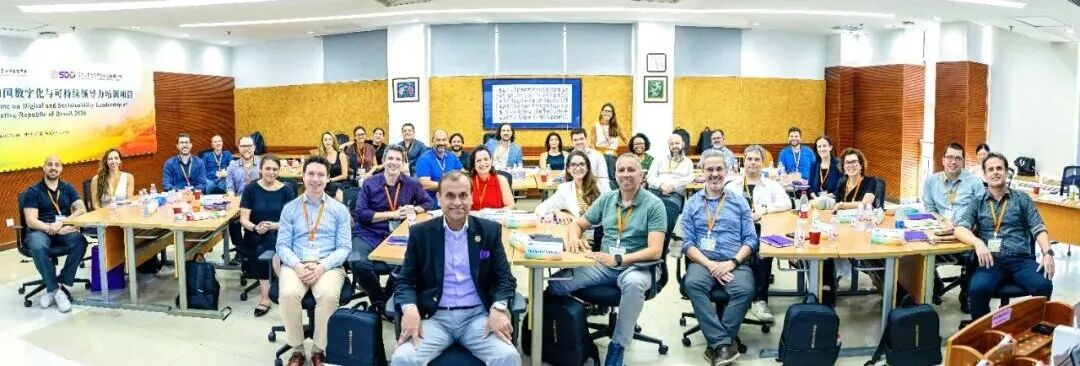
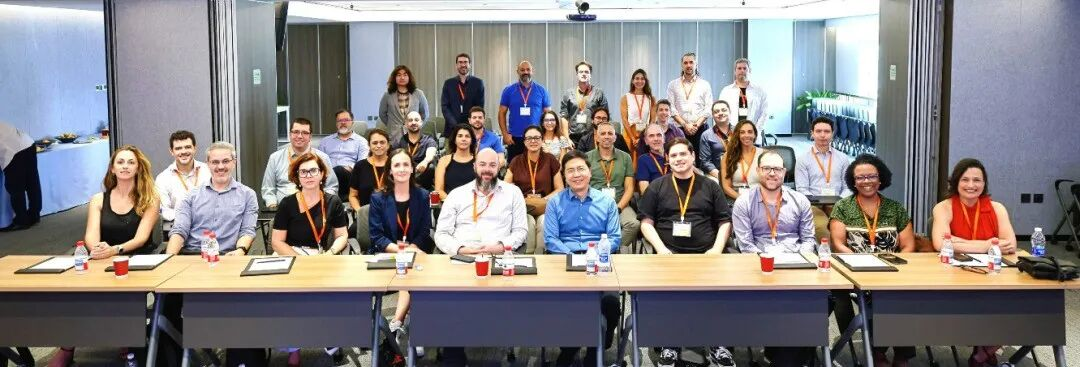
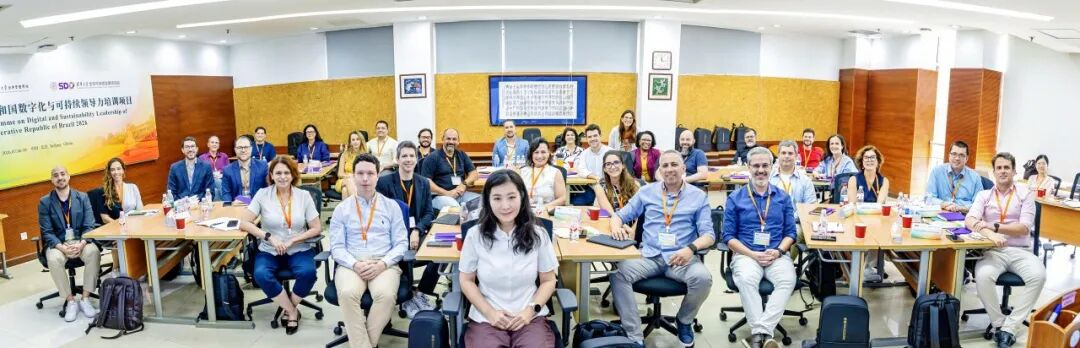
[Class Group Photo]
To enable participants to gain a deeper understanding of Chinese history and culture, China’s governance philosophy, as well as practical experience in digital transformation, sustainable development, and public governance, the programme featured a rich series of carefully designed field visits.
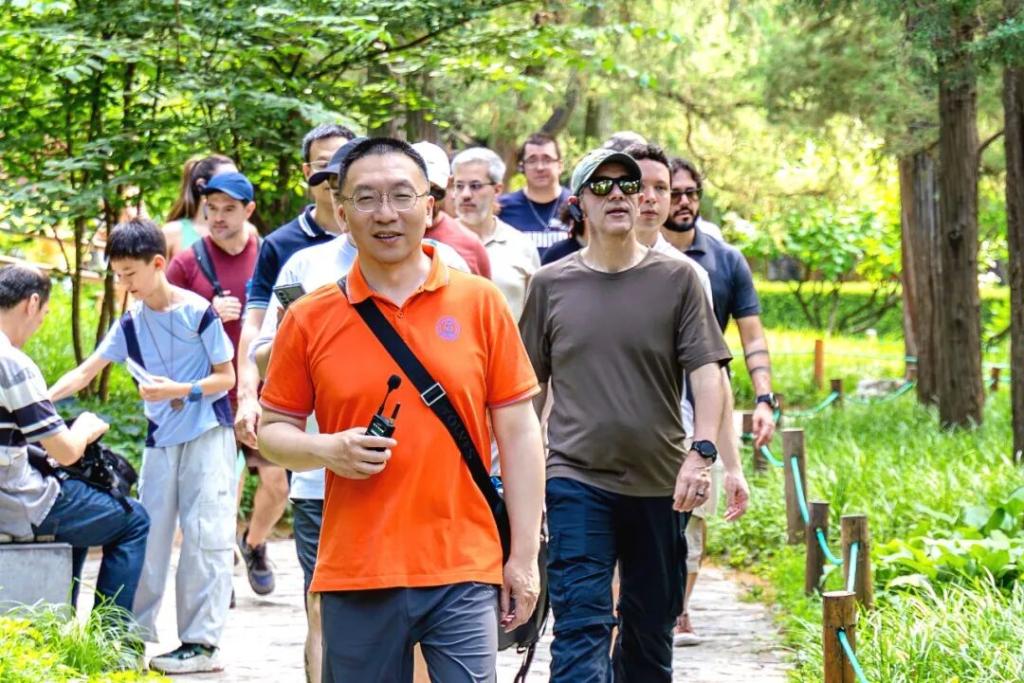
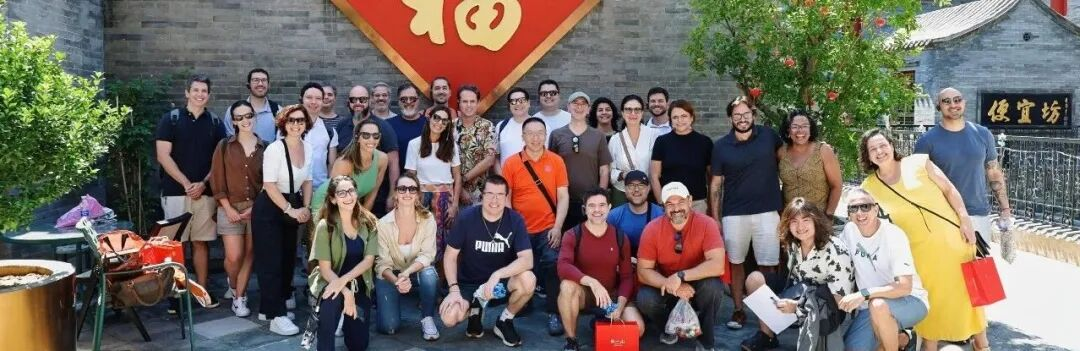
The Brazilian participants visited Beijing Dashilar (Dazhalan) Street, where they experienced the integration of China’s modern civilizational development with its traditional culture. They also visited the technology innovation company Lark, gaining a comprehensive understanding of innovative practices in areas including digital platform applications and data security. At the Beijing 12345 Citizen Service Hotline Center, the participants experienced China’s innovative approach to smart city governance and public service delivery, including the “Immediate Response to Public Complaints” mechanism, which emphasizes prompt responses and coordinated action to address citizens’ concerns. The participants also visited the Beijing Institute for General Artificial Intelligence, where they discussed cutting-edge developments in key technologies for embodied intelligence and the future of human-machine coexistence. At Alibaba Group, they learned about application scenarios involving cloud computing infrastructure services. Through this series of field visits, the participants gained a firsthand understanding of how China’s development and governance achievements are deeply rooted in its long history, rich traditions, and profound cultural heritage. At the same time, they experienced the vitality and innovative momentum driving China’s digital transformation and sustainable development. These experiences also laid a solid foundation for future cooperation between China and Brazil in areas including cultural exchange, science and technology education, and sustainable governance.
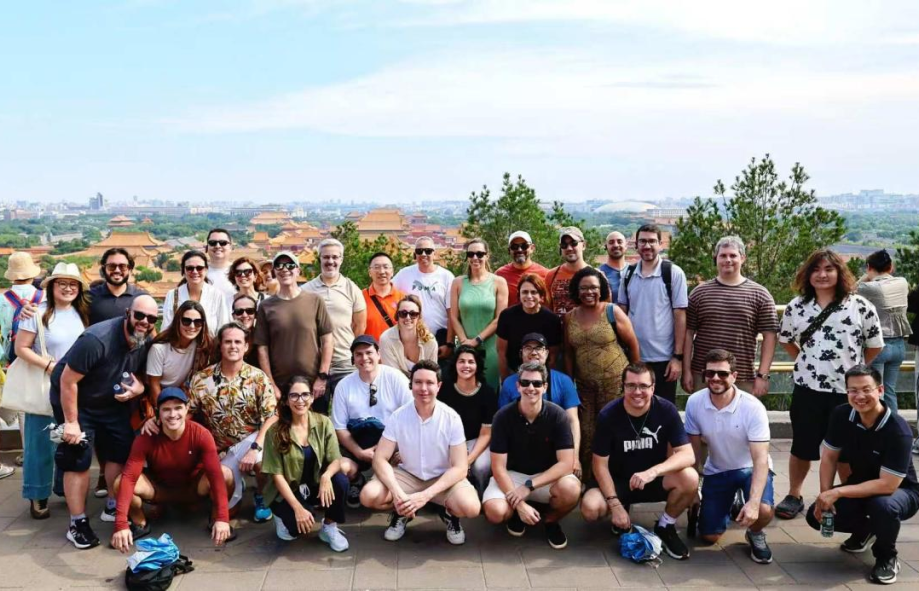
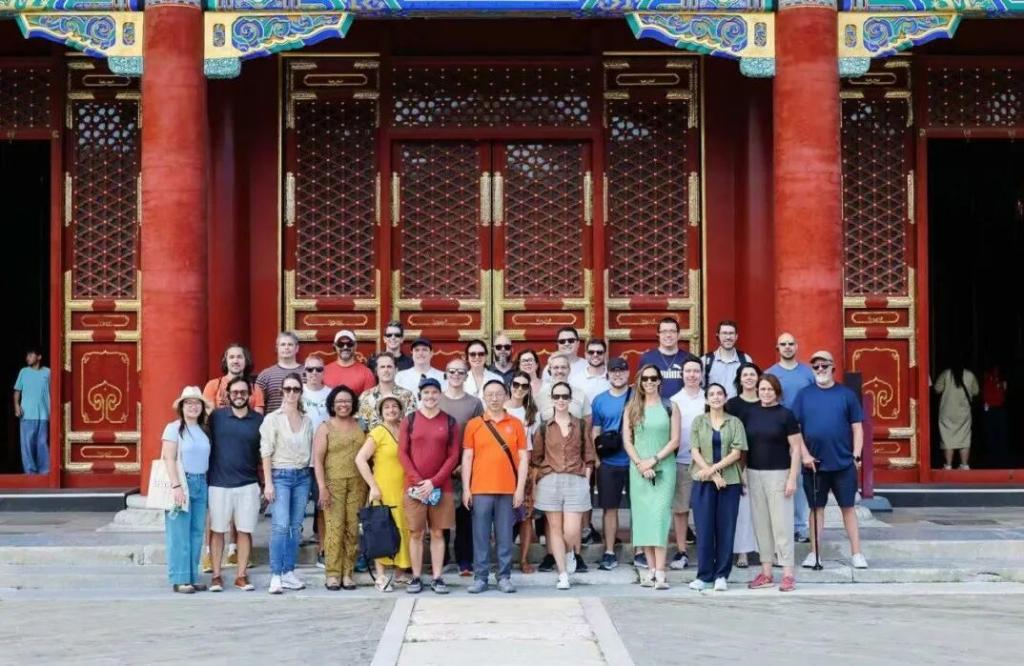
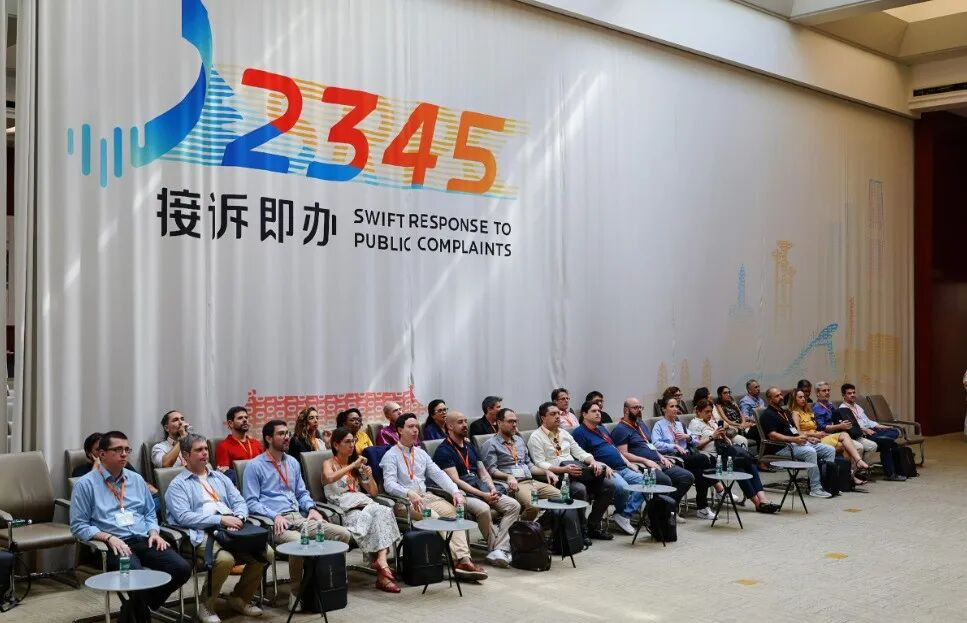
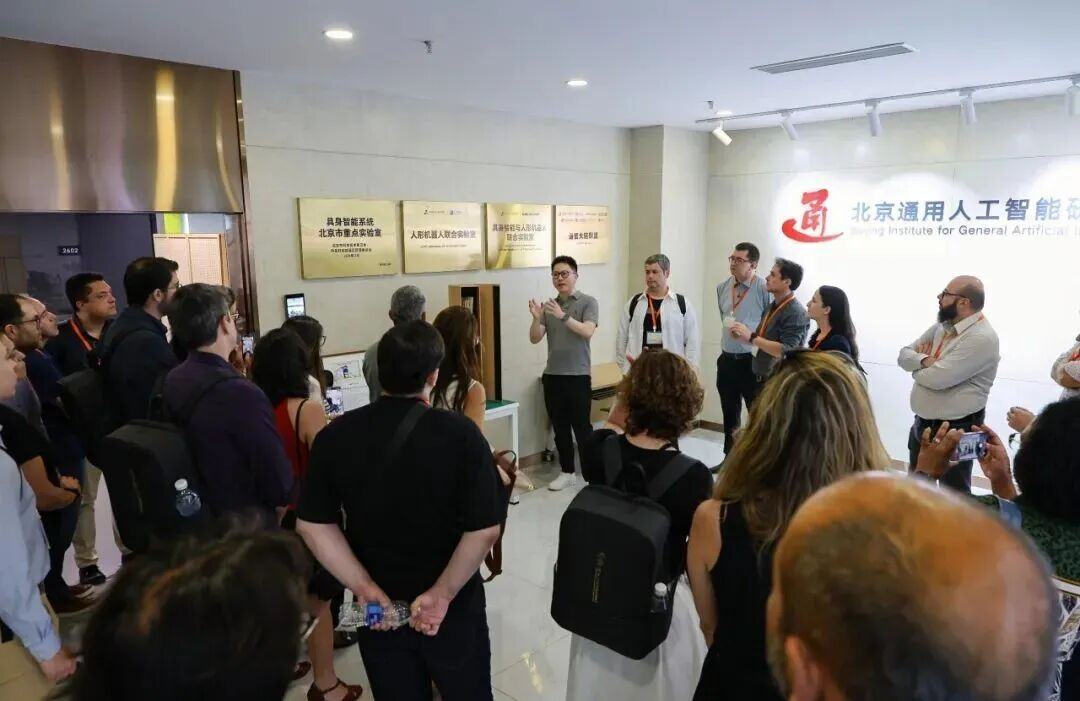
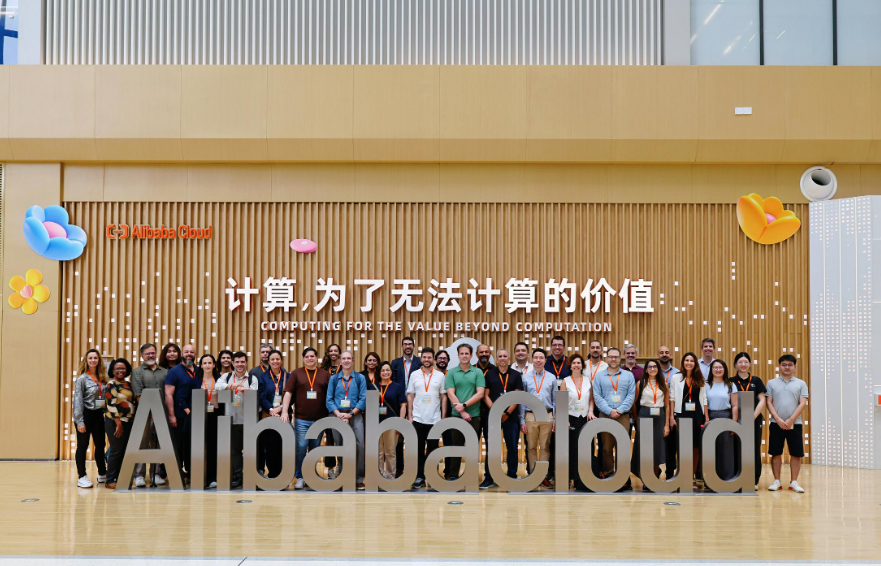
[Brazilian Participants during the Field Visits]
With the joint efforts of both sides, the training programme concluded successfully. Since 2025, with the active support and facilitation of Tsinghua SDG Institute, Tsinghua SPPM and ENAP have launched training cooperation programmes specifically designed for Brazilian government officials. To date, the cooperation has provided training to a total of 55 senior officials from 15 Brazilian government ministries and affiliated institutions. In April this year, through the continued efforts of Tsinghua SDG Institute, Tsinghua SPPM and ENAP formally signed a Memorandum of Understanding (MoU). The two sides established a long-term cooperation mechanism covering areas including academic exchange, talent development, and capacity building, providing an institutional foundation for future collaboration. The successful implementation of the 2026 training programme further demonstrated the continuously deepening partnership between the two institutions.
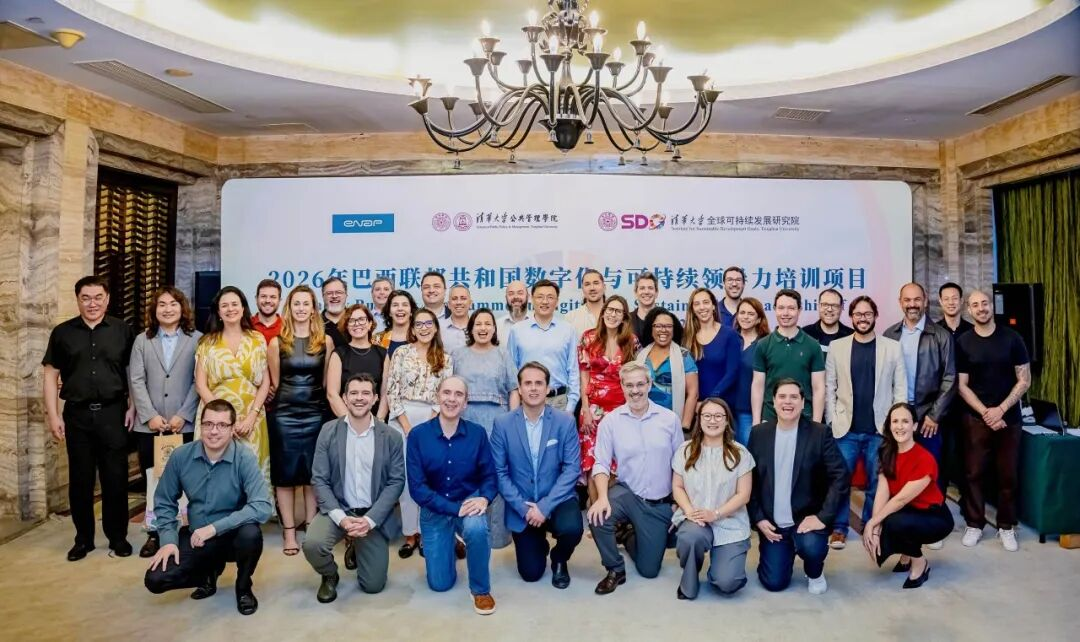
[Professor Zhu Xufeng Welcomes the Brazilian Participants]
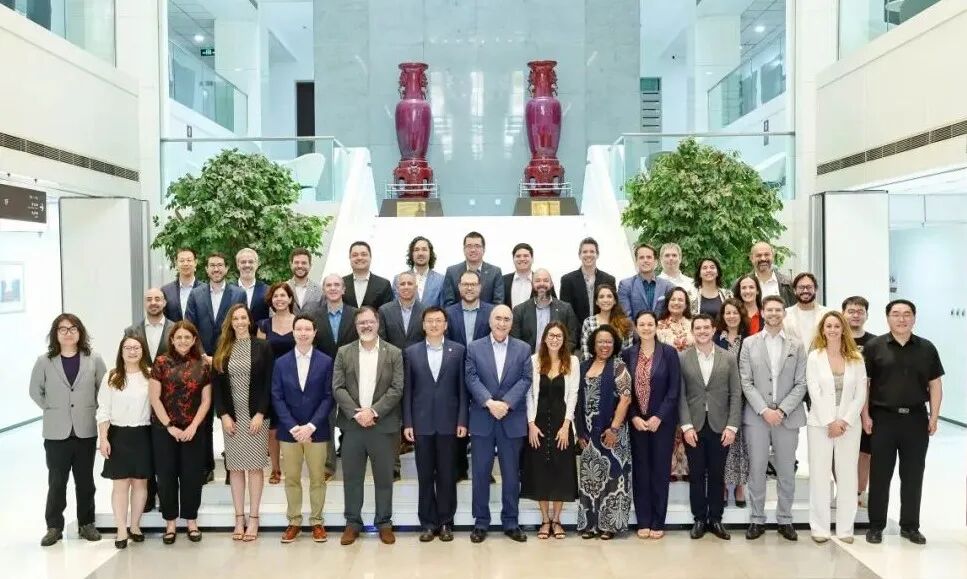
[Group Photo at the Opening Ceremony]